Hexagonal Wire Mesh Gabion Cage: Durable & Sustainable Solutions for Global Infrastructure
Understanding the Hexagonal Wire Mesh Gabion Cage: A Global Engineering Staple
At first glance, a hexagonal wire mesh gabion cage might just seem like a simple wire basket filled with stones. But honestly, its significance stretches well beyond that modest appearance. This humble engineering component plays a quiet yet vital role in infrastructure, environmental protection, and even humanitarian efforts worldwide. Understanding its design and applications unlocks insights into how modern societies tackle erosion control, stabilize terrain, and create resilient, cost-effective structures.
Introduction: The Global Relevance of Hexagonal Wire Mesh Gabion Cage
Globally, infrastructure projects and disaster mitigation efforts rely heavily on durable and adaptable materials. According to the UN Office for Disaster Risk Reduction, landslides and floods impact millions annually, causing both human and economic losses. Here’s where hexagonal wire mesh gabion cages come into play, offering a practical response to soil erosion and structural stability. They’re especially invaluable in developing countries where material efficiency and cost-effectiveness matter most.
It’s fascinating to note that the ISO 1461 standard guides the galvanization of steel wires used for gabion construction, ensuring long-term corrosion resistance—something critical in harsh environments. So, these cages don’t just solve problems; they’re standardized solutions with predictable performance.
What Exactly Is a Hexagonal Wire Mesh Gabion Cage?
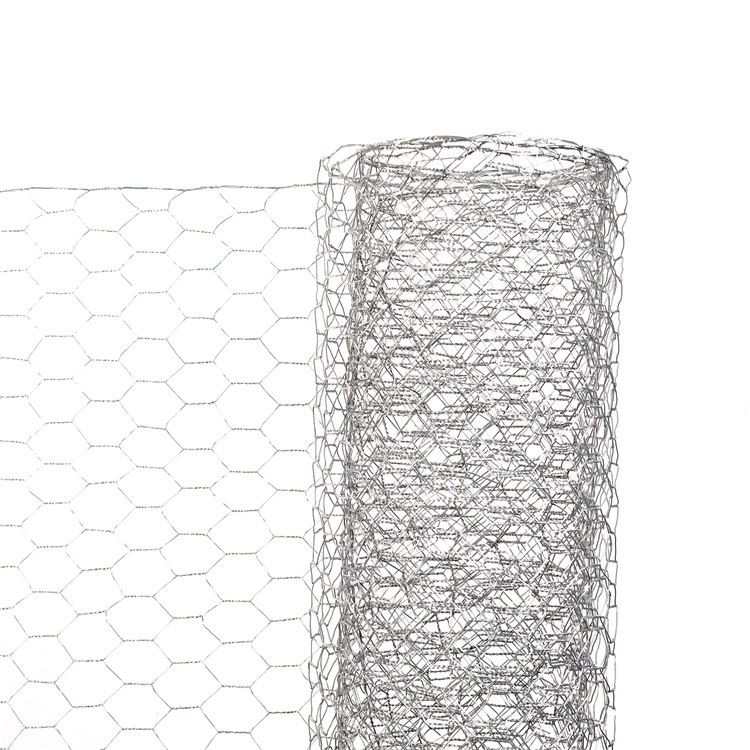
Simply put, a hexagonal wire mesh gabion cage is a box-shaped frame made from interlocking wires woven into a hexagonal pattern, filled typically with stone or gravel. This design isn’t accidental—the hexagonal mesh allows flexibility and strength, spreading stress evenly without snapping, even if the cage settles unevenly. These cages stabilize slopes, prevent riverbank erosion, and serve as retaining walls, all while blending economically into natural settings.
Modern industries—from civil engineering to environmental restoration—now depend on these cages not only because they’re practical but also because they align with sustainable construction practices, offering recyclable and long-lasting solutions.
Core Components and Key Factors of Hexagonal Wire Mesh Gabion Cages
1. Durability
The wire mesh is commonly galvanized or PVC-coated to fight corrosion and rust. This ensures gabions can last decades even when submerged or exposed to extreme conditions, making them reliable frameworks for critical infrastructure.
2. Scalability and Flexibility
Individual cages come in modular sizes but can be stacked or joined to fit complex terrain contours. This modularity is often praised for easy installation and quick deployment in projects ranging from small gardens to massive highway embankments.
3. Cost Efficiency
Compared with poured concrete or masonry walls, gabions are budget-friendly—not just for materials but for transport and labor. Stones used as fillers are often locally sourced, which reduces project overheads.
4. Environmental Compatibility
Because gabions allow water passage and support vegetation growth through their interstices, they are favored for eco-friendly erosion control. They reduce runoff speed and help stabilize soil naturally over time.
5. Structural Strength & Flexibility
The hexagonal design uniquely balances firmness with flexibility. It molds slightly under pressure rather than cracking, which is crucial in earthquake-prone or shifting soil conditions.
Typical Product Specifications
| Specification | Detail |
|---|---|
| Mesh Wire Diameter | 2.0 - 4.0 mm |
| Mesh Opening Size | 60 × 80 mm (hexagonal) |
| Coating | Galvanized or PVC-coated |
| Panel Size | 1 × 1 × 1 m (standard), customizable |
| Filling Material | Aggregates, stones, recycled concrete |
Mini takeaway: The smart design and robust coatings of hexagonal wire mesh gabion cages make them an unbeatable choice for stable, sustainable structures that won’t break the bank.
Global Use Cases and Sector Applications
From the rocky cliffs lining the Mediterranean coasts to flood-prone rural communities in Asia, hexagonal wire mesh gabion cages are trusted allies. In infrastructure, governments use them to protect roads and bridges vulnerable to erosion. NGOs appreciate them for rapid deployment during disaster relief—by creating temporary retaining walls or shelter bases.
Oddly enough, some remote industrial sites use gabions for noise barriers and environmental rehabilitation. For example, mining operations in South America employ these cages to stabilize waste rock piles safely, preventing contamination.
You’ll also find these gabions supporting highways in Europe and Africa, where their modular nature speeds installation and reduces traffic delays significantly.
Vendor Comparison: Top Gabion Cage Suppliers
| Supplier | Material Quality | Customization Options | Lead Time | Price Range |
|---|---|---|---|---|
| Five Star Metals | High-grade galvanized steel, ISO certified | Sizes, coatings, mesh diameters | 2–3 weeks | Moderate |
| EcoMesh Solutions | PVC-coated wire, eco-friendly focused | Standard sizes, color options | 4–6 weeks | Higher |
| Global Gabions Inc. | Double galvanized, military grade | Custom engineering services | 1–2 weeks | Premium |
Advantages & Long-Term Value
When weighing construction choices, you quickly realize that these cages aren’t just a one-time fix. The long lifespan—sometimes over 50 years when properly coated—brings unmatched ROI. Now, combine that with how they adapt naturally to soil settling and absorb shocks, and you’ve got long-term reliability that frankly beats rigid concrete in challenging terrains.
From a sustainability standpoint, gabions reduce cement usage, cut carbon emissions during manufacture, and encourage plant life integration. On an emotional note, communities value gabions because they’re safe, dignified solutions that don’t feel intrusive, unlike bulky concrete walls.
Emerging Trends and Innovations
It’s not surprising that the future of gabion cages is intertwined with digital advances. Smart sensors embedded in cages to monitor structural integrity and environmental conditions are in development—allowing predictive maintenance instead of reactive fixes.
On the materials side, research into biodegradable coatings and lighter, stronger alloys aims to enhance environmental benefits and reduce transport emissions. Additionally, these cages fit neatly into green infrastructure projects focusing on nature-based flood defenses, promoted increasingly by organizations like the World Bank.
Challenges and Modern Solutions
Despite their benefits, gabion cages face limitations like wire breakage under extreme strain or chemical degradation in highly acidic soils. Many engineers suggest routine inspections and innovative coatings as key solutions. In particularly tough environments, hybrid designs combining gabions with geotextiles or concrete may be necessary.
Installation can also be labor-intensive; however, prefabricated modules and on-site assembly training are helping overcome these hurdles, speeding up deployment and cutting costs.
FAQ: Frequently Asked Questions About Hexagonal Wire Mesh Gabion Cage
- Q: How long do hexagonal wire mesh gabion cages typically last outdoors?
A: When galvanized and PVC-coated properly, they can endure 30 to 50 years or more in most environments, especially if regularly inspected for corrosion. - Q: Can gabion cages be customized for different terrains?
A: Yes. They are modular and flexible, allowing builders to adjust size, shape, and filling material to fit slopes, riverbanks, or complex soil conditions. - Q: Are gabion cages environmentally friendly?
A: Absolutely. They use recyclable metal, local fill materials, and promote vegetation growth, supporting ecosystem recovery and reducing carbon footprints compared to concrete. - Q: What skills are needed for gabion cage installation?
A: Basic masonry and wire handling experience help, but vendors often provide training. Assembly involves connecting panels and filling them with aggregates, making it straightforward. - Q: How do gabion cages handle seismic activity?
A: The flexibility from the hexagonal mesh allows cages to absorb shocks and adapt to ground movements better than rigid structures, providing better seismic resistance.
Mini takeaway: These practical answers reflect the real-world concerns professionals face when choosing gabion systems, highlighting versatility and resilience.
Conclusion: A Durable Choice for a Changing World
The hexagonal wire mesh gabion cage stands out as an effective, economical, and eco-conscious choice for modern construction, erosion control, and disaster mitigation projects worldwide. Its balance of strength, flexibility, and adaptability gives engineers and communities alike a trusted solution that lasts decades.
If you want to explore the range of high-quality hexagonal wire mesh gabion cage products for your next project, I highly recommend visiting Five Star Metals’ website. Whether you’re an engineer, contractor, or NGO leader, their expertise and product variety can make a real difference.
After all, when infrastructure meets environmental care so seamlessly, it feels right — and frankly, that’s the kind of innovation that’s worth supporting.
Mini takeaway: Reliable, sustainable, and cost-effective, gabion cages are quietly shaping safer landscapes worldwide.
References:
1. UNDRR Global Risk Report 2023
2. ISO 1461: Hot Dip Galvanized Coatings
3. World Bank Green Infrastructure Insights


-
Canton Fair 2026-4 in Guangzhou,China
NewsApr.24,2027
-
High Quality Common Nails 1212 for Construction Projects
NewsApr.16,2026
-
The 139th Canton Fair
NewsApr.14,2026
-
Guide to Using Galvanised Common Round Nails for Durable Construction
NewsApr.09,2026
-
Comprehensive Guide to Flat Head Common Nails for Construction Projects
NewsApr.07,2026
-
Understanding the Versatility of the Common Nail 5 5 for Various Applications
NewsApr.04,2026