Durable Wire Mesh Panels for Chicken Cage – Sustainable & Customizable Solutions
Wire Mesh Panels for Chicken Cage: The Unsung Hero of Sustainable Poultry Farming
When you think about running a successful poultry farm, lots of factors come into play: feed quality, ventilation, husbandry practices, and get this — the humble wire mesh panels for chicken cage. This often overlooked building block isn’t just chicken wire; it’s an engineering solution with global implications. Whether you’re managing a backyard coop or large-scale poultry operations, understanding this material can influence everything from bird health to biosecurity and even sustainability.
Why Wire Mesh Panels for Chicken Cage Are a Global Game-Changer
Chicken farming is no small business—globally, more than 23 billion chickens are raised each year for eggs and meat, according to the UN Food and Agriculture Organization.1 One of the biggest challenges in poultry farming across continents — from rural Africa to industrialized Europe — is creating safe, hygienic, and cost-effective housing for birds. Wire mesh panels come in as a simple but critical solution. They provide protection from predators, allow ventilation, reduce disease spread, and enable easy maintenance — all essential factors especially in regions struggling with food security or disease outbreaks like avian flu.
But it’s not just about farming. Wire mesh cages have a secondary use in humanitarian zones where rapid poultry setup helps improve nutrition for vulnerable populations. This makes the product a small yet mighty contributor to global health and economic stability. If you stop and think about it, something so straightforward reshapes lives across continents.
What Exactly Are Wire Mesh Panels for Chicken Cages?
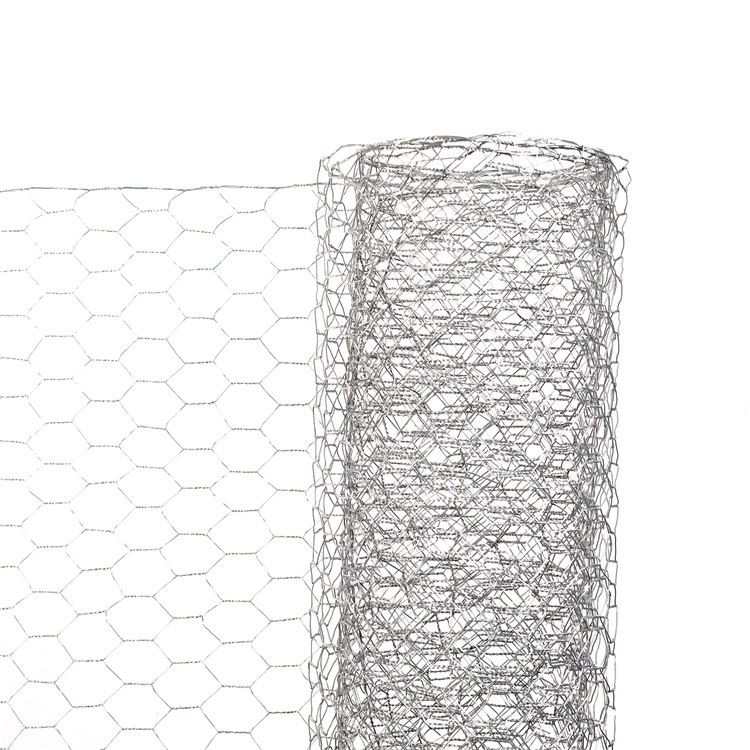
Simply put, wire mesh panels are frames with a grid of metal wiring stretched across them. Typically made from galvanized steel or stainless steel, these meshes are sold in standardized sizes with varied wire thicknesses depending on intended use. They form the walls and sometimes floors or roofs of chicken cages.
This design ensures that chickens are safely contained while allowing maximum airflow and visibility. It also keeps pests and predators at bay, which is key for modern poultry management. In many cases, these panels are modular — so farmers or aid workers can easily assemble, disassemble, and transport them, adapting to different environments and requirements.
Interestingly, these panels connect livestock husbandry to broader technological and humanitarian challenges, as they serve as basic building blocks for food production and emergency relief kits alike.
What Makes Wire Mesh Panels for Chicken Cage Work? Key Components & Features
Durability
These panels need to withstand outdoor environments—rain, sun, even barnyard acids. Galvanized coating is key here, preventing rust and extending lifespan to 5+ years or longer depending on conditions. Stainless alternatives offer even greater corrosion resistance.
Ventilation and Visibility
Proper airflow reduces ammonia buildup, a leading cause of respiratory problems in birds. The open grid design also helps farmers spot sick animals quickly, improving welfare.
Ease of Assembly & Scalability
Modularity means that as flock sizes change, farmers can expand or shrink their housing without hassle. Individual panels lock together with clips or screws, which anyone with basic tools can handle.
Cost Efficiency
Compared to solid wood or plastic enclosures, wire mesh panels drive down initial investment without compromising security or longevity.
Animal Welfare and Biosecurity
The mesh size is carefully designed to prevent escape but also block rodents or wild birds that might bring diseases. This is a surprisingly important detail—broken chains in biosecurity can cause costly outbreaks.
Real-World Applications Around the Globe
- Sub-Saharan Africa: NGOs like Heifer International use wire mesh panels to rapidly build chicken coops for smallholder farms, improving household nutrition and income.
- Southeast Asia: Commercial poultry farms rely on these panels to comply with ISO standards for biosecurity and animal welfare.
- Europe & North America: Urban backyard farmers adopt wire mesh cages to protect their flocks from foxes and raccoons, while also meeting municipal safety codes.
- Post-Disaster Zones: Emergency relief kits include wire mesh cages to help displaced families restart poultry production quickly.
Oddly enough, the same product that keeps your coop fox-proof may also be the very element helping a remote village build resilience after a flood. It feels like a small scale win for a huge global puzzle.
Spec Sheet: Typical Wire Mesh Panel for Chicken Cage
| Attribute | Description | Typical Values |
|---|---|---|
| Material | Galvanized Steel Wire | DIN EN ISO 1461 Standard |
| Mesh Size | Grid opening (square) | 25 mm x 25 mm |
| Wire Diameter | Thickness of wire used | 1.6 to 2.5 mm |
| Panel Size | Standard panel dimensions | 1.2 m x 0.6 m |
| Weight | Per panel approx. | 3.5 kg |
| Coating | Anti-corrosion treatment | Hot-dip galvanizing |
Choosing Your Vendor: Comparative Overview
| Vendor | Material Quality | Customization Options | Lead Times | Price Range |
|---|---|---|---|---|
| Five Star Metals | High-grade galvanized steel (ISO 1461) | Extensive (sizes, coatings) | 2-3 weeks (standard) | $$ |
| PoultryTech Solutions | Standard galvanized | Limited | 3-4 weeks | $ |
| AgroWire Industry | Premium stainless steel | Moderate | 4 weeks | $$$ |
Long-Term Benefits: Why Investing in Quality Wire Mesh Panels Pays Off
From a practical standpoint, choosing durable wire mesh panels translates to fewer replacements and maintenance headaches—both saving money and time. Beyond economics, it’s about trust: animals are safer, healthier, and farmers experience less stress. The panels contribute to better ventilation and cleanliness, key in disease prevention — which (frankly) protects livelihoods.
There's also a sustainability narrative here: long-lasting panels reduce waste, and using recyclable metals aligns poultry housing with eco-conscious farming. Plus, socially speaking, sturdy cages uphold animal welfare standards, something increasingly valued by consumers and regulators.
What’s Next? Trends & Innovations on the Horizon
Manufacturers are tinkering with coatings that resist dirt and bacteria buildup—imagine cages self-cleaning or delaying corrosion further. Some ventures are testing eco-friendly biopolymers as coatings to reduce environmental impact. Digitally, I’ve seen prototypes integrating sensors onto wire panels to monitor bird activity and health remotely. It feels like poultry housing is entering a smart era.
Automation aside, global policies increasingly emphasize animal welfare and sustainable materials, nudging manufacturers to innovate responsibly. It’s an exciting, if niche, tech frontier.
Challenges in Using Wire Mesh Panels and How to Address Them
Of course, there’s no perfect solution. Standard mesh sizes may not fit all farming scenarios, and cheaper panels sometimes rust prematurely or have uneven wire tension, affecting durability. Logistics can also be tricky in remote areas where replacement or customization is limited.
Experts recommend investing a little more upfront for certified quality products and keeping an inventory of replacement parts. For modularity challenges, some firms now offer on-demand custom panel cutting, which is useful. And yes, occasional training on installation and maintenance prevents many common failures.
FAQ: All You Wanted to Know About Wire Mesh Panels for Chicken Cage
- Q1: What size mesh is best for chicken cages?
- A typical mesh size is 25 mm by 25 mm, small enough to keep predators out but large enough for ventilation. Smaller mesh may increase cost and reduce airflow, so balance is key.
- Q2: How long do galvanized wire mesh panels last outdoors?
- With hot-dip galvanizing per ISO 1461 standards, panels usually last 5-10 years depending on weather and environment.
- Q3: Are wire mesh panels suitable for mobile or temporary chicken coops?
- Absolutely, their lightweight modular nature allows easy assembly and transport, which is great for seasonal or emergency setups.
- Q4: Can I customize the size and thickness of these wire mesh panels?
- Many suppliers, including wire mesh panels for chicken cage manufacturers, provide customization options based on your needs.
In Closing: Why Wire Mesh Panels Matter More Than You Think
In the grand scheme, wire mesh panels for chicken cages might seem like small players. But they’re quietly at the heart of poultry welfare, sustainable farming, and even global food security. From a backyard farmer to aid organizations feeding post-disaster communities, these panels deliver practicality, safety, and long-lasting value.
If you’re interested in exploring robust and customizable wire mesh panels for your poultry needs, I highly recommend checking out wire mesh panels for chicken cage. Because sometimes, the smallest piece of the puzzle shapes the entire picture.
References:
- FAO. “Poultry production,” Food and Agriculture Organization of the United Nations. 2023. https://www.fao.org/poultry-production/en/
- ISO 1461: “Hot dip galvanized coatings on fabricated iron and steel articles — Specifications and test methods,” International Organization for Standardization, 2009.
- World Bank, “Agriculture and Food Security Overview,” 2023. https://www.worldbank.org/en/topic/agriculture/overview


-
Canton Fair 2026-4 in Guangzhou,China
NewsApr.24,2027
-
High Quality Common Nails 1212 for Construction Projects
NewsApr.16,2026
-
The 139th Canton Fair
NewsApr.14,2026
-
Guide to Using Galvanised Common Round Nails for Durable Construction
NewsApr.09,2026
-
Comprehensive Guide to Flat Head Common Nails for Construction Projects
NewsApr.07,2026
-
Understanding the Versatility of the Common Nail 5 5 for Various Applications
NewsApr.04,2026