Durable Wire Mesh for Chicken — Enhance Your Poultry Safety & Efficiency
Wire Mesh for Chicken: A Global Essential for Poultry Management
If you’ve ever peeked into a chicken coop, chances are you’ve seen wire mesh at work—even if you didn’t realize its importance. Wire mesh for chicken isn’t just a random choice of fencing; it’s a subtle but critical element shaping poultry farming, biosecurity, and even disaster relief efforts around the globe. From small backyard henhouses to sprawling commercial farms, understanding this material's role offers long-term benefits like enhanced bird safety, lower maintenance costs, and better productivity—things that really matter whether you’re a farmer in Iowa or a relief worker in Ethiopia.
Why Wire Mesh for Chicken Matters Globally
Poultry farming is massive—worldwide, it's one of the biggest sources of affordable protein. The United Nations FAO estimates over 50 billion chickens raised annually (1), making containment and protection a significant challenge. Wire mesh addresses core problems like predator intrusion, disease containment, and environmental control. For instance, rough rural areas with predators, or humid tropical climates prone to disease spread, need a solution that is both durable and breathable. Oddly enough, the humble wire mesh quietly answers many of these challenges.
But quality and design vary wildly. Poorly chosen materials can hurt productivity, cause leakage, or even injure birds. As global demand for poultry grows, so does the need for reliable, scalable, and cost-effective solutions, hence the growing spotlight on specialized wire mesh types.
What Exactly is Wire Mesh for Chicken?
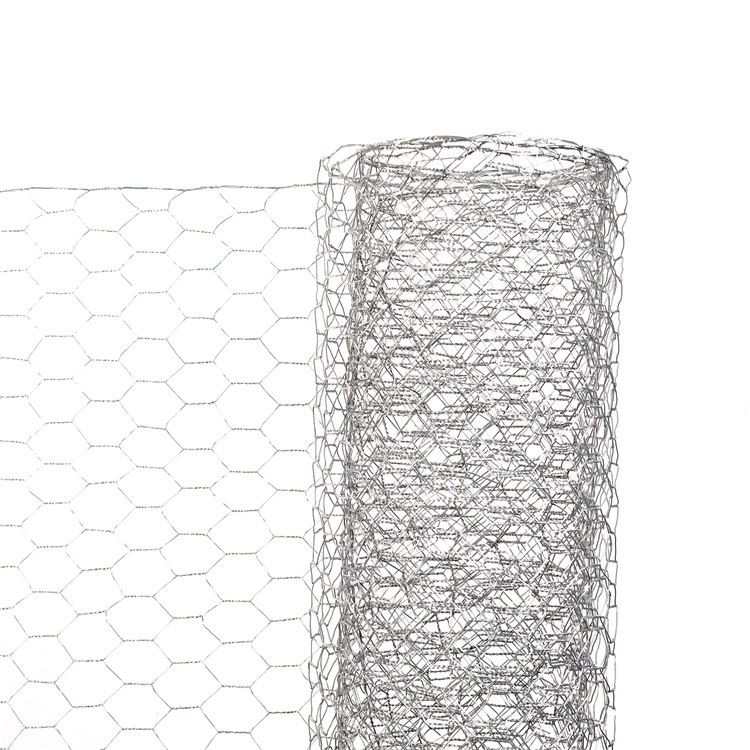
In the simplest terms, wire mesh for chicken is a grid-like sheet made from metal wires, typically galvanized steel, woven or welded to form a cage or barrier. Its holes—often hexagonal or square—are sized specifically to keep chickens safe inside while excluding predators like foxes, raccoons, and hawks. Sometimes called chicken wire, poultry netting, or hardware cloth, these meshes differ in wire gauge, hole size, and coating based on the intended use.
Its industrial and humanitarian relevance is harder to overstate. Modern poultry farms depend on it for bird containment and hygiene control, while NGOs use it in temporary shelters and post-disaster rebuilding—think makeshift animal pens in refugee camps. This simple mesh is part of a bigger story about sustainable food security and crisis response.
Core Considerations When Choosing Wire Mesh for Chicken
Durability and Material Quality
Since chickens can be surprisingly destructive, and predators cunning, the mesh’s strength is key. Galvanized steel offers rust resistance and longevity, crucial in wet or humid environments. Some advanced options include stainless steel or PVC-coated wire for extra durability and weather-proofing. In practical terms: choose a mesh that lasts years, not weeks.
Mesh Size and Wire Gauge
The hole size varies—typical chicken wire uses 1-inch hex mesh, while hardware cloth can have as small as 1/4 inch squares. Smaller holes block predators and prevent chicks from escaping but increase cost and reduce airflow. Profoundly, it’s about balancing security with ventilation because air and light affect bird health deeply.
Cost Efficiency
Costs range depending on material and mesh size. While cheaper options may lure small-scale users, they often need replacement sooner, which is neither budget-friendly nor sustainable in the long run. It’s worth investing upfront in quality—this pays off in saved time and fewer losses.
Ease of Installation and Scalability
Wire mesh comes in rolls or sheets, designed for easy fastening to frames or posts. Modular designs help poultry farmers expand or adjust their space effortlessly, matching seasonal or business needs. This aspect is surprisingly critical when managing larger flocks.
Safety and Animal Welfare
The ideal wire mesh minimizes injury risk by avoiding sharp edges and ensuring strong, smooth connections. For anyone who loves their chickens (and let’s face it, most farmers do), this is an emotional consideration just as much as practical.
Mini Takeaway:
Choosing the right wire mesh is really about matching durability, cost, and animal welfare to your environment and usage. It’s not one-size-fits-all; understanding these core factors pays dividends in worry-free poultry management.
Global Applications of Wire Mesh in Poultry and Beyond
The wire mesh’s usage extends far beyond your average farmyard. In North America and Europe, commercial poultry operations rely on heavy-duty welded meshes to ensure biosecurity—critical to preventing avian diseases that can impact human health. Meanwhile, in Asia and Africa, lightweight but durable wire meshes facilitate backyard farming, crucial for food security in rural communities.
Relief organizations have employed wire mesh in refugee camps, enabling safe housing for poultry that provide vital nutrition and income. In disaster-hit areas—such as after floods or earthquakes—temporary pens built from modular wire mesh allow displaced people a degree of self-sufficiency quickly.
Additionally, regions with harsh climates showcase innovation in wire mesh design, incorporating UV-resistant coatings or combining mesh with insulated fencing for temperature control. It’s a fascinating convergence of local needs with global technology.
Mini Takeaway:
Wire mesh for chicken is more than a product; it’s an adaptable tool applied worldwide across farming, humanitarian aid, and environmental conditions to bolster food security and livelihoods.
Typical Specifications for Wire Mesh for Chicken
| Specification | Details |
|---|---|
| Material | Galvanized Steel / Stainless Steel / PVC Coated |
| Mesh Type | Hexagonal (Chicken Wire) / Square (Hardware Cloth) |
| Wire Gauge | 19 to 23 gauge (thickness approx. 0.5mm - 1.0mm) |
| Mesh Opening Size | 1/4” to 1” (6-25 mm) |
| Roll Dimensions | 25m length x 1m width (varies by vendor) |
| Coating | Hot-Dip Galvanized / Electro Galvanized / PVC Coating |
Vendor Comparison: Popular Wire Mesh for Chicken Providers
| Vendor | Material Quality | Price Range | Availability | Customization Options |
|---|---|---|---|---|
| Five Star Metals | High-grade galvanized steel, optional PVC coating | $$$ | Global, immediate shipping | Custom wire gauge, roll size, coating |
| ABC Wire Co. | Standard galvanized steel | $ | Regional (North America) | Limited options |
| GreenFarm Supplies | Eco-friendly coated wire, recycled material base | $$ | International | Color coating & recycled fibers |
Advantages and Long-Term Value of Quality Wire Mesh
Here’s where it gets interesting. A solid wire mesh isn’t just a fence or a barrier—it’s an assurance. An assurance of biosecurity, which is invaluable when preventing costly poultry diseases. It’s cost-effective over time because it resists corrosion and damage, reducing replacement cycles. The emotional side? Farmers feel less stress knowing their flock is safer. Plus, humane designs prevent injury, promoting animal welfare—something growing consumer demand pushes hard.
Sustainability comes in too: longer-lasting meshes mean less metal waste and lower carbon footprints related to production and shipping. In contexts like developing countries, it supports community resilience and self-reliance, reinforcing dignity through safe food sources.
Emerging Trends and Innovations to Watch
Wire mesh tech moves, if slowly, with trends like:
- Eco-friendly coatings: Non-toxic paints and bioplastics replace PVC for safer disposal.
- Smart mesh systems: Embedded sensors track temperature and breakage, giving farmers real-time alerts.
- Automation-friendly designs: Mesh products tailored to robotic farm equipment for easy opening and maintenance.
- Recycled materials: Increasing use of recycled steel or composites with similar strength.
In real terms, these innovations suggest that wire mesh for chicken will keep adapting to meet the dual demands of sustainability and scalability.
Common Challenges and How to Solve Them
Not everything is smooth. For all its advantages, wire mesh can pose problems like:
- Rusting in high-moisture areas which weakens fences.
- Injury risks if edges aren’t handled properly.
- Costs for premium coatings can be prohibitive.
Experts recommend a few solutions—correctly sizing mesh for your environment, routine inspections, careful edge finishing, and balancing cost with quality rather than just picking the cheapest. Also, pilot testing new materials and coatings in harsh conditions can save headaches down the line.
FAQs: Everything You Wonder About Wire Mesh for Chicken
- What size mesh is best for keeping small chicks safe?
- Typically, 1/2 inch or smaller mesh openings are ideal, as they prevent chicks from slipping through and protect them from predators. Using galvanized or PVC-coated wire adds durability especially if weather conditions are tough.
- How long does galvanized wire mesh last outdoors?
- With hot-dip galvanization, you can expect 10-15 years of protection in typical conditions. However, in coastal or highly humid areas, lifespan might be shorter unless PVC coated or stainless steel options are used.
- Can wire mesh be recycled after use?
- Yes, steel wire mesh is fully recyclable—another reason why investing in quality material means not just durability but environmental responsibility.
- Is wire mesh for chicken heavy and difficult to install?
- Most wire mesh rolls are lightweight enough for easy handling by one or two people. Installation is straightforward using staples, wire ties, or clips on a wooden or metal frame. Modular, pre-cut panels also simplify the process.
- Where can I buy customizable wire mesh for chicken?
- Specialist suppliers like Five Star Metals offer customization by wire gauge, coating type, and roll size to meet specific operational needs.
In Conclusion: Why Wire Mesh for Chicken is More Than Just a Fence
We tend to overlook the small things that quietly make huge impacts. Wire mesh for chicken is one such unsung hero—building fences that protect livelihoods, support nutrition security, and even aid humanitarian causes. By choosing the right mesh, paying attention to durability, and staying aware of innovations, users can secure their flocks, reduce costs, and contribute to sustainability goals.
Want to upgrade your poultry infrastructure or find the best wire mesh fit for your farm or project? Visit Five Star Metals and explore their range — because sometimes, the right material makes all the difference.
References & Further Reading


-
Canton Fair 2026-4 in Guangzhou,China
NewsApr.24,2027
-
High Quality Common Nails 1212 for Construction Projects
NewsApr.16,2026
-
The 139th Canton Fair
NewsApr.14,2026
-
Guide to Using Galvanised Common Round Nails for Durable Construction
NewsApr.09,2026
-
Comprehensive Guide to Flat Head Common Nails for Construction Projects
NewsApr.07,2026
-
Understanding the Versatility of the Common Nail 5 5 for Various Applications
NewsApr.04,2026