Durable and Sustainable Hexagonal Galvanized Chicken Wire Mesh for Global Applications
What Is Hexagonal Galvanized Chicken Wire Mesh and Why It Matters Globally
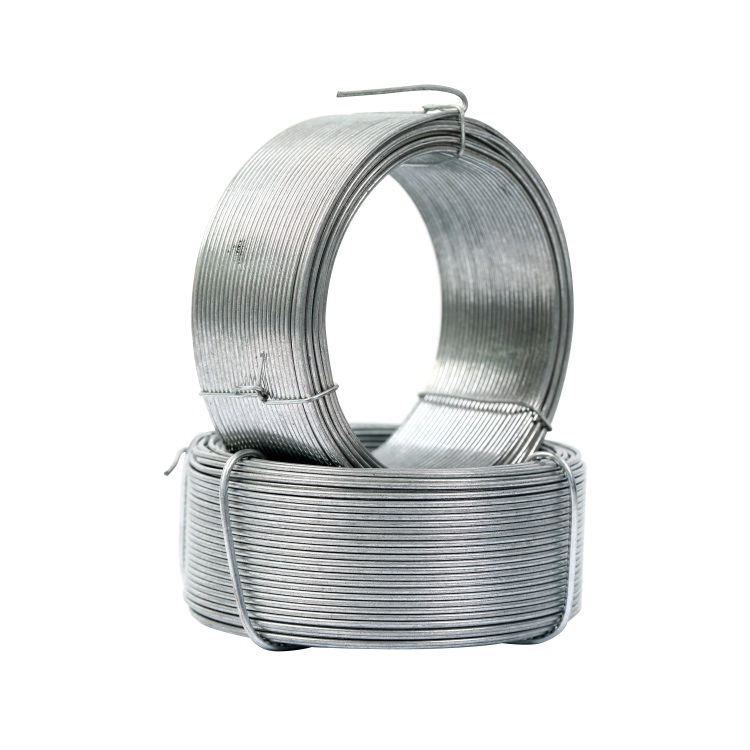
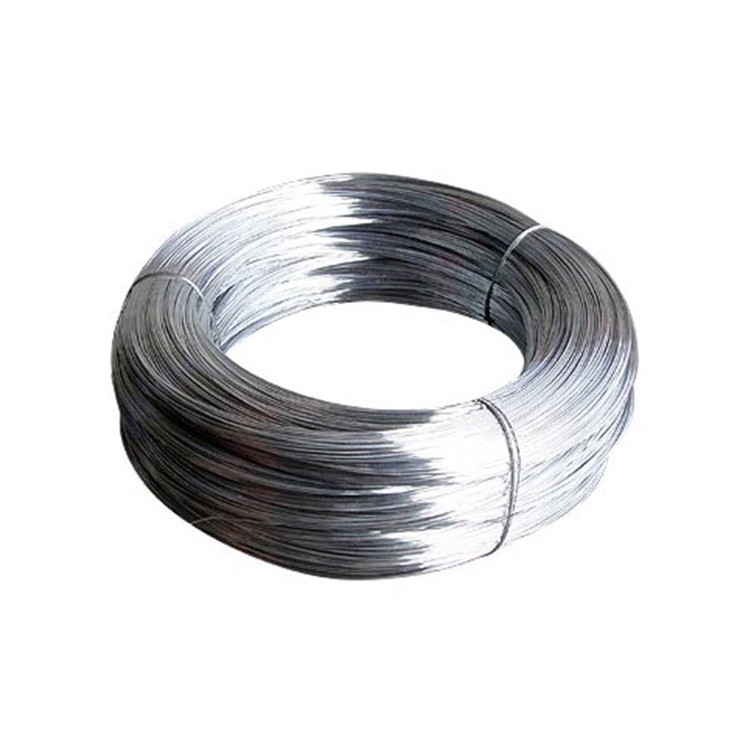
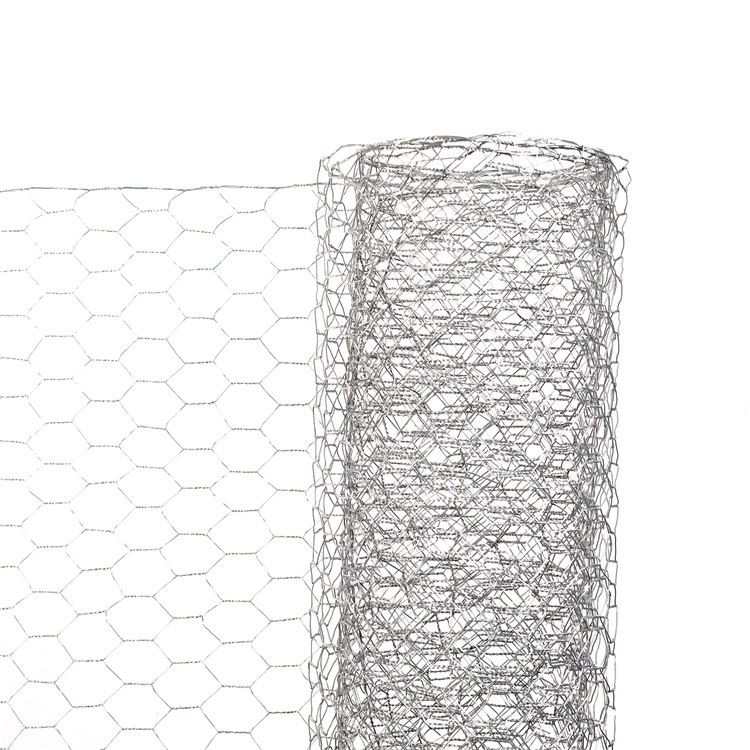
If you’ve ever paused to wonder about the humble wire mesh often seen fencing gardens or poultry pens, there’s more to it than meets the eye. Hexagonal galvanized chicken wire mesh, essentially a twisted hex-pattern steel mesh coated in zinc, plays a crucial role in everything from agriculture and construction to humanitarian aid worldwide. The zinc coating means it resists rust and corrosion, extending its life significantly — a boon for projects in harsh climates or locations where maintenance is tricky.
Understanding hexagonal galvanized chicken wire mesh is important because it’s a low-cost, reliable material that addresses several global challenges, including sustainable farming, disaster response containment, and erosion control. By appreciating its properties and applications, industries and NGOs alike can deploy it smartly, ensuring better infrastructure and safer environments. It’s a small piece of metalwork with surprisingly broad impact.
Seeing the Bigger Picture: The Global Context of Hexagonal Galvanized Chicken Wire Mesh
Globally, steel production topped around 1.9 billion metric tons in 2022, according to World Steel Association — and much of this metal eventually finds its way into wire products. Among these, hexagonal galvanized mesh stands out due to its simplicity yet essential functions. In agriculture alone, UN FAO estimates that about 40% of global food production depends on securing livestock and crops, and that’s where this wire often comes in.
More than just farms, hexagonal galvanized chicken wire mesh addresses urgent humanitarian challenges. Floods, fires, and conflict zones demand quick deployment of containment and protection structures — think fencing or shelter support — where this mesh’s durability and light weight come into play. The challenge? Balancing material strength, cost efficiency, and environmental impact, especially in vulnerable regions.
What Exactly is Hexagonal Galvanized Chicken Wire Mesh?
Put simply, it’s a woven wire mesh with a distinctive hexagonal pattern, usually made from low carbon steel wire that has been galvanized through a zinc coating process to withstand rust and weathering. The hex pattern provides flexibility and strength, kind of like a natural honeycomb. This helps in absorbing shocks and adapting to uneven terrains.
In industries, it’s not just 'chicken wire.' Modern use spans fencing for livestock, cage construction, garden protection, concrete reinforcement, and soil erosion countermeasures. Humanitarian groups also value it for fast assembly fencing and containment in disaster relief setups.
Key Features at a Glance
- Hexagonal Pattern: Offers better load distribution than square wire mesh.
- Galvanization: Zinc coating protects the steel, extending lifespan.
- Wire Gauge and Mesh Size: Can be customized depending on application.
- Corrosion Resistance: Essential for outdoor and humid environments.
- Lightweight and Flexible: Enables easy transport and installation.
Core Components Driving Performance
Durability: Built to Last
Thanks to the galvanization process, the coating creates a barrier against corrosive elements. It’s not just the zinc layer that protects, but galvanization also sacrificially corrodes, preserving the steel underneath. In practice, this means fences or cages last years longer, even in salty coastal or rainy areas.
Customization and Scalability
Wire diameter and mesh size can be increased or decreased depending on user needs. For example, smaller mesh sizes keep out even tiny pests, while bigger ones allow airflow and light penetration. This scalability makes it an ideal choice for bespoke projects, from small backyard installations to large-scale agricultural setups.
Cost Efficiency: A Frugal Favorite
In real terms, compared to solid steel panels or plastic fencing, this mesh strikes a sweet spot between durability and cost. Manufacturers and users alike find they get reasonable longevity without wasting resources — smart local sourcing also cuts shipping costs. Many engineers say this is a key asset for sustainable development efforts.
Environmental Impact and Recyclability
Steel’s recyclability is well-documented, and galvanized chicken wire is no exception. At the end of its use, wires can be melted and repurposed without significant loss of quality. Minimizing landfill impact is critical for long-term ecological balance, especially in agricultural production zones.
Global Applications: From Fields to Frontlines
Let’s look at how versatile this mesh is around the globe:
- Africa and Asia: Protecting smallholder farms, the wire fences defend poultry and crops against predators and theft.
- Europe and North America: Often used to reinforce concrete and for bird control in sensitive heritage sites.
- Disaster Relief Operations: NGOs use it for temporary fencing and debris containment in flood or earthquake zones.
- Industrial Zones: Applied to cage machinery, ventilation screens, and erosion barriers.
For example, a humanitarian NGO working in the Philippines after typhoons recently used hexagonal galvanized chicken wire mesh for quick fencing repairs, cutting project costs by 30% and speeding setup time.
Why Invest in Hexagonal Galvanized Chicken Wire Mesh? Advantages and Long-Term Value
The material’s combination of affordability, robustness, and environmental friendliness leads to real benefits including:
- Longevity: Ensures infrastructure doesn’t need frequent replacement.
- Sustainability: Recyclable steel mesh reduces waste.
- Safety and Security: Durable fencing helps protect valuable assets and livestock.
- Social Impact: Low-cost materials enable more communities to build better facilities.
On a more human note, many farmers say it provides peace of mind knowing their animals and crops are shielded. For aid workers, the quick assembly often means faster community recovery with dignity preserved.
Looking Ahead: Future Trends in Hexagonal Galvanized Chicken Wire Mesh
The future of this wire mesh feels intertwined with sustainability and innovation. We’re seeing:
- Eco-Friendly Coatings: Alternatives to traditional galvanization to reduce environmental impacts.
- Integration with Smart Tech: Sensors embedded for detecting strain or damage in fencing, aiding maintenance.
- Automated Production: More consistent mesh size and wire strength with robotics enhance quality control.
Oddly enough, even with new materials rising, the simple, proven hexagonal design remains at the heart of most innovations, proving the old adage: if it’s not broken, don’t fix it.
Common Challenges and How Experts Tackle Them
Even with its many perks, the wire mesh isn’t without challenges:
- Corrosion in Aggressive Environments: Solutions include thicker galvanization or hybrid coatings.
- Mechanical Damage: Reinforced mesh or double-layer fences for high-stress zones.
- Supply Chain and Quality Variability: Selecting reputable vendors and certifications like ISO 9001 helps ensure consistency.
Some companies are now experimenting with combining hexagonal mesh with polymer coatings for tougher wear resistance without adding too much weight.
Product Specification Table
| Specification | Details |
|---|---|
| Wire Diameter | 0.8 mm to 2.5 mm |
| Mesh Size (Hexagon) | 12 mm to 50 mm |
| Coating | Hot-dip galvanization (min 60 g/m² Zn) |
| Roll Width | 0.5 m to 2 m |
| Roll Length | 10 m to 50 m |
| Tensile Strength | 380 – 500 MPa |
Vendor Comparison Table
| Vendor | Quality Certifications | Custom Sizes Available | Typical Lead Time | Regions Served |
|---|---|---|---|---|
| Five Star Metals | ISO 9001, CE | Yes | 2-4 weeks | Global, incl. Asia, Africa, Europe |
| SteelTech Supplies | ISO 14001 | Limited | 3-5 weeks | North America, Europe |
| GreenWire Corp. | CE, REACH Compliance | Yes | 1-3 weeks | Europe, Asia |
FAQs: Your Questions on Hexagonal Galvanized Chicken Wire Mesh Answered
1. How long does galvanized chicken wire mesh typically last outdoors?
Depending on wire gauge, coating thickness, and exposure conditions, galvanized chicken wire mesh can last anywhere between 5 to 15 years outdoors. Harsh environments, such as coastal areas with salt spray, may reduce lifespan, but proper galvanization extends durability significantly compared to uncoated alternatives.
2. Can I customize the mesh size for specific agricultural needs?
Absolutely. Vendors usually offer a range of mesh sizes and wire diameters. Smaller hexagon meshes keep out smaller pests, while larger meshes improve airflow and minimize weight. It’s best to communicate your needs to suppliers who can tailor the product to your precise application.
3. Is this wire mesh suitable for use in disaster relief fencing?
Yes, its lightweight and easy-to-install nature make it ideal for quick deployment in disaster zones. Its corrosion resistance means it can withstand varied weather while providing security and containment until permanent structures are feasible.
4. How environmentally friendly is hexagonal galvanized chicken wire mesh?
Being steel-based, the mesh is highly recyclable at end-of-life. Galvanization uses zinc, which can be managed to minimize environmental impact. Compared to plastics or composite materials, steel meshes offer notable sustainability advantages.
5. Where can I learn more or source quality hexagonal galvanized chicken wire mesh?
Reputable providers like Five Star Metals offer a variety of galvanized mesh products globally. Checking for quality certifications and reviews is recommended before purchase.
In Conclusion: The Lasting Value of Hexagonal Galvanized Chicken Wire Mesh
From farms in sub-Saharan Africa to construction sites in Eastern Europe, the hexagonal galvanized chicken wire mesh quietly fulfills critical needs. Its blend of affordability, durability, and environmental benefit shows how small industrial innovations ripple into large-scale social impact. If you’re in an industry that requires reliable fencing or containment solutions, understanding and sourcing quality galvanized hex mesh is a smart move.
Ready to explore the possibilities? Visit us at Five Star Metals for custom solutions, expert advice, and competitive pricing.
Mini takeaway: Quality hexagonal galvanized chicken wire mesh isn’t just old-school fencing. It’s a versatile, eco-friendly, and globally relevant material shaping modern agriculture, construction, and relief efforts. Keeping an eye on new trends and vendors can help you make better, longer-lasting choices for your projects.
References:


-
Canton Fair 2026-4 in Guangzhou,China
NewsApr.24,2027
-
High Quality Common Nails 1212 for Construction Projects
NewsApr.16,2026
-
The 139th Canton Fair
NewsApr.14,2026
-
Guide to Using Galvanised Common Round Nails for Durable Construction
NewsApr.09,2026
-
Comprehensive Guide to Flat Head Common Nails for Construction Projects
NewsApr.07,2026
-
Understanding the Versatility of the Common Nail 5 5 for Various Applications
NewsApr.04,2026