Chicken Wire Fence 300 Meters – Durable, Cost-Effective Fencing Solutions
The Essential Guide to Chicken Wire Fence 300 Meters: What You Need to Know
If you’ve ever needed to secure a large area for farming, gardening, or even a small construction project, you probably already know the value of a reliable fence. But when it comes to fencing solutions measured in lengths like 300 meters, chicken wire fences stand out for a simple reason: they’re versatile, cost-effective, and surprisingly robust for so many practical uses. Globally, this fencing option remains a backbone for agricultural communities, wildlife management, and even humanitarian relief operations. Understanding how a chicken wire fence 300 meters fits into these applications isn’t just trivia — it’s key knowledge for anyone involved in land management or temporary security setups.
Simply put, the topic matters because fences literally define, protect, and organize lands and resources, which is why on a global scale, fencing materials like chicken wire experience steady demand, especially in phases of rapid urbanization or rural development.
Why a Chicken Wire Fence of 300 Meters Matters Globally
Look around, and you’ll find that fenced boundaries aren’t just about keeping critters in or out. According to data from the Food and Agriculture Organization (FAO), over 70% of the world’s rural population depends directly on small-scale farming — and that means fencing costs and availability can impact thousands of livelihoods.
Chicken wire fences, especially those sold in rolls measuring 300 meters, allow a perfect balance between coverage area and ease of deployment. They help farmers contain chickens, control grazing animals, or even demarcate property lines cheaply and quickly.
Yet, challenges persist. Rapid urban growth zones and emergency zones (think post-disaster) often struggle with fencing shortages or expensive materials. The chicken wire fence 300 meters fills that gap with ready availability, manageable costs, and user-friendliness, ensuring areas get protected faster and smarter.
What Exactly Is a Chicken Wire Fence 300 Meters?
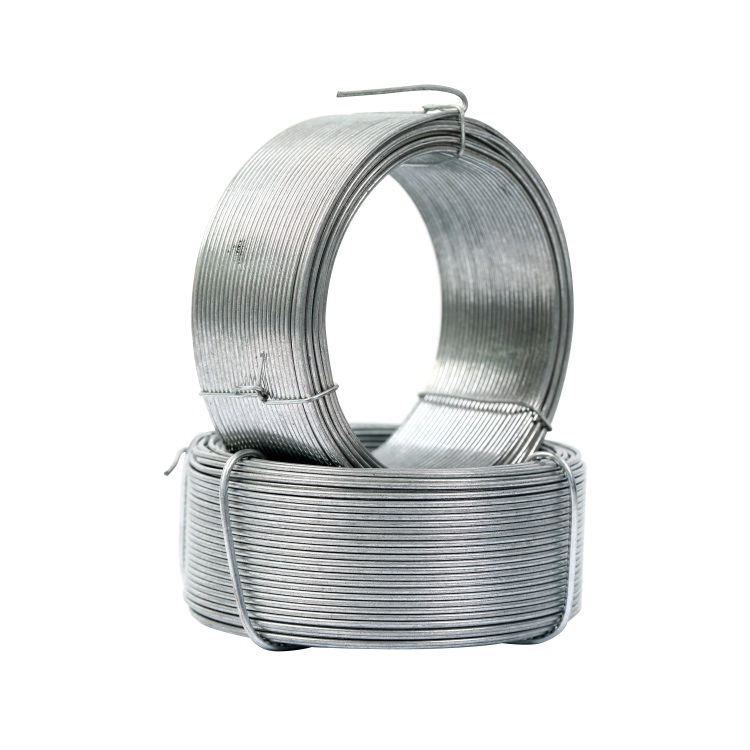
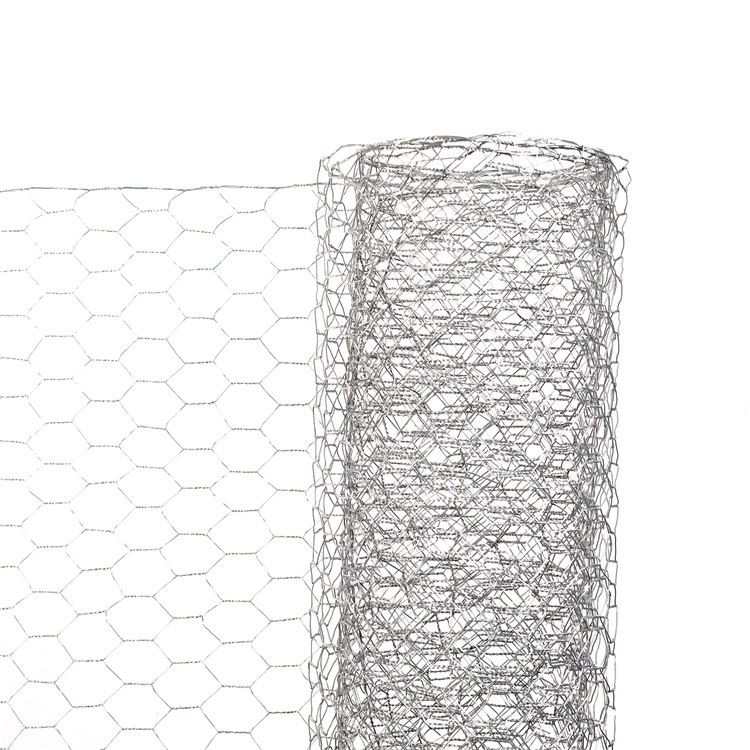
At its core, chicken wire — also called poultry netting — is a mesh made from galvanized steel wires twisted into hexagonal gaps. The 300-meter specification simply refers to the length of one continuous roll, which can be cut or shaped as needed.
This fencing type isn’t just for chicken coops anymore. It's common in industry, wildlife conservation, horticulture, and even humanitarian aid, where rapid fence deployment is crucial. Modern versions are often coated to resist rust and can come in various gauges and mesh sizes to suit different needs.
Core Components and Key Features
Durability
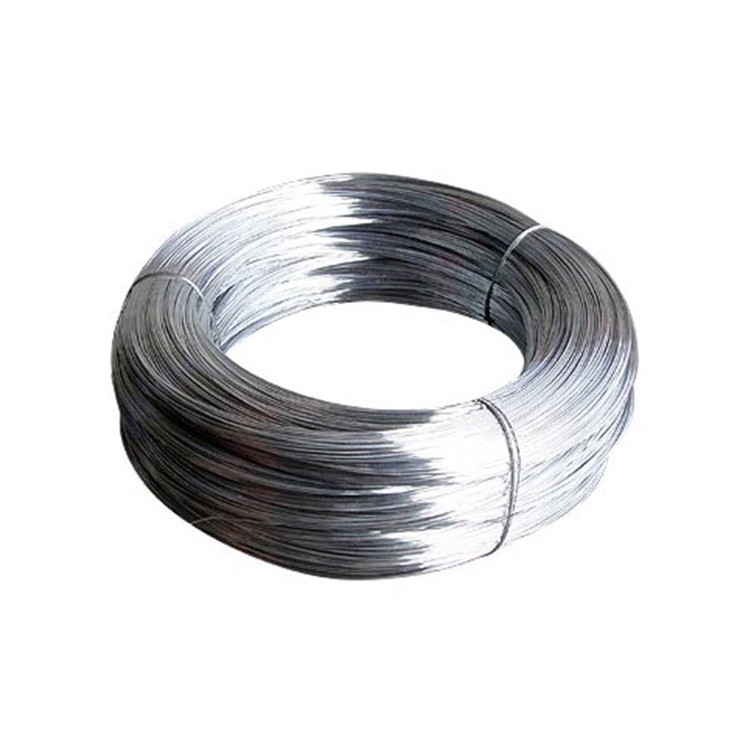
Because a chicken wire fence 300 meters will often be outdoors in all sorts of weather, material quality matters a lot. Most premium fencing uses galvanized steel wire, meaning it’s coated with zinc to prevent rusting. Some variants add PVC coating for extra protection. Durability translates to lower maintenance, especially important if fences need to stay up season after season.
Scalability & Flexibility
One roll covering 300 meters is naturally convenient if you want to cover larger perimeters without too many joins. At the same time, because the wire is flexible, you can roll it back, curve it around unusual terrain, or reshape according to the site’s needs. This scalability makes it a favorite for both small hobby farms and industrial applications alike.
Cost Efficiency
When you look at fencing options, chicken wire usually checks the box for being affordable without sacrificing performance. Buying in 300-meter rolls often secures better pricing per meter than smaller packages, making it ideal for projects with long stretches to cover.
Ease of Installation
Installing chicken wire isn’t rocket science. The rolls are light relative to the coverage, and with some basic tools (staple guns, fencing pliers, posts), a good crew — or even a handy homeowner — can get a fence up in hours. This is why it’s so popular among emergency responders and NGO workers needing quick protective barriers.
Environmental Impact
Interestingly, chicken wire fences can be recycled or reused, especially the galvanized steel sort, which aligns with growing global sustainability goals. Some manufacturers have even started using eco-friendly coatings and manufacturing processes to reduce carbon footprints.
Real-World Applications: Where a Chicken Wire Fence 300 Meters Makes a Difference
- Agriculture: The most obvious. Farmers in South Asia, Africa, Latin America rely on these fences to keep chickens and rabbits secured and predators out.
- Construction Sites: Temporary fencing around building sites to deter unauthorized entry or keep debris contained.
- Post-Disaster Relief: Organizations like the Red Cross use chicken wire fencing to create safe zones or pen livestock during crises.
- Wildlife Conservation: Protecting young trees or plants from grazing animals in forests and national parks.
- Urban Gardens and Parks: Community gardens often use chicken wire fences as affordable enclosure options.
To emphasize, these fences aren’t a neat fixation; they adapt globally across climates and cultures, sometimes even in DIY contexts where ingenuity reigns supreme.
Advantages and Longer-Term Value
Sure, there are plenty of high-tech fencing solutions out there, but chicken wire fence 300 meters often strikes the ideal balance of benefit-to-cost:
- Affordability: It doesn’t bust budgets yet provides reliable protection.
- Sustainability: With galvanized steel, corrosion resistance means less frequent replacement.
- Improved Safety: Safeguards farm animals, children’s play areas, and minimizes wildlife intrusion.
- Social Impact: Supports livelihoods by controlling livestock and securing gardens, subtly reinforcing community resilience.
Emotionally speaking, it feels reassuring. There’s a simple dignity in fencing your own space — even if just for chickens.
Product Specification Table: Typical Chicken Wire Fence 300 Meters Roll
| Specification | Detail |
|---|---|
| Length | 300 meters |
| Height Options | 0.5m, 1m, 1.2m, 1.5m |
| Material | Galvanized Steel Wire |
| Mesh Size | 13mm to 25mm (hexagonal openings) |
| Wire Gauge | 21 to 24 gauge (0.5mm to 0.6mm diameter) |
| Coating | Zinc galvanized or PVC coated (optional) |
Vendor Comparison Table
| Vendor | Price/300m Roll | Availability | Material Quality | Lead Time |
|---|---|---|---|---|
| FiveStar Metals | $320 | In Stock | High (Galvanized + PVC) | 2 days |
| AgriFence Supplies | $290 | Pre-order | Medium (Galvanized only) | 7 days |
| EcoSecure Nets | $350 | Limited | Premium (Recycled Steel + PVC) | 5 days |
Looking Ahead: Future Trends and Innovations
As sustainability gains ground, vendors are experimenting with recycled materials and biodegradable coatings. Oddly enough, there’s also a growing push for integrating “smart” mesh — embedded sensors to detect breaks or unauthorized access, especially for security-sensitive zones. Automation in installation and modular fencing kits might soon make rolling out a chicken wire fence 300 meters even more effortless. It feels like, alongside traditional uses, this humble fence is nudging into the digital realm — who would’ve thought?
Challenges and How Experts Are Tackling Them
Despite its virtues, chicken wire fencing does face issues: sometimes it’s perceived as “cheap” and less secure for certain high-risk uses. UV degradation of PVC coatings can also limit lifespan in very sunny climates. Plus, wildlife can sometimes squeeze through if the mesh size isn’t right.
The solutions? Manufacturers now tailor wire gauge and mesh sizes precisely for use cases, plus hybrid coatings improve longevity. On the user side, combining chicken wire with taller posts or secondary fencing can strengthen the barrier without breaking the bank.
FAQ: Your Quick Guide to Chicken Wire Fence 300 Meters
- Q: How long does a chicken wire fence 300 meters roll typically last?
- A: With proper galvanized or PVC coatings, these fences last anywhere from 5 to 10 years, depending on weather conditions and maintenance.
- Q: Can I customize the height and mesh size when ordering 300 meters?
- A: Absolutely. Vendors often offer a range of heights from 0.5m to 1.5m and different mesh sizes to suit poultry, small livestock, or garden needs.
- Q: Is chicken wire fencing suitable for security fencing?
- A: For high-security needs, chicken wire alone may not suffice. However, combined with other fencing layers or deterrents, it can act as a deterrent for casual intruders and animals.
- Q: How easy is it to transport and handle a 300-meter roll?
- A: Despite its length, the roll is lightweight and compact when wound tightly, making it easy to transport and install with minimal manpower.
- Q: Where can I buy reliable chicken wire fence 300 meters rolls?
- A: Trusted suppliers like FiveStar Metals offer competitive pricing, high-quality galvanized/PVC coated rolls, and fast delivery.
Wrapping It Up: Why a Chicken Wire Fence 300 Meters Could Be Your Best Bet
If you reflect on your fencing options, a chicken wire fence 300 meters stands out as a genuinely practical, cost-effective solution. Its remarkable adaptability — from agriculture to emergency relief — speaks to an old product skillfully tuned for modern needs. Plus, manufacturers increasingly back it with eco-friendly materials and thoughtful design tweaks. If you are planning a project requiring a large fenced area, seriously consider this fencing. It’s the unsung hero of boundaries, quietly making a tangible difference.
Ready to get started? Visit our website at https://www.fivestar-metals.com and explore the best options in chicken wire fence 300 meters rolls, backed by expert advice and fast service.
Mini takeaway: A chicken wire fence measuring 300 meters isn’t just a roll of wire — it’s a flexible, durable border shaping lives and land worldwide.
References


-
Canton Fair 2026-4 in Guangzhou,China
NewsApr.24,2027
-
High Quality Common Nails 1212 for Construction Projects
NewsApr.16,2026
-
The 139th Canton Fair
NewsApr.14,2026
-
Guide to Using Galvanised Common Round Nails for Durable Construction
NewsApr.09,2026
-
Comprehensive Guide to Flat Head Common Nails for Construction Projects
NewsApr.07,2026
-
Understanding the Versatility of the Common Nail 5 5 for Various Applications
NewsApr.04,2026