Understanding Common Nails 1 Cartoon Applications and Sizing Guide
Understanding Common Nails: A Guide to Size, Usage, and Quality
When undertaking any construction or woodworking project, selecting the right fasteners is critical for ensuring structural integrity and a professional finish. Common nails are a staple in the industry, providing a simple yet effective fastening solution. This guide will explore everything you need to know about common nails – from understanding their sizing to recognizing quality and finding the right ones for your needs. Choosing the correct nail for your project will save you time, money and frustration. Five Star Metals offers a comprehensive range of common nails to meet diverse project requirements.
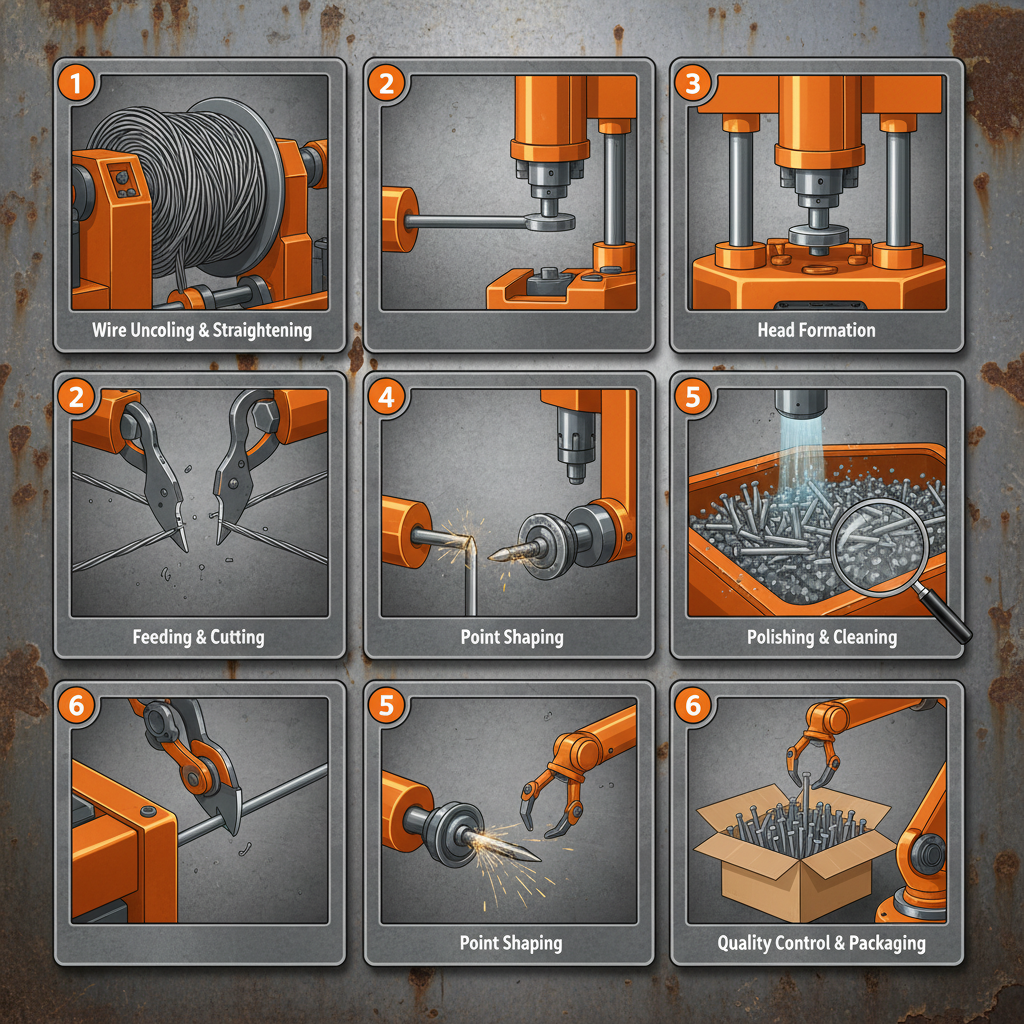
What are Common Nails and Why Use Them?
Common nails are round-headed, cylindrical nails designed for general construction and woodworking. Their thick shank and large head provide strong holding power, making them ideal for framing, sheathing, and other structural applications. Unlike some specialized nails, common nails are relatively inexpensive and readily available, making them a cost-effective choice for large-scale projects. They’re known for their straightforward usability and ability to penetrate a variety of wood types. Five Star Metals' common nails are manufactured to meet stringent quality standards, ensuring consistent performance and reliability.
Key Benefits: Strong holding power, cost-effective, readily available, suitable for various wood types, and easy to use.
Understanding Common Nail Sizing: The “Penny” System
Common nails are sized according to a system called the “penny” (d) system. This refers not to the monetary value, but to the nail’s length. A higher penny number indicates a longer nail. For example, a 6d nail is longer than a 3d nail. The approximate length can be calculated, but it’s generally best to refer to a sizing chart. Choosing the correct nail length is essential for adequate holding power without compromising the wood’s integrity. Incorrect nail size can lead to structural weakness or splitting of the wood.
Common Nail Sizes (Penny System):
• 2d: Approximately 0.9 inches
• 3d: Approximately 1.25 inches
• 4d: Approximately 1.5 inches
• 6d: Approximately 2 inches
• 8d: Approximately 2.5 inches
Common Nails vs. Box Nails: What’s the Difference?
While both common and box nails are widely used, they have key differences. Common nails, as previously discussed, have a thick shank and large head. Box nails, on the other hand, have a thinner shank and a smaller, barrel-shaped head. This makes box nails less noticeable and reduces the risk of splitting the wood, making them ideal for finer woodworking projects like molding and trim. However, box nails have less holding power than common nails and are not suitable for structural applications. Choosing between the two depends on the project's specific requirements and aesthetic considerations. Five Star Metals provides both types to cater to a variety of needs.
Selecting Quality Common Nails
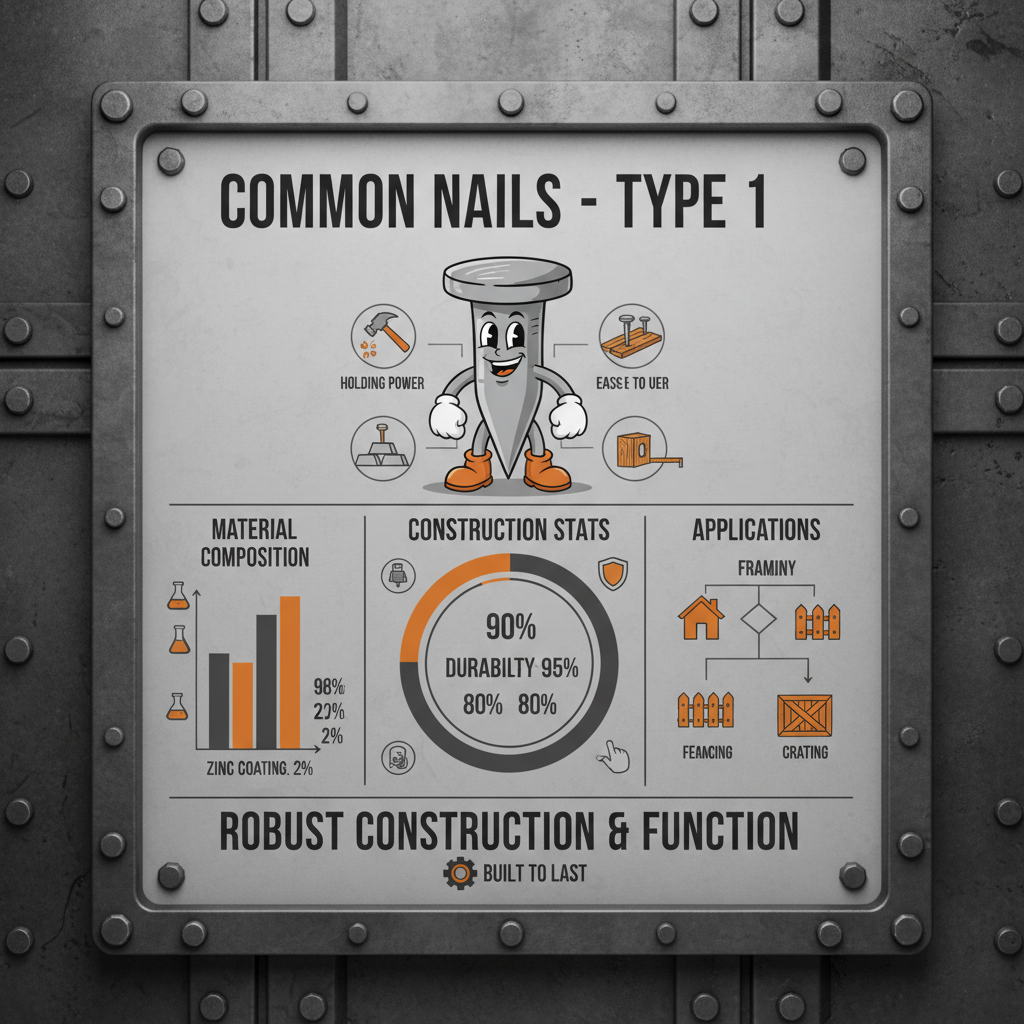
The quality of common nails significantly impacts their performance and longevity. Look for nails that are straight, free from rust or defects, and have consistently shaped heads. Bright, galvanized nails offer increased corrosion resistance, making them ideal for outdoor projects or treated lumber. Five Star Metals' nails undergo rigorous quality control to ensure they meet industry standards and provide reliable performance. Investing in quality nails will save you time and effort in the long run by reducing the risk of bending, breaking, or corrosion.
Where to Buy High-Quality Common Nails
For a reliable source of high-quality common nails, look no further than Five Star Metals. We offer a wide selection of sizes and finishes to meet your specific project needs. With competitive pricing and exceptional customer service, we’re your trusted partner for all your fastener requirements. Browse our online catalog today and experience the Five Star Metals difference.
Conclusion: Choosing the Right Nail for Your Project
Understanding the different types and sizes of common nails is essential for successful construction and woodworking. By choosing the right nail for your project and sourcing it from a reputable supplier like Five Star Metals, you can ensure structural integrity, a professional finish, and long-lasting results.
Frequently Asked Questions (FAQs)
What type of wood are common nails best suited for?
Common nails are versatile and can be used with a wide range of wood types, including softwood like pine and fir, as well as hardwood like oak and maple. However, for hardwoods, pre-drilling a pilot hole is recommended to prevent splitting. The thicker shank of a common nail provides excellent holding power in softer woods, while its durability makes it suitable for more resilient hardwoods when used with proper preparation.
Can common nails be used for outdoor projects?
While common nails can be used outdoors, it's highly recommended to use galvanized common nails for outdoor projects. Galvanization provides a protective coating that prevents rust and corrosion, extending the nails' lifespan and maintaining their structural integrity when exposed to the elements. Regular steel common nails will rust and weaken over time when exposed to moisture.
How do I prevent wood from splitting when using common nails?
To prevent wood from splitting, especially when working near the edges or with hardwoods, consider pre-drilling a pilot hole slightly smaller than the nail’s shank. You can also blunt the tip of the nail before driving it in. Driving the nail straight and using a nail set to countersink the head can also help minimize splitting. Selecting the appropriate nail size for the wood’s thickness is also crucial.
What are some alternative nails to common nails?
Alternatives to common nails include box nails (for finer work), finishing nails (for trim and molding), and framing nails (for structural framing). Each nail type is designed for specific applications, offering varying levels of holding power, visibility, and resistance to splitting. Selecting the appropriate nail depends on the project’s specific requirements and aesthetic considerations.


-
Canton Fair 2026-4 in Guangzhou,China
NewsApr.24,2027
-
High Quality Common Nails 1212 for Construction Projects
NewsApr.16,2026
-
The 139th Canton Fair
NewsApr.14,2026
-
Guide to Using Galvanised Common Round Nails for Durable Construction
NewsApr.09,2026
-
Comprehensive Guide to Flat Head Common Nails for Construction Projects
NewsApr.07,2026
-
Understanding the Versatility of the Common Nail 5 5 for Various Applications
NewsApr.04,2026