Comprehensive Guide to Chicken-Wire Mesh: Uses, Benefits & Vendors
Understanding Chicken-Wire Mesh: More Than Just a Fence
Chicken-wire mesh might sound like something you only find in backyard chicken coops, but in reality, this versatile material plays a far broader role across industries worldwide. From construction and agriculture to humanitarian relief, understanding chicken-wire mesh opens up a world of practical solutions that address safety, sustainability, and efficiency. Whether you’re an engineer, policy maker, or just curious about the humble wire mesh, the benefits of knowing its many uses are surprisingly significant on a global scale.
The Global Importance of Chicken-Wire Mesh
Why does chicken-wire mesh matter beyond the farmyard? Well, chicken-wire mesh is integral to many industries that underpin food security, infrastructure, and disaster relief. According to data from the United Nations Food and Agriculture Organization (FAO), the global demand for materials that safeguard agricultural stock — especially small livestock like poultry — is growing, driven by population growth and urban expansion. At the same time, environmental standards call for materials that are both eco-friendly and durable.
In regions prone to natural disasters, rapid fencing solutions help rebuild homes and secure areas. For example, after flooding incidents, wire mesh acts as reinforcement in rebuilding efforts or protective barriers, simultaneously allowing airflow and safeguarding property. The challenge is sourcing materials that combine affordability with resilience — and chicken-wire mesh strikes that balance well.
Mini takeaway:
- Chicken-wire mesh supports global food security and disaster management efforts.
- Its affordability and adaptability help solve real-world material challenges.
Defining Chicken-Wire Mesh: What Is It Exactly?
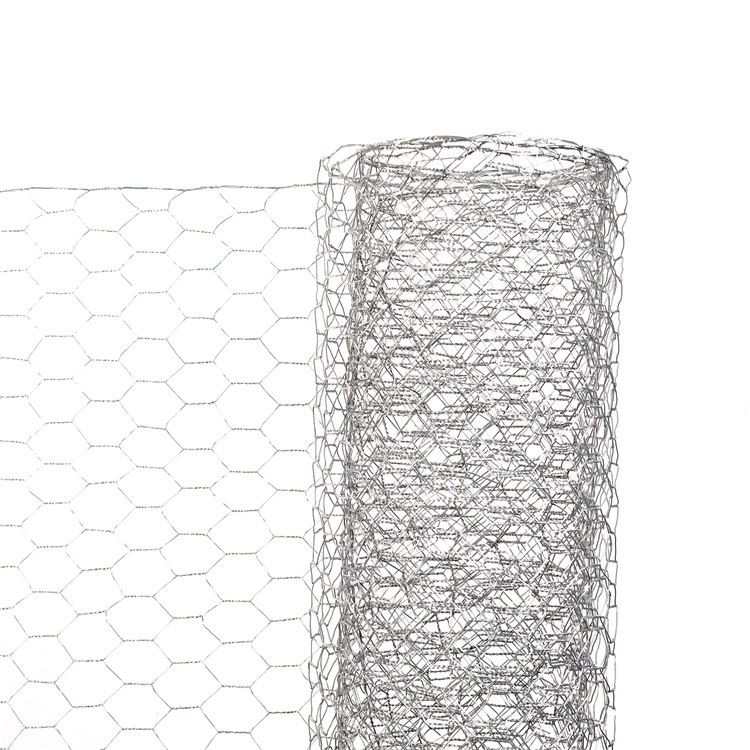
Simply put, chicken-wire mesh is a woven metal wire product forming hexagonal gaps — often galvanized steel wire — resembling a net but sturdier. Its primary purpose traditionally was to contain poultry, hence the name, but today it’s a workhorse of modern infrastructure. The wire diameter, mesh size (gap), and coatings vary depending on use.
Aside from simple fences, engineers use it as reinforcement in concrete, erosion control, or even in wildlife management. The mesh's lightweight yet strong properties cater well to humanitarian needs — think emergency shelter frameworks or secure but breathable fencing in refugee camps.
Key Features of Chicken-Wire Mesh That Count
Durability
Galvanized coatings resist rust and corrosion, extending lifespan outdoors. Many manufacturers now offer PVC-coated versions for extra protection, ensuring reliability over years, even in wet or coastal environments.
Flexibility and Scalability
Its hexagonal pattern provides resilience — the mesh bends without breaking, which allows easy shaping around structures and scalable applications from small enclosures to large fencing projects.
Cost Efficiency
Compared to solid panel fencing or masonry, chicken-wire mesh is budget-friendly. Installation is quicker too — less labor-intensive — which adds to saving costs in large projects or emergencies.
Breathability and Visibility
The design lets air and light pass through, which is invaluable for livestock health, construction ventilation, and security where monitoring visibility is important.
Applications Around the Globe: Where Chicken-Wire Mesh Shines
From rural African farms to sprawling industrial complexes in Europe, chicken-wire mesh adapts. In Asia-Pacific, where poultry farming is a vital economic activity, chicken-wire mesh protects flocks while minimizing airflow restrictions, preventing disease spread.
Post-earthquake zones in Latin America use the mesh embedded in stabilized soil walls to prevent landslides — a clever integration of traditional and modern methods.
And oddly enough, many urban green initiatives in Europe or North America employ chicken-wire mesh around saplings to protect young trees from pests and vandalism, while still enabling growth.
Mini takeaway:
- Chicken-wire mesh nurtures multiple industries — from agriculture to environmental protection.
- Its adaptability helps communities tackle unique local challenges effectively.
Advantages & Long-Term Value
Why do so many engineers and planners rely on chicken-wire mesh? The answer lies in longevity and trust. It lasts long — typically 10+ years outdoor when properly galvanized or coated — meaning fewer replacements, which saves resources and labor. Its cost-effectiveness helps stretch project budgets without compromising integrity.
On an emotional level, chicken-wire fencing often represents safety: a simple barrier that protects livelihoods, keeps children safe, and fosters dignity, especially in vulnerable communities. This mesh stands for innovation balanced with practicality, a rare combo.
Specifications at a Glance
| Specification | Typical Range | Notes |
|---|---|---|
| Wire Diameter | 0.7 mm - 2.0 mm | Depends on strength requirements |
| Mesh Opening Size | 12 mm - 50 mm (hexagonal) | Smaller for poultry, larger for reinforcement |
| Material | Galvanized steel, PVC-coated steel | Coatings ensure corrosion resistance |
| Roll Size | 0.5m - 1.2m width, 10m - 50m length | Custom sizes available |
Comparing Popular Chicken-Wire Mesh Vendors
| Vendor | Material Coating | Price Range (per roll) | Lead Times | Customization Options |
|---|---|---|---|---|
| Five Star Metals | Galvanized & PVC-coated | $40 - $90 | 1-2 weeks | Wire gauge, mesh size, roll length |
| GreenMesh Co. | Galvanized only | $35 - $80 | 2-3 weeks | Standard sizes only |
| EcoWire Solutions | PVC-coated recycled steel | $50 - $100 | 3-4 weeks | Custom mesh pattern and size |
FAQ: Your Quick Guide to Chicken-Wire Mesh
Q: How long does galvanized chicken-wire mesh last outdoors?
A: Typically, properly galvanized chicken-wire mesh can last 10 to 15 years outdoors, depending on the environment. Coastal areas with salty air may reduce lifespan slightly, so PVC-coated variants or stainless steel may be better options in such conditions.
Q: Can chicken-wire mesh be used for structural reinforcement in construction?
A: Absolutely. Chicken-wire mesh is often embedded in plasters and concrete for reinforcement, especially in lightweight applications or erosion control structures. It provides tensile strength without the weight and cost of traditional rebar.
Q: Are there eco-friendly chicken-wire mesh options available?
A: Yes, some manufacturers now offer PVC-coated chicken-wire mesh using recycled steel and environmentally safer coatings. These help reduce the carbon footprint and improve recyclability.
Q: What’s the best way to install chicken-wire mesh for livestock containment?
A: Use sturdy posts spaced evenly, with tensioning applied to avoid sagging. Overlapping rolls and securing with galvanized staples or clips ensures durability and secure containment.
Q: Can international NGOs easily source chicken-wire mesh for relief projects?
A: Many suppliers, such as Five Star Metals, have experience in international shipping and can customize orders. Early coordination and understanding local regulations can smooth the import process significantly.
The Road Ahead: Future Trends in Chicken-Wire Mesh
Looking forward, it’s clear innovation isn’t skipping this humble mesh. Developments in nano-coatings promise even better corrosion resistance. Integration with smart sensors embedded in fencing for real-time monitoring is gradually gaining traction, especially for high-security or wildlife conservation areas.
Sustainability trends are driving demand for entirely recyclable wire meshes and eco-conscious manufacturing processes — this meshes well with global decarbonization goals. And oddly enough, digital modeling tools now help engineers customize mesh patterns specific to certain stress profiles, which reduces waste and improves performance.
Challenges and How to Overcome Them
One common snag is mesh deformation over time in extremely harsh environments or under heavy impacts. Experts suggest combining chicken-wire mesh with reinforcing bars or frames to improve longevity. Also, pricing fluctuations in steel impact costs unpredictably. Bulk purchasing contracts or long-term supplier relationships can help stabilize budgets.
On the logistics side, transporting large rolls to remote areas requires careful planning — often solutions include local warehousing or partnerships with regional distributors for flexibility.
Wrapping It Up
Chicken-wire mesh is truly one of those quietly essential products — often overlooked but never irrelevant. Its combination of affordability, strength, and versatility makes it a go-to for countless applications worldwide. Whether securing livestock, reinforcing buildings, or supporting emergency reconstruction, chicken-wire mesh delivers solutions that stand the test of time — and that’s no small feat in a fast-changing world.
If you’re interested in reliable, customizable chicken-wire mesh products, be sure to check out our range at Five Star Metals — your partner in quality & innovation.
Reference list:


-
Canton Fair 2026-4 in Guangzhou,China
NewsApr.24,2027
-
High Quality Common Nails 1212 for Construction Projects
NewsApr.16,2026
-
The 139th Canton Fair
NewsApr.14,2026
-
Guide to Using Galvanised Common Round Nails for Durable Construction
NewsApr.09,2026
-
Comprehensive Guide to Flat Head Common Nails for Construction Projects
NewsApr.07,2026
-
Understanding the Versatility of the Common Nail 5 5 for Various Applications
NewsApr.04,2026