Chicken Mesh Fence: Durable, Affordable Fencing Solutions Worldwide
What Exactly is a Chicken Mesh Fence, and Why Should We Care?
Chicken mesh fence might sound like something that belongs strictly in rural backyards or quaint farms, but, frankly, this simple yet versatile fencing solution has global significance far beyond the humble coop. From managing livestock in developing nations to reinforcing humanitarian relief zones — understanding chicken mesh fences is surprisingly valuable.
Why? Because a sturdy fence often marks the difference between safety and risk — between controlled farming and environmental degradation, between effective disaster response and chaotic situations. Plus, they’re affordable, adaptable, and pretty much perform day-in, day-out with minimal fuss.
So whether you’re in agriculture, humanitarian logistics, or just an enthusiast of practical tech, chicken mesh fences are worth knowing about. Let’s dive deeper.
Chicken Mesh Fence in the Global Context: An Industry and Humanitarian Perspective
According to data from the United Nations Food and Agriculture Organization (FAO), more than 70% of the world’s rural population depends on small-scale livestock farming as a key livelihood. Containment and security are obstacles many face worldwide, and this is where chicken mesh fences come into play. They’re trusted solutions — lightweight yet sturdy — that can be built quickly and economically.
In disaster response scenarios, such as those reported by the International Federation of Red Cross and Red Crescent Societies (IFRC), temporary fences based on chicken mesh designs enable rapid establishment of livestock safety zones and prevent cross-contamination of crops and animals. This kind of fencing is particularly effective in regions with fragile infrastructure where speed and efficiency matter.
That said, many challenges like fencing degradation under harsh climates or wildlife intrusion remain ongoing concerns. That’s exactly why innovations in mesh design and deployment strategies are continually underway.
Defining Chicken Mesh Fence
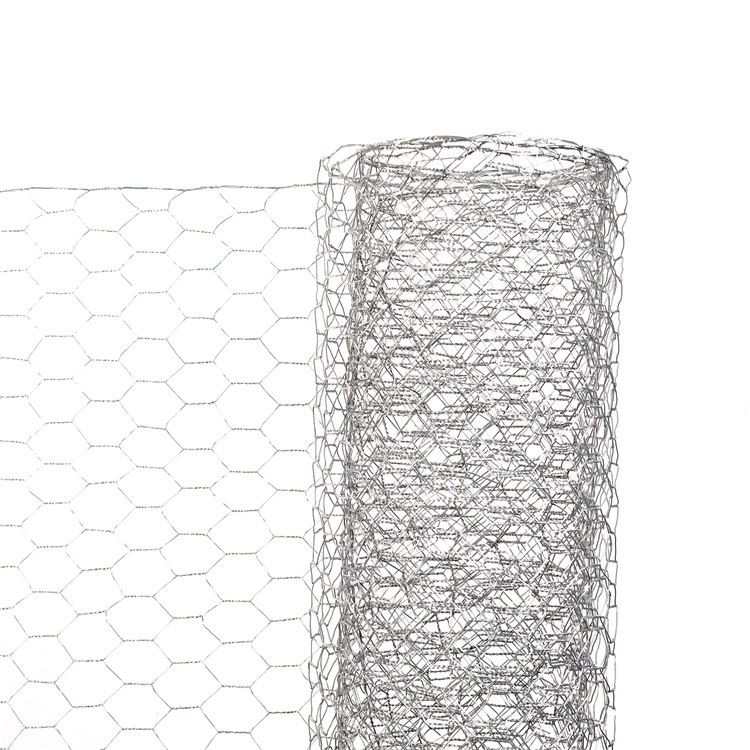
At its core, a chicken mesh fence is a wire mesh barrier constructed primarily from galvanized steel or other coated metals and arranged with small hexagonal or square openings. Despite the name “chicken,” these fences aren’t limited to poultry containment — they regulate rabbits, quail, and various lightweight enclosings.
The mesh is typically flexible but robust, allowing it to be rolled and shaped into fences, cages, or barriers. It connects to posts, stakes, or frames, often supported by wood, metal, or plastic depending on needs and budget.
Modern chicken mesh fencing intersects both traditional agricultural usage and humanitarian infrastructure by offering a combination of accessibility, cost-efficiency, and durability.
Core Aspects of Chicken Mesh Fence
Durability: A Balancing Act
The mesh’s corrosion resistance largely depends on the quality of galvanization or PVC coating applied. Ideally, it withstands moisture, sun, and minor impacts for years — which explains why many farmers find it a long-lasting go-to despite relatively thin wire gauges.
Scalability & Flexibility
One of the nicer features is that chicken mesh fences come in rolls of different sizes, enabling quick scaling from a few meters to several kilometers. This modularity suits both small backyard coops and larger ranches or industrial zones.
Cost Efficiency
Compared to solid fencing alternatives like wrought iron or wooden slats, chicken mesh is significantly more affordable — often costing up to 60% less. Installation time is faster, which means labor savings. It’s a pragmatic choice when budgets are tight but protection is essential.
Ease of Installation
Many setups require minimal tools and skills. With simple hand tools, even non-specialists can roll out and secure the mesh. This factor is critical in emergency or remote applications where professional installers aren’t available.
Animal Welfare & Safety
The smaller openings prevent predators from entering while allowing air and light flow — a neat mix that respects animal well-being in enclosed spaces.
Sustainability
Modern chicken mesh fencing increasingly appears with recyclable materials and eco-friendly coatings. Plus, its reuse and repurposing potential diminishes material wastage.
Mini takeaway: Durability, affordability, and simplicity make chicken mesh fences a standout fencing choice worldwide, suited for both industrial and small-scale use.
Global Applications: Real-World Use Cases
- Agricultural Zones: Sub-Saharan Africa’s smallholder farmers use chicken mesh fences to protect poultry flocks from wild predators and to create safe zones for free-range chickens.
- Disaster Relief: In places like Nepal post-earthquake zones, relief groups deploy chicken mesh fencing rapidly around temporary livestock shelters to protect animals and facilitate health interventions.
- Industrial Areas: In mining towns of Australia, chicken mesh fences secure machinery and storage facilities without expensive heavy fencing solutions.
- Community Projects: Urban farms and school projects worldwide favor chicken mesh fences for their safety and teaching convenience.
For anyone curious, you might look at a company specializing in fencing solutions, like chicken mesh fence providers who supply varied mesh gauges and coatings globally with strong logistics.
Advantages & Long-Term Value of Chicken Mesh Fencing
Let’s be candid — for many operators, cost matters first. But the benefits go well beyond that.
- Affordability: Cut initial and maintenance costs without compromising safety.
- Reliability: Consistent fencing performance in different climates and settings.
- Safety and Animal Dignity: Allows animals room to breathe and reduces stress.
- Environmental Impact: Less material wastage, recyclable options, and easy reuse.
- Social Impact: Improved farming efficiency translates to food security and income stability.
There’s an emotional connection: farmers and relief workers alike often mention the peace of mind that reliable fencing brings — an unseen but vital part of their labor.
Chicken Mesh Fence Product Specifications
| Specification | Details |
|---|---|
| Material | High tensile galvanized steel wire, PVC coated options |
| Mesh Opening Size | 12mm to 25mm (hexagonal or square) |
| Wire Gauge | 18 to 22 gauge (1.24mm to 0.64mm thickness) |
| Roll Length | 10m to 50m |
| Roll Height | 0.5m to 2.0m |
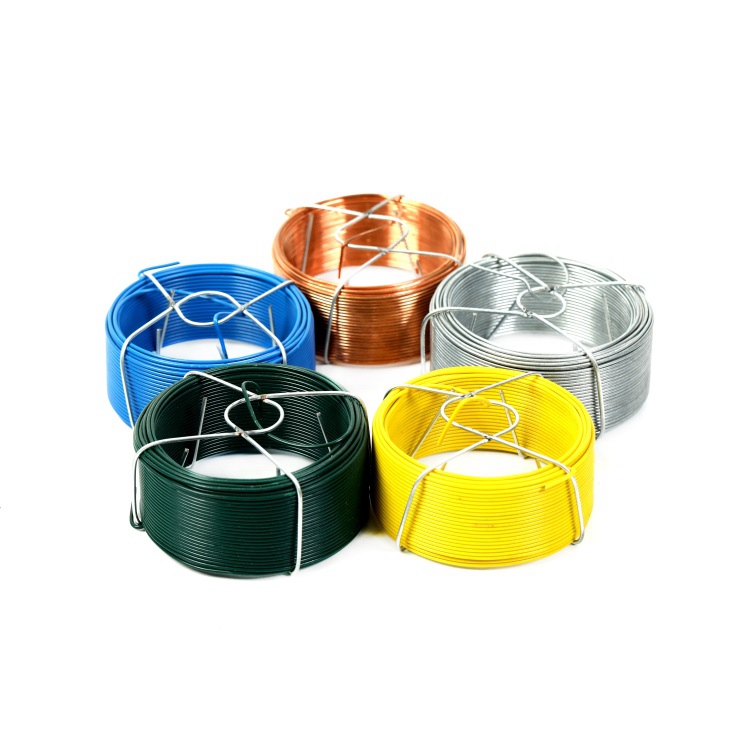
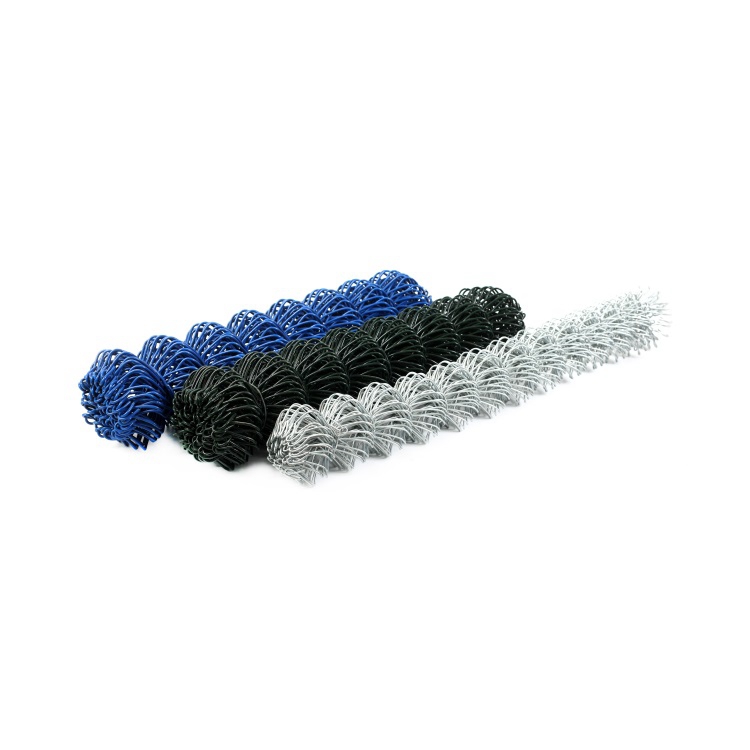
| Coating | Galvanized zinc, PVC (green/black) |
| Weight per Roll | 10kg to 45kg |
Top Vendors Compared: Finding the Right Chicken Mesh Fence Supplier
| Vendor | Price Range (per Roll) | Material Quality | Customization | Shipping & Availability |
|---|---|---|---|---|
| FiveStar Metals | $40 - $85 | Premium galvanized, PVC coated | Custom sizes & coatings | Global with quick turnaround |
| AgroMesh Co. | $35 - $70 | Standard galvanized wire | Limited coating options | Regional only |
| FlexiFence Ltd. | $45 - $95 | High-grade PVC coated steel | Highly customizable | Global shipping |
Future Trends in Chicken Mesh Fencing
It’s odd how something so traditional keeps evolving. Advances in coating technology now allow chicken mesh fences to resist UV degradation for longer. Some manufacturers experiment with biodegradable coatings aiming at zero environmental footprint.
Digitally, we’re seeing integration of sensors embedded in fencing frameworks for better monitoring of farm livestock or unauthorized access in industrial sectors. Imagine a wire mesh fence that sends you an alert if an animal or intruder tampers with it — a neat blend of old and new.
And sustainability is front and center, with recycled steel and eco-conscious manufacturing becoming the norm in many reputable firms.
Challenges and How Experts are Tackling Them
- Corrosion in Harsh Environments: Alternatives to traditional galvanization, like PVC and specialized polymer coatings, are increasingly popular.
- Wildlife and Predator Intrusions: Layering fences with electric deterrents or integrating multiple fencing types improves protection.
- Installation in Remote Areas: Modular kits and lightweight rolls help reduce transport and setup difficulties.
FAQ: Practical Questions about Chicken Mesh Fences
- How long does a chicken mesh fence typically last?
- With standard galvanized coatings, expect 5 to 10 years, depending on climate. PVC-coated fences often last even longer, offering better corrosion resistance, especially in humid or coastal regions.
- Can chicken mesh fences be reused or relocated easily?
- Yes! Chicken mesh comes in rolls and is designed for flexibility. It can be dismantled and reinstalled with relative ease, making it ideal for temporary setups or seasonal use.
- Are chicken mesh fences predator-proof?
- They typically block common small predators like foxes and raccoons, but for larger or more persistent predators, additional reinforcements or smaller mesh size might be necessary.
- What’s the best wire gauge for durability and affordability?
- Most recommend a balance around 20 gauge (0.9mm), which offers sufficient strength for everyday use without excess cost or weight.
- Is PVC coating environmentally friendly?
- PVC coatings add life to fences but raise environmental concerns if not properly recycled. New alternatives using bio-based or recyclable coatings are emerging to reduce ecological impact.
Wrapping It Up: Why Chicken Mesh Fence Remains Essential
Chicken mesh fencing is this beautiful blend of simplicity, efficiency, and adaptability. It relieves the very human need for protecting what we nurture — livestock, crops, community spaces — while fitting nicely with modern sustainability and industry demands.
If you enjoyed wandering through this landscape of wires and fences, or you’re on the hunt for quality materials, drop by chicken mesh fence. Their extensive range and global reach mean you’re covered, no matter the scale or challenge.
For more details and credible standards around fencing materials, check resources like the ISO standards on metallic coatings and the Wikipedia entry on chicken wire.
References:
1. United Nations FAO, "Small-scale livestock farming statistics," 2023
2. International Federation of Red Cross and Red Crescent Societies, Disaster Response Reports, 2022
3. ISO Metallic Coatings Standards, 2019


-
Canton Fair 2026-4 in Guangzhou,China
NewsApr.24,2027
-
High Quality Common Nails 1212 for Construction Projects
NewsApr.16,2026
-
The 139th Canton Fair
NewsApr.14,2026
-
Guide to Using Galvanised Common Round Nails for Durable Construction
NewsApr.09,2026
-
Comprehensive Guide to Flat Head Common Nails for Construction Projects
NewsApr.07,2026
-
Understanding the Versatility of the Common Nail 5 5 for Various Applications
NewsApr.04,2026