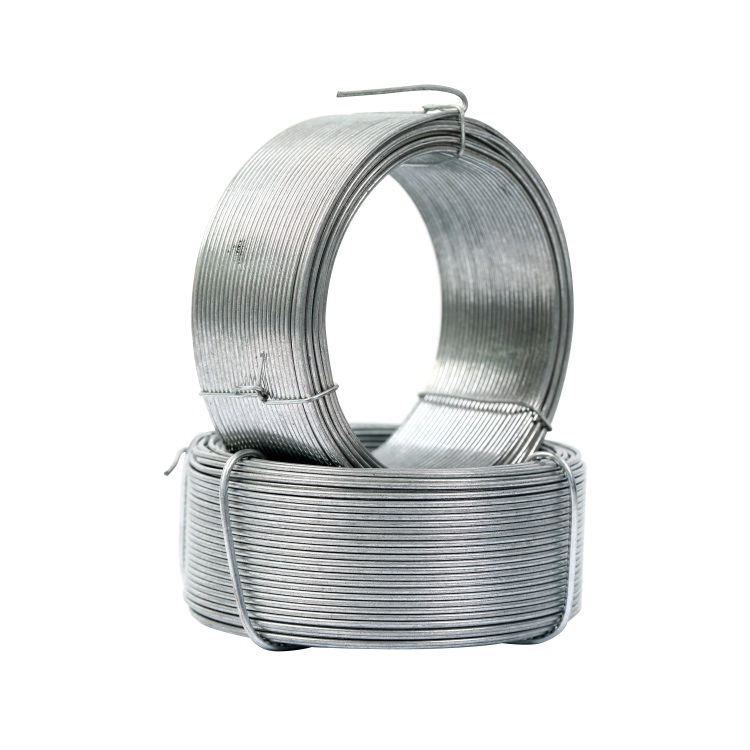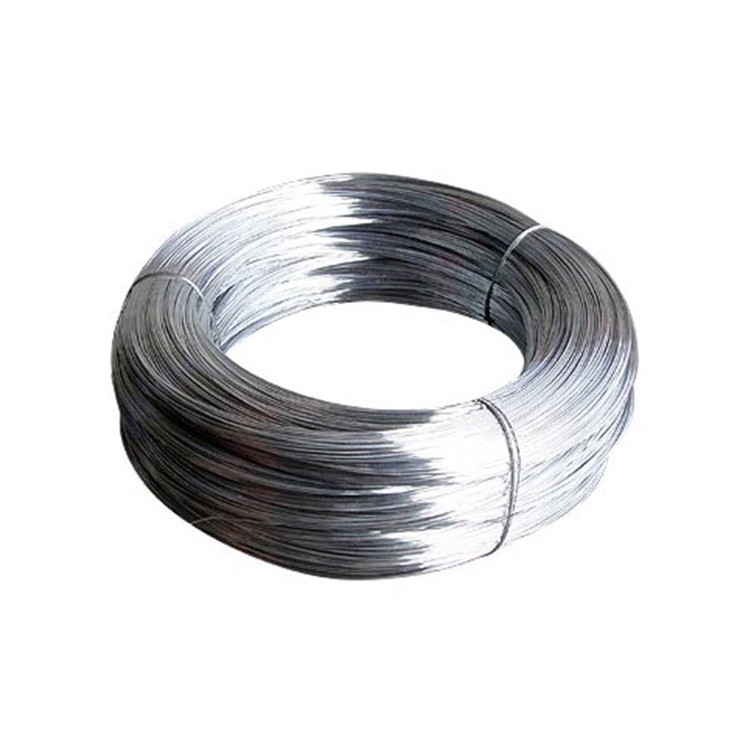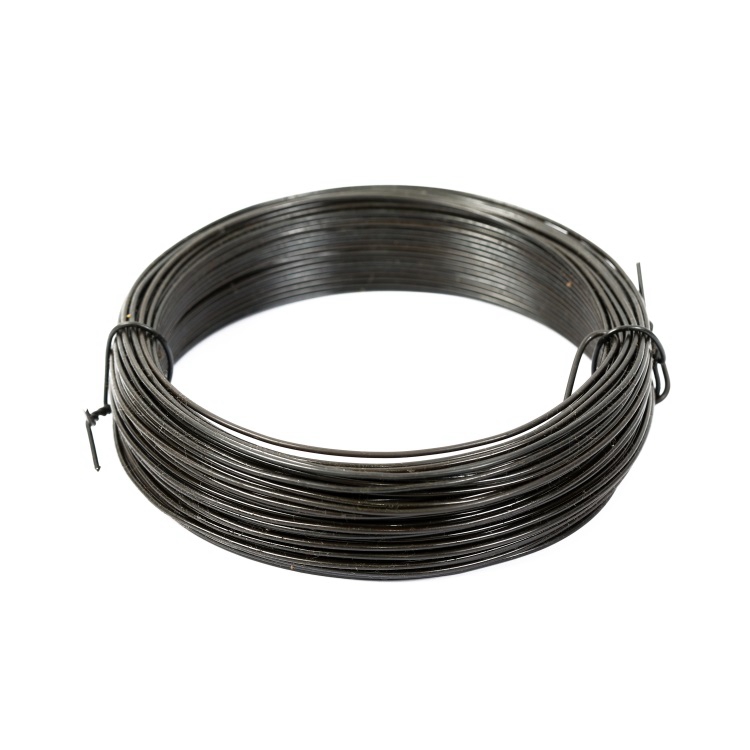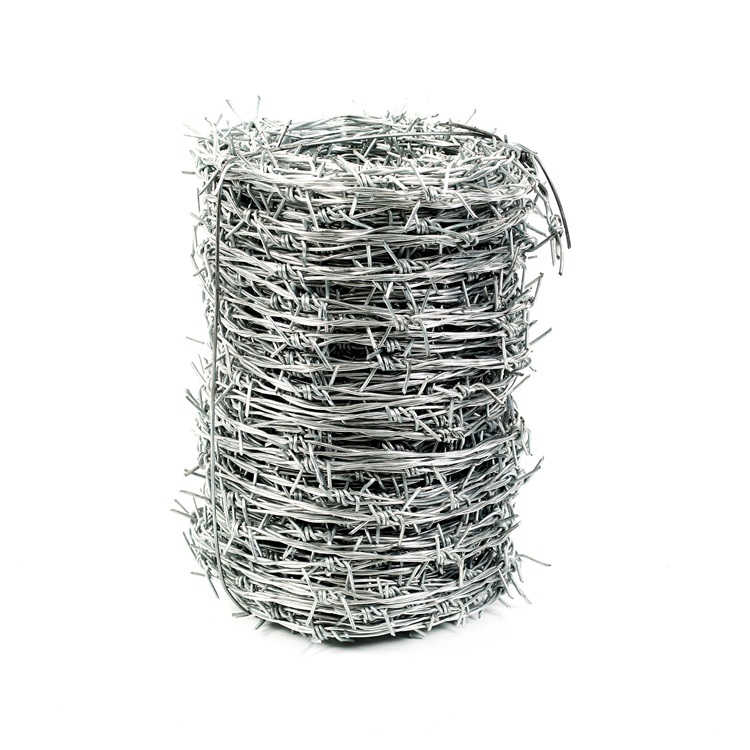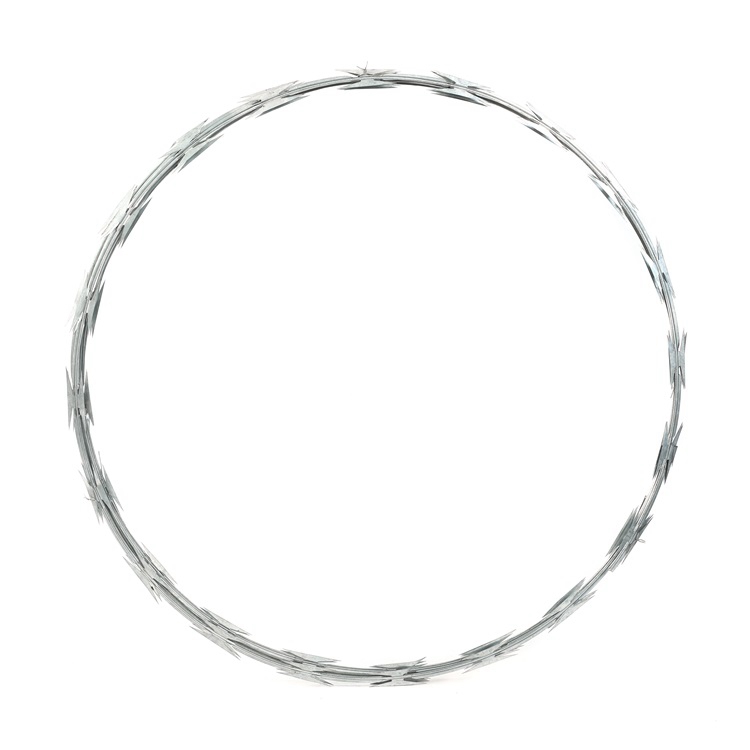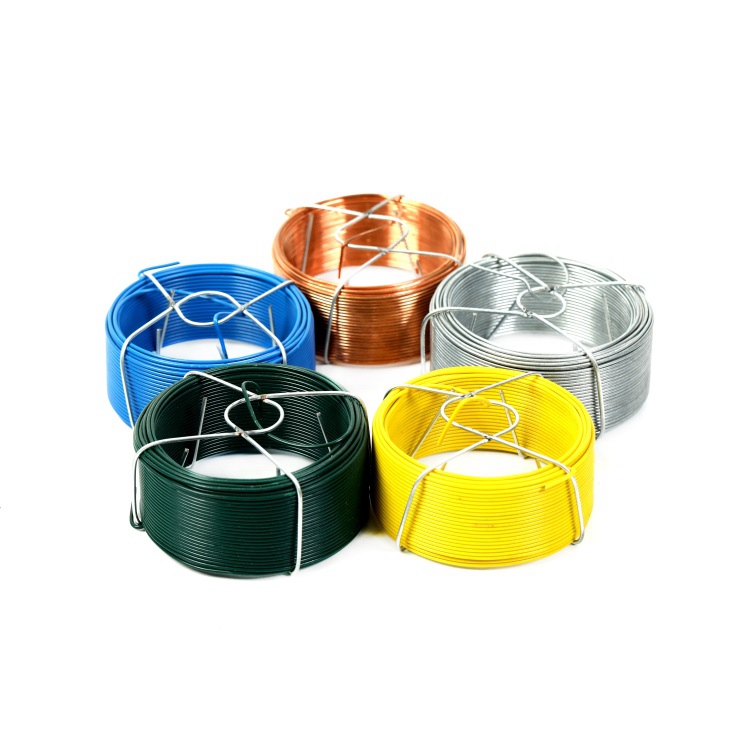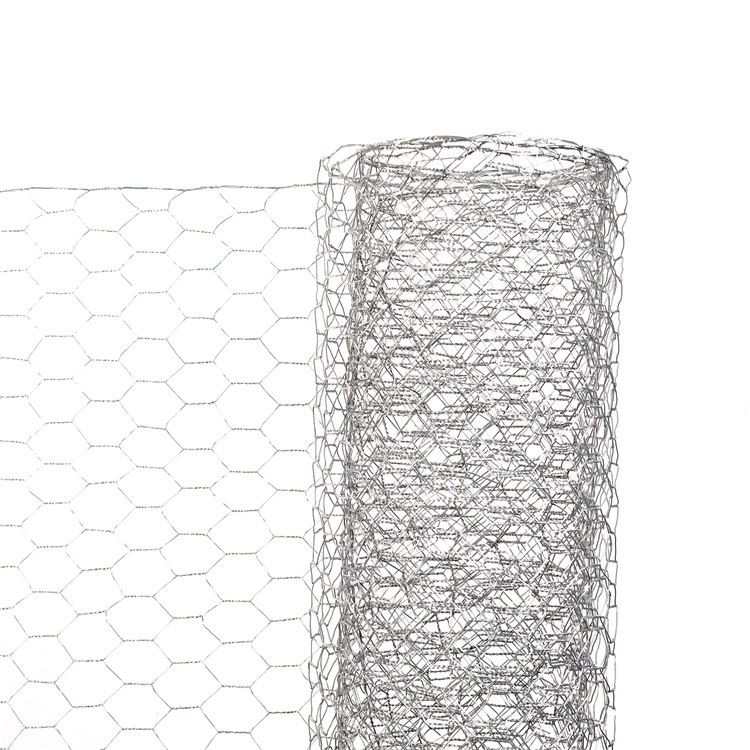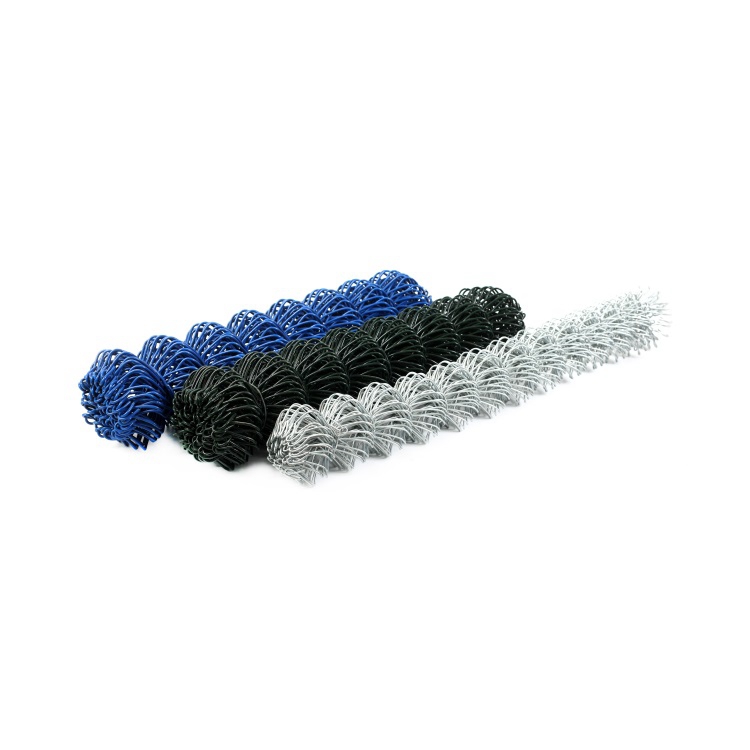
Electro-Galvanized Steel Binding Iron Wire-Dingzhou five-star metal wire mesh MFTY|Corrosion Resistance,Cost-Effective
Introduction
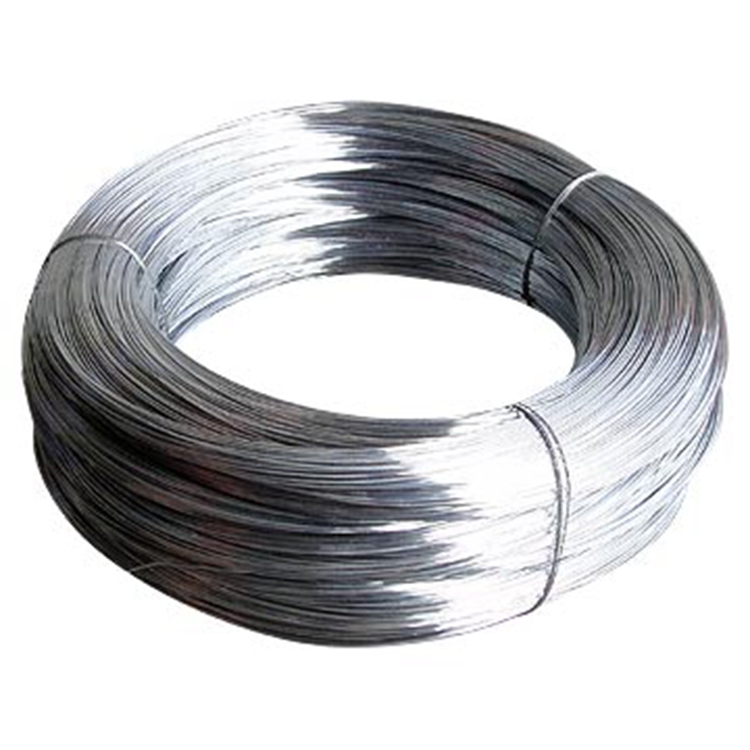
Electro-galvanized steel binding iron wire is a critical component in modern industrial and construction applications, offering a balance of durability, corrosion resistance, and cost-effectiveness. This article delves into the product's features, technical specifications, and real-world applications, while also exploring the broader context of material science standards through a reference to the National Institute of Standards and Technology (NIST).
Product Overview
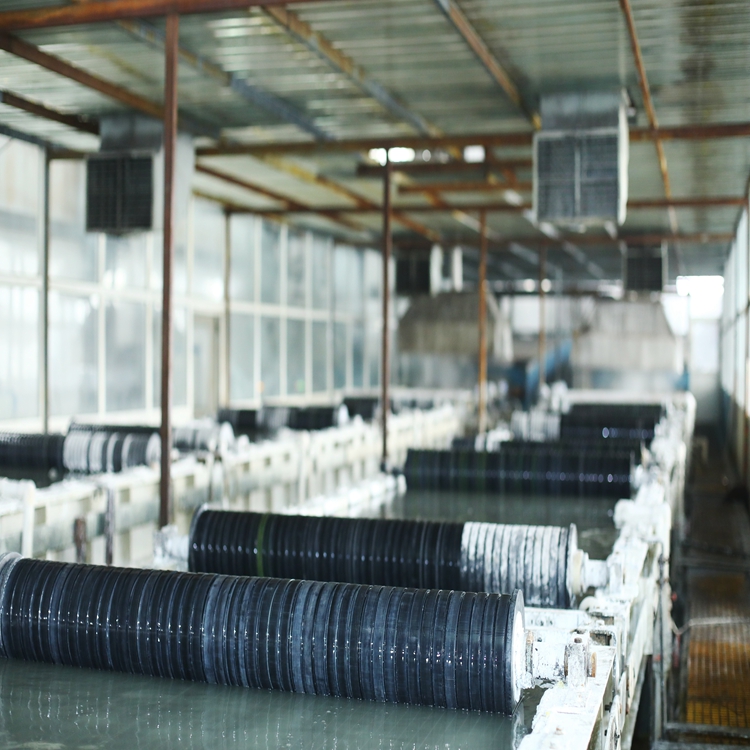
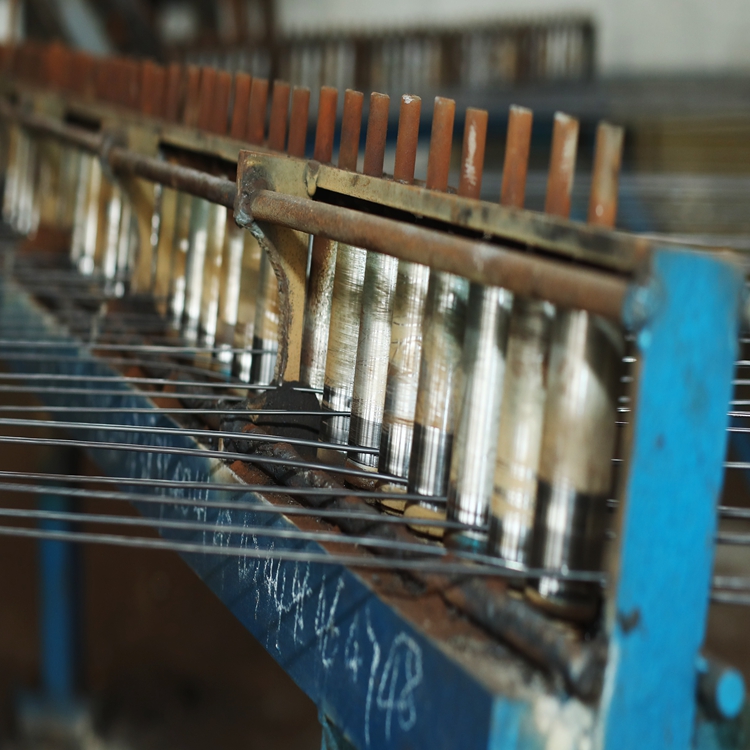
Electro-galvanized steel binding iron wire is a specialized form of galvanized wire that combines the advantages of electroplating with high-strength steel. Unlike traditional hot-dip galvanizing, electro-galvanizing offers a thinner, more uniform zinc coating, resulting in a lower production cost while maintaining robust corrosion resistance. This makes it an ideal choice for applications requiring both structural integrity and long-term durability.
Key Features
- Thick Galvanized Layer: The wire is coated with a zinc layer that provides exceptional protection against rust and environmental degradation.
- Corrosion Resistance: The electro-galvanizing process ensures a dense, even coating that resists oxidation, even in harsh conditions.
- Cost-Effective Production: Compared to hot-dip galvanizing, electro-galvanizing reduces energy consumption and material waste, lowering overall costs.
- Flexibility in Application: Available in a range of diameters and tensile strengths, it adapts to diverse industrial needs.
Technical Specifications
The following table outlines the critical technical parameters of electro-galvanized steel binding iron wire:
| Wire Diameter (BWG) | Zinc Coating (g/m²) | Tensile Strength (MPa) | Packing Weight (kg) |
|---|---|---|---|
| 25-4 | 10-40 | 30-55 | 1-1000 |
Applications in Industry
Electro-galvanized steel binding iron wire is utilized across multiple sectors due to its versatility and resilience. Key applications include:
- Wire Mesh Production: It is used to create electro-galvanized twisted, crimped, hexagonal, diamond, and chain link wire meshes, commonly seen in fencing and industrial barriers.
- Construction: The wire supports the fabrication of welded wire mesh, protective nets, and structural reinforcements.
- Communication and Medical Equipment: Its conductivity and durability make it suitable for components in communication devices and medical instruments.
- Filter Systems: The wire's strength and corrosion resistance are ideal for high-pressure filter screens and industrial filtration systems.
- Handicrafts and Automotive: It is employed in the production of brushes, steel cables, and other specialized components.
Company Background: Dingzhou Five-Star Metal Wire Mesh MFTY
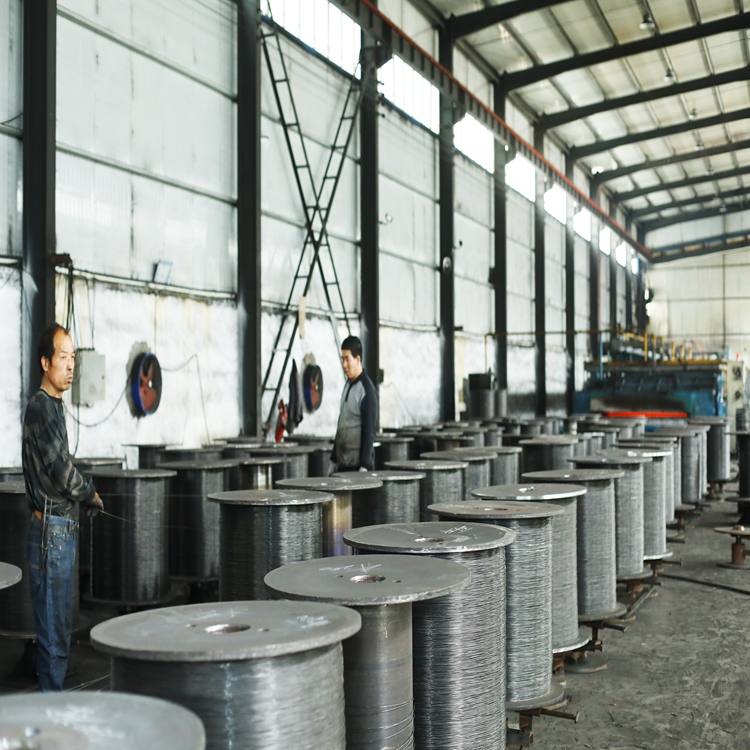
Dingzhou Five-Star Metal Wire Mesh MFTY is a leading manufacturer of galvanized steel products, known for its commitment to quality and innovation. Based in China, the company specializes in electro-galvanized wire and related mesh products, serving global markets with a focus on precision engineering and sustainable practices. Their extensive product range includes customized solutions for industries such as construction, agriculture, and manufacturing.
Comparative Analysis: Electro-Galvanizing vs. Hot-Dip Galvanizing
While both electro-galvanizing and hot-dip galvanizing provide corrosion protection, they differ in key aspects:
- Zinc Coating Thickness: Electro-galvanizing applies a thinner, more uniform layer, whereas hot-dip galvanizing results in a thicker, uneven coating.
- Appearance: Electro-galvanized wire has a brighter, silvery-white finish with a slight yellow tint, while hot-dip galvanized wire appears shinier and more metallic.
- Cost and Efficiency: Electro-galvanizing is generally more cost-effective due to lower energy requirements and reduced material waste.
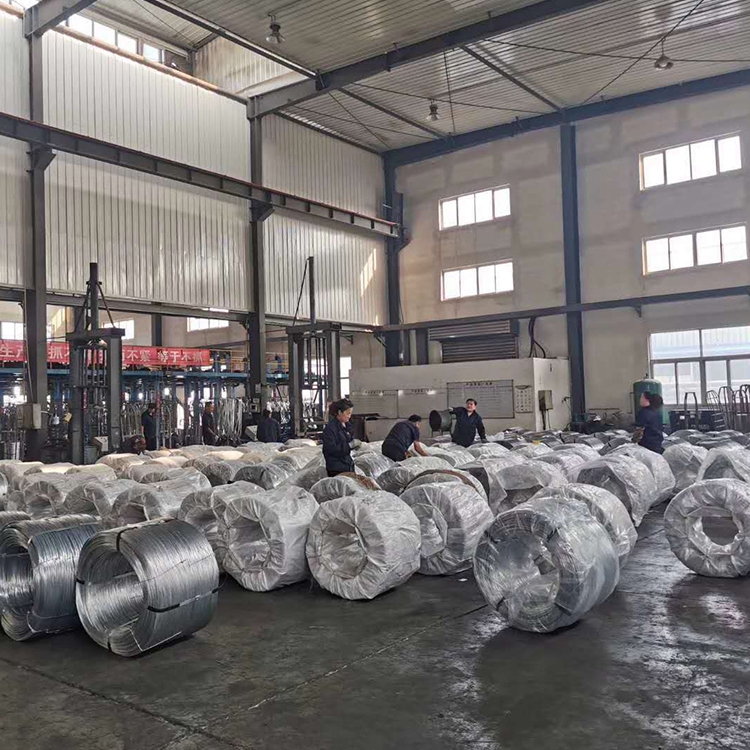
Product Images
Industry Standards and NIST Reference
The National Institute of Standards and Technology (NIST) plays a pivotal role in establishing material standards that ensure product reliability and safety. While NIST does not directly regulate galvanization processes, its research in material science and corrosion testing provides foundational insights for industries. For instance, NIST's work on corrosion testing standards informs best practices for evaluating the performance of galvanized coatings. These standards are critical for manufacturers like Dingzhou Five-Star Metal Wire Mesh MFTY to ensure their products meet global quality benchmarks.
Conclusion
Electro-galvanized steel binding iron wire represents a fusion of advanced material science and industrial utility. Its combination of cost-effectiveness, corrosion resistance, and adaptability makes it indispensable across sectors. As industries continue to prioritize sustainability and efficiency, the demand for such high-performance materials will only grow. By adhering to rigorous standards and leveraging innovations like electro-galvanizing, companies like Dingzhou Five-Star Metal Wire Mesh MFTY are setting new benchmarks in the field of metal products.
References
National Institute of Standards and Technology (NIST). (n.d.). Corrosion Testing and Standards. Retrieved from https://www.nist.gov/publications/corrosion-testing-and-standards


-
Canton Fair 2026-4 in Guangzhou,China
NewsApr.24,2027
-
High Quality Common Nails 1212 for Construction Projects
NewsApr.16,2026
-
The 139th Canton Fair
NewsApr.14,2026
-
Guide to Using Galvanised Common Round Nails for Durable Construction
NewsApr.09,2026
-
Comprehensive Guide to Flat Head Common Nails for Construction Projects
NewsApr.07,2026
-
Understanding the Versatility of the Common Nail 5 5 for Various Applications
NewsApr.04,2026