Durable Chicken Wire Basket Solutions for Sustainable Construction & Environmental Protection
Chicken Wire Basket: More Than Just a Simple Construction Element
At first glance, a chicken wire basket might sound quaint—something from grandma’s backyard or a rural farm. But in the vast global landscape of construction, landscaping, and civil engineering, these mesh cages filled with rocks have quietly cemented their importance. The beauty lies in their simplicity—a few wires, a basket, and a durable filling—which directly addresses massive challenges in erosion control, infrastructure reinforcement, and even humanitarian relief.
Why does this matter on a global scale? According to the United Nations Environmental Programme, half of the world's population lives within 60 km of a coastline, making erosion a worldwide and growing problem, exacerbated by climate change. Structures like chicken wire baskets, often called gabions, offer a low-cost, sustainable, and effective way to mitigate damage from flooding or shifting soils. Honestly, it’s a low-tech solution holding together some of the most vulnerable edges of our world.
Understanding Chicken Wire Baskets: Definition & Core Meaning
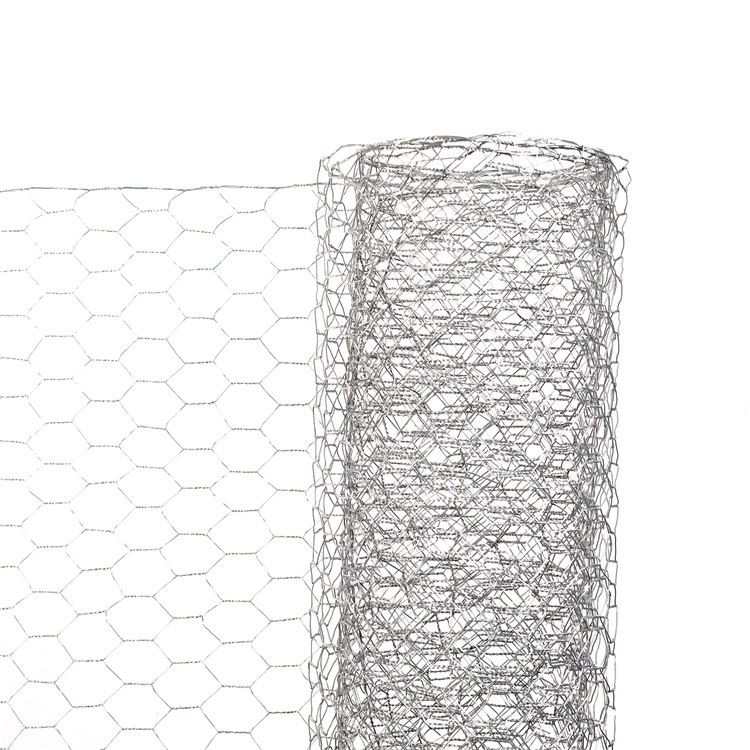
So what exactly is a chicken wire basket? Simply put, it’s a cage made from welded or woven wire mesh—traditionally galvanized steel—that’s filled with stones or other sturdy materials. These baskets, when stacked or arranged, act like giant block walls but with a few unique benefits. Unlike concrete, they breathe, drain, and flex with environmental conditions.
From an industrial perspective, chicken wire baskets are a go-to solution in civil engineering for retaining walls, riverbank protection, drainage structures, and roadway stabilizations. But their utility goes beyond; in humanitarian efforts, they are sometimes used as quick-assembly fortifications or as bases in rapid infrastructure setups. It’s fascinating how a structure so simple can intersect both complex homespun needs and sophisticated industrial demands.
Key Components That Make Chicken Wire Baskets Essential
Durability Against Environmental Stress
These baskets often endure harsh weather, water pressure, and soil movement. The galvanized or PVC-coated steel mesh resists corrosion, which is critical. Without this durability, the whole system fails fast, especially near coastal or humid zones.
Flexibility and Permeability
The cage-like structure allows the basket to flex with ground shifts—oddly enough, that flexibility is a strength rather than a weakness. It prevents catastrophic wall collapse where rigid concrete might crack.
Cost Efficiency & Accessibility
For many regions, especially developing ones, resources are limited. Chicken wire baskets use abundant locally sourced stone, slashing transportation costs and reliance on costly concrete or specialized materials. This democratizes infrastructure and restoration.
Ease of Installation & Scalability
You don’t need a fleet of specialists or heavy equipment to deploy these baskets. They can be installed manually or with minimal machinery, perfect in tight spots or remote areas. Plus, the modular nature means they can be scaled up or down quickly.
Environmental Friendliness
The stone fill and breathable mesh allow vegetation to grow through gaps, creating living walls that stabilize soil naturally over time and support biodiversity.
Customization Potential
Sizes, mesh types, and filling materials can be tailored to suit specific project requirements—ranging from small garden retaining walls to massive flood control systems.
Real-World Applications: Where Chicken Wire Baskets Make a Difference
From the shores of the Mekong Delta in Vietnam to mountainous roadways in the Swiss Alps, chicken wire baskets have proven reliable. They protect eroding riverbanks, stabilize landslides, and prevent flooding in urban areas. NGOs often use them in rapid post-disaster infrastructure rebuilding since they require fewer resources and can be deployed fast.
- Post-Disaster Relief: In flood-prone Bangladesh, modular chicken wire baskets are quickly filled and stacked to direct water flow and protect infrastructure.
- Roadway and Rail Projects: Swiss engineers reinforce steep slopes with these baskets to prevent rock falls and maintain safety.
- Green Urban Design: In Scandinavian cities, filled baskets integrate with landscaping, supporting plants to reduce urban heat and improve aesthetics.
Mini takeaway:
Chicken wire baskets blend adaptability with sustainability — their spread across industries is vast for good reasons.
Advantages & Long-Term Value: Why Choose Chicken Wire Baskets?
Let me cut to the chase. The benefits go beyond simple structure:
- Economic: Lower upfront and maintenance costs compared to traditional concrete retaining walls.
- Environmental: Recyclable materials, enhanced drainage, and encouragement of local ecosystem regrowth.
- Social: The ease of assembly empowers communities to participate in rebuilding rather than relying solely on external help.
- Durability: Can last 50+ years when well maintained, resisting both climate and wear.
People often talk about “the soul” of infrastructure, which sounds strange, but chicken wire baskets manifest that kind of warmth—a tangible trust between human ingenuity and nature’s forces.
Future Trends: Innovations Shaping Chicken Wire Basket Technology
Looking forward, the industry isn’t standing still:
- Materials Science: New polymers and composite coatings are enhancing rust resistance and lifespan beyond the traditional galvanization.
- Automation: Automated filling and stacking systems speed up installation in large projects, especially critical in emergency deployments.
- Green Innovations: Integration with solar harvesting panels or living roofs goes beyond stabilization—supporting renewable energy and biodiversity.
- Smart Monitoring: Embedded sensors track structural integrity in real time, allowing timely maintenance.
Common Challenges & Smart Solutions
Despite all these benefits—and I’ve noticed this firsthand—a few pain points remain:
- Corrosion risks in highly acidic or saline environments: Advanced coatings or stainless steel meshes are recommended to mitigate this.
- Limited load-bearing capacity compared to concrete: Proper engineering and layered installations can address this.
- Ensuring consistent stone quality: Partnering with reliable local quarries is often the best approach.
- Installation training: NGOs and firms increasingly provide hands-on workshops to empower local workers.
Mini takeaway:
With some smart customization and preparation, chicken wire baskets remain a go-to solution rather than an afterthought.
Product Specifications: Typical Chicken Wire Basket Dimensions & Materials
| Specification | Details |
|---|---|
| Material | Galvanized Steel Mesh / PVC-Coated Steel |
| Typical Dimensions | 1m x 1m x 1m (varies by project) |
| Mesh Size | 50mm x 50mm (standard) |
| Weight (empty) | ~15 kg |
| Lifespan | Up to 50 years with proper maintenance |
| Filling Material | Locally sourced stones or gravel |
Vendor Comparison: Who Makes The Best Chicken Wire Baskets?
| Vendor | Material Quality | Customization | Lead Time | Price Range |
|---|---|---|---|---|
| Five Star Metals | Premium galvanized & PVC-coated options | Flexible sizing and mesh types | 2–3 weeks | $$ |
| Global Wireworks | Standard galvanized mesh | Limited customization | 3–4 weeks | $ |
| EcoMesh Solutions | Eco-friendly coated mesh | Custom projects with embedded sensors | 4–6 weeks | $$$ |
FAQ: Common Questions About Chicken Wire Baskets
What types of stones are best for filling chicken wire baskets?
Hard, angular stones like granite or basalt are preferred as they lock together tightly, providing structural integrity. Usually, locally sourced stone is ideal both for cost and ecological reasons. Rounded river rocks aren't recommended as they pack less tightly.
How long can a chicken wire basket wall last in coastal environments?
With standard galvanized steel mesh, you might expect around 15-20 years before corrosion becomes significant. Using PVC-coated or stainless steel mesh can extend lifespan to 40-50 years, depending on maintenance.
Can chicken wire baskets be used for landscaping in residential projects?
Absolutely! They’re often used for garden retaining walls, terraces, or decorative elements. The porous nature promotes plant growth and drainage, making them ideal for sustainable residential landscaping.
Are chicken wire baskets customizable to unique project requirements?
Yes, sizes, mesh gauge, and coating types can be tailored. Some vendors offer modular units designed to fit unusual spaces or load requirements. Discussing needs upfront with suppliers like Five Star Metals can ensure the best outcome.
How do NGOs typically deploy chicken wire baskets in disaster zones?
NGOs often pre-fabricate baskets and train local workers to fill and stack them. Their modularity allows quick deployment. Plus, using local stone cutting costs and time drastically, a crucial factor during emergency relief.
Wrapping Up: Why Chicken Wire Baskets Matter Long-Term
In a world pushing forward with high-tech constructions and fancy materials, it’s sometimes refreshing to realize old-school solutions still pack a punch. Chicken wire baskets combine resilience, sustainability, and accessibility in one neat package. They offer communities and engineers alike a practical tool to fight erosion, stabilize foundations, and create green, living infrastructure—all while staying affordable and surprisingly adaptable.
If you’re thinking about your next sturdy, sustainable project or looking for reliable suppliers, I recommend checking out the solid range from Five Star Metals. Because sometimes the simplest basket holds the weight of the future.
References:


-
Canton Fair 2026-4 in Guangzhou,China
NewsApr.24,2027
-
High Quality Common Nails 1212 for Construction Projects
NewsApr.16,2026
-
The 139th Canton Fair
NewsApr.14,2026
-
Guide to Using Galvanised Common Round Nails for Durable Construction
NewsApr.09,2026
-
Comprehensive Guide to Flat Head Common Nails for Construction Projects
NewsApr.07,2026
-
Understanding the Versatility of the Common Nail 5 5 for Various Applications
NewsApr.04,2026