Durable Chicken Fence Netting for Global Agricultural & Humanitarian Use | Five Star Metals
The Quiet Power of Chicken Fence Netting: Why It Still Matters Globally
Chicken fence netting might sound like something only found in backyard coops or rural farms, but in reality, it holds a surprisingly significant place worldwide. Whether it’s protecting livestock, securing perimeters, or even assisting in humanitarian efforts, this humble mesh plays a vital role. Understanding chicken fence netting isn't just about poultry containment — it’s about durability, sustainability, and sometimes, even life-saving protection.
Chicken Fence Netting in a Global Context
According to recent UN reports, the world’s agricultural sectors employ various fencing methods to enhance livestock management and maintain biosecurity. Chicken fence netting is a cost-effective solution embraced across continents—from the vast rural landscapes of Sub-Saharan Africa to intensive poultry farms in Southeast Asia.
Globally, small farmers face constant challenges: predators, disease containment, and land demarcation. Chicken fence netting offers practical solutions to these pressing problems. Industry experts often stress how netting helps reduce livestock losses by up to 30%, a pretty compelling stat when you’re talking about sustaining food security and income for millions.
Mini takeaway: Chicken fence netting is more than a farm accessory; it’s a global tool for agricultural sustainability and protection.
What Exactly is Chicken Fence Netting?
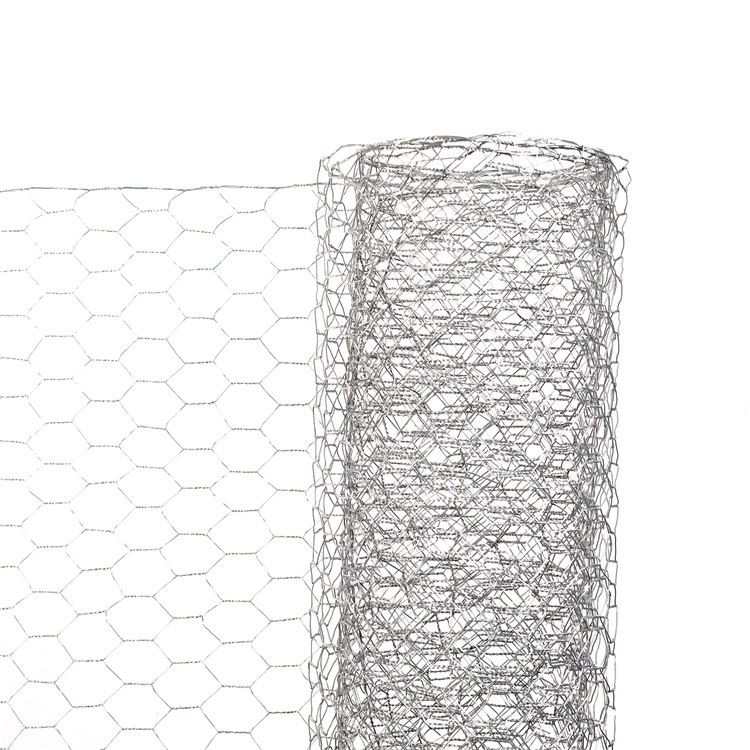
At its core, chicken fence netting is a woven mesh made of galvanized steel or sometimes coated wire, designed with a hexagonal pattern. Think of it as a lightweight, flexible barrier strong enough to keep chickens safe from predators, yet breathable enough to allow air and light through.
While its primary purpose is poultry security, modern designs extend its use to garden fencing, erosion control, and even makeshift barriers in humanitarian relief zones. The link between chicken fence netting and contemporary industry lies in its versatility — it’s got the flexibility to adapt to numerous needs, all while remaining cost-effective and durable.
Key Factors to Consider in Chicken Fence Netting
1. Durability
Chicken fence netting is often exposed to weather extremes—rain, sun, snow—you name it. Manufacturers use galvanized steel or PVC-coated wire to prevent rust and degradation. Durability translates directly to a longer lifespan, minimizing replacement frequency and saving money in the long run.
2. Flexibility & Scalability
Because netting comes in rolls, it can easily be cut and molded around various terrains or structures. This adaptability means you can start small and scale large without much hassle. For NGOs in disaster zones, this is crucial.
3. Cost Efficiency
Compared to brick walls or heavy metal fences, chicken fence netting is a budget-friendly solution that still offers effective containment and protection. It’s responsible spending where every dollar counts.
4. Ease of Installation
Setup can be relatively quick with basic tools — a plus for farmers and relief workers alike. Even untrained hands can manage a basic enclosure in just hours.
5. Environmental Impact
Many modern nets use recyclable materials and coatings that limit chemical runoff. They're a more sustainable choice than plastic alternatives or heavier metal barriers that require more energy to produce and install.
| Specification | Typical Range | Notes |
|---|---|---|
| Material | Galvanized Steel / PVC Coated Wire | Resistance to rust and corrosion |
| Mesh Size | 12mm to 50mm Hexagonal Openings | Depends on required containment level |
| Roll Length | 10m to 50m | Varies by supplier |
| Wire Thickness | 0.7mm to 2mm | Thicker wire = more toughness |
| Weight | 300 - 1200 g/m² | Indicates density and strength |
Mini takeaway: Not all chicken fence netting is created equal; material choice, mesh size, and wire thickness are vital for matching the product to the job.
Who Uses Chicken Fence Netting Around the World?
If you picture rural Africa, Southeast Asia, or parts of South America, you’d see chicken fence netting as a frontline defense against predators like foxes, snakes, or wild birds—ensuring food security and income for smallholder farmers.
In North America and Europe, larger farms benefit from this netting to contain poultry before they move into more industrial setups. But it trickles down to urban gardeners too, protecting hobby farms and backyard coops.
Relief organizations also use chicken fence netting in post-disaster scenarios. For instance, after floods displace communities, setting up quick poultry enclosures helps maintain livelihoods, ensuring families can rebuild sustainably.
Advantages & Long-Term Value Beyond the Fence
- Cost Savings: Low upfront cost and longevity translate into real budget relief.
- Sustainability: Many nets are made from recyclable materials, holding less environmental footprint.
- Safety & Dignity: Keeping poultry safe means steady nutrition and income—a basic but profound social impact.
- Flexibility: Adaptable to various terrains and farming scales.
- Innovation: Coatings and wire treatments resist corrosion and extend life.
Looking Ahead: Innovations in Chicken Fence Netting
The industry isn’t resting either. We see increasing interest in smart fencing—think integration of sensors and cameras—to monitor livestock remotely. The use of biodegradable coatings or recycled plastics is also on the rise, speeding up the push toward greener farming solutions.
Automation in installation tools means even faster setup for large projects. Additionally, some vendors now combine chicken fence netting with solar-powered lighting or pest deterrents, which is pretty clever synergy when you think about it.
Challenges and How Experts Suggest Overcoming Them
Of course, no product is perfect. For chicken fence netting, these challenges mainly center on physical damage (from animals or sharp tools), UV degradation in harsh climates, and theft in some regions. Experts recommend:
- Using UV-resistant coatings and thicker wire grades where climate demands it.
- Training locals in maintenance and repair techniques.
- Pairing netting with secure locking mechanisms, especially in theft-prone zones.
That way, even if the occasional fox or environmental wear chips away, the netting stays functional — and farmers keep their livelihoods intact.
Vendor Comparison Table: Picking the Right Supplier
| Vendor | Material Quality | Price Range (per Roll) | Delivery Speed | Customization Options |
|---|---|---|---|---|
| Five Star Metals | Galvanized, PVC coated | $50 - $80 | 1-2 weeks | Yes, mesh size & wire thickness |
| GreenFence Corp | Basic galvanized steel | $40 - $70 | 2-3 weeks | Limited |
| AgroTech Supplies | Galvanized, zinc-iron alloy | $55 - $90 | 1-2 weeks | Yes, mesh pattern & coatings |
Frequently Asked Questions About Chicken Fence Netting
Can chicken fence netting be used for other animals?
Absolutely! While designed for poultry, farmers commonly use it for rabbits, small livestock, and garden protection. The key is choosing the right mesh size and wire thickness based on what you want to contain.
How long does chicken fence netting typically last outdoors?
With galvanized or PVC coatings, expect 5 to 10 years depending on climate conditions and maintenance. Harsh environments like salty coastal areas might reduce lifespan, so opt for thicker coatings there.
Is it safe and easy to install for small-scale farmers?
Yes, one of chicken fence netting’s best features is the ease of installation. Even farmers with minimal tools can set it up quickly, often in a day or less.
Can chicken fence netting help in humanitarian relief?
Definitely. Fast deployment of enclosures helps displaced families protect poultry, a vital protein source and income, especially after disasters. Netting is lightweight and easy to transport, which is crucial for emergency response.
Where can I find customized chicken fence netting to fit specific needs?
Vendors like Five Star Metals offer customizable mesh sizes, wire thicknesses, and coating options tailored to your application.
Wrapping It Up: Why Chicken Fence Netting Is a Wise Investment
In an industry often obsessed with high-tech solutions, chicken fence netting is a reminder that simple, well-engineered products can make a huge impact. It’s cost-effective, adaptable, and plays a quiet but crucial role in global food security and rural resilience. If you’re thinking about secure poultry management or efficient, low-cost fencing, chicken fence netting is a classic — yet evolving — choice worth considering.
Curious to explore more? Visit us at Five Star Metals for a wide range of specialty netting designed to keep your project secure and sustainable.
References


-
Canton Fair 2026-4 in Guangzhou,China
NewsApr.24,2027
-
High Quality Common Nails 1212 for Construction Projects
NewsApr.16,2026
-
The 139th Canton Fair
NewsApr.14,2026
-
Guide to Using Galvanised Common Round Nails for Durable Construction
NewsApr.09,2026
-
Comprehensive Guide to Flat Head Common Nails for Construction Projects
NewsApr.07,2026
-
Understanding the Versatility of the Common Nail 5 5 for Various Applications
NewsApr.04,2026