Chicken Wire Fence: Durability, Applications, & Global Benefits | FiveStar Metals
Understanding the Chicken Wire Fence: More than Just a Farm Classic
Chicken wire fence — it’s a term that might evoke images of quaint backyard coops or rustic farmyards. Yet, this humble product has woven itself into the very fabric of global agriculture, disaster relief, and sustainable infrastructure. Oddly enough, its simple, woven hexagonal pattern solves complex problems worldwide. From protecting farms in remote regions to securing perimeters in humanitarian camps, the chicken wire fence quietly plays a huge role. Let's unpack why getting to know this fencing innovation is unexpectedly important in today’s interconnected industries.
Global Context: Why Chicken Wire Fence Matters Across Borders
According to the United Nations Food and Agriculture Organization (FAO), over 570 million farms exist worldwide, many small-scale and family-run. The demand for affordable, durable fencing solutions that safeguard livestock with minimal investment is ongoing. Chicken wire fences fill that need efficiently by being lightweight, versatile, and easy to produce (source: FAO, 2022). But beyond farms, they’re helping tackle bigger challenges: securing perimeters in refugee settlements or protecting ecological reserves from poaching.
In regions grappling with land disputes, surge in animal theft, or fragile ecosystems, robust fencing isn’t just practical — it’s often a matter of survival and dignity. Yet, finding fencing that’s scalable, cost-effective, and environmentally considerate remains a problem. I noticed most fencing options in developing zones don’t hit all these marks, which is why the chicken wire fence strikes a delicate balance globally.
What Exactly Is a Chicken Wire Fence?
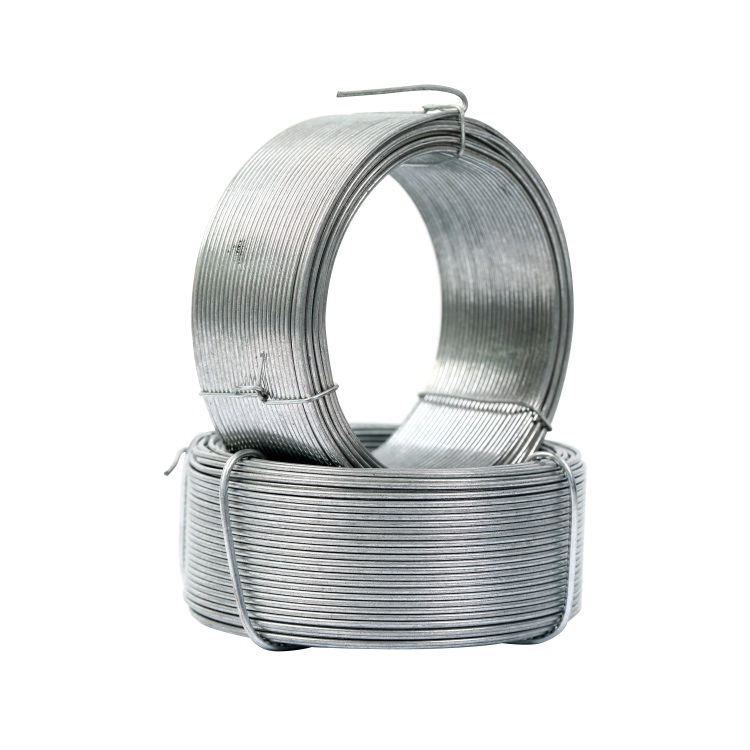
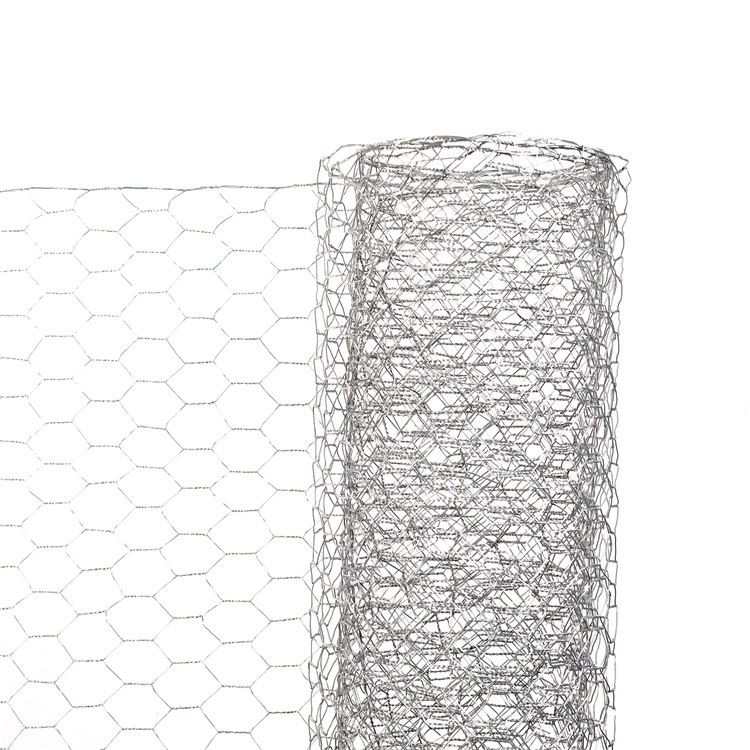
Simply put, a chicken wire fence is a mesh fence made from galvanized steel wire, woven into a hexagonal pattern. This creates a flexible, yet sturdy, barrier commonly used to enclose poultry but also other small animals, gardens, and even as a structural reinforcement in construction. The flexibility lets it adapt to uneven ground — practical for farms and rugged terrains alike.
Interestingly, it’s not just about corralling animals. The industrial and humanitarian sectors rely on chicken wire fences for secure enclosures because they offer a lightweight, transport-friendly option that can be assembled quickly. Its connection to modern industry is subtle but important, especially where temporary and modular fencing solutions are needed.
Key Factors to Consider in Chicken Wire Fence
Durability That Withstands Time and Elements
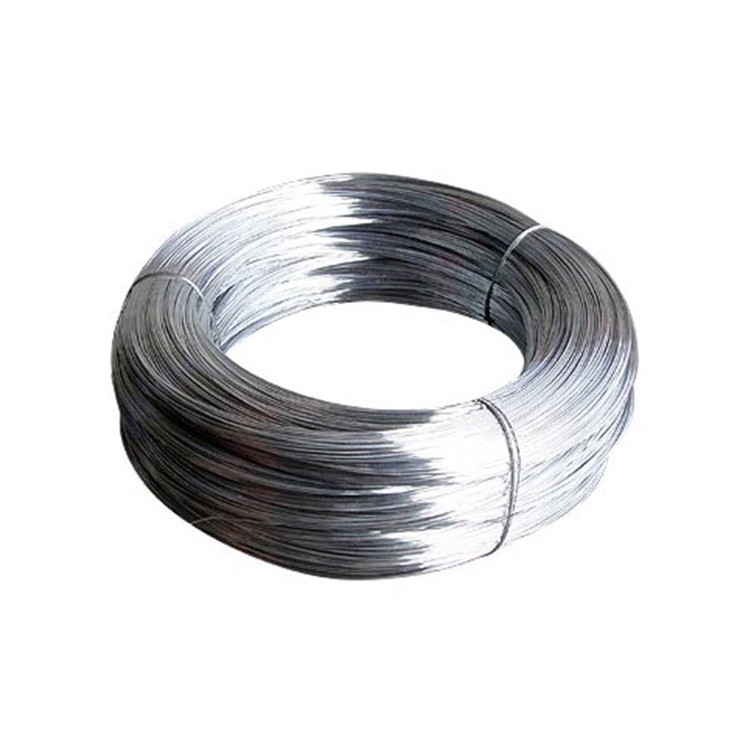
Chicken wire fence is typically galvanized, offering rust resistance and longer lifespan even outdoors. This means it can weather rains, sun, and cold while continuing to provide a reliable barrier. For many, durability is the first gateway to long-term cost savings.
Flexibility and Scalability
The mesh design is flexible — it bends rather than breaks, perfect for uneven plots or irregular shapes. Plus, it scales easily from small backyard coops to extensive industrial compound fencing without a redesign.
Cost Efficiency and Accessibility
Raw materials and manufacturing are relatively inexpensive compared to other fencing types, making it widely affordable. This feature makes it especially popular in resource-limited areas or among small-scale farmers.
Ease of Installation and Maintenance
Virtually any user with basic tools can install chicken wire fence. Its repair or reconfiguration demands minimal effort — very handy if you’re adapting fencing for different seasons or purposes.
Environmental Friendliness
Because it uses less metal than solid fences and can last for many years, it tends to be a greener option. Some manufacturers now use recycled steel or eco-friendly galvanizing processes, further reducing environmental impact.
Real-World Applications: Where Chicken Wire Fence Truly Shines
It’s commonplace on farms globally, but the chicken wire fence is equally crucial in:
- Disaster Relief Camps: In post-disaster settings (think cyclone-hit Southeast Asia), NGOs use chicken wire fences to quickly demarcate safe zones and animal pens for displaced families.
- Wildlife Conservation Areas: Countries like Kenya and India install them to protect endangered species’ habitats while keeping human interference minimal.
- Urban Community Gardens: City dwellers create small-scale fences to safeguard crops from pests and stray animals, reinforcing local food security.
- Industrial Zones: Temporary fencing in mine sites or construction areas often relies on modular chicken wire fences for fast installation and removability.
In many rural parts of South America and Africa, chicken wire fencing is more than just agriculture — it’s about community resilience and food sovereignty.
Mini takeaway:
Chicken wire fence’s versatility enables applications beyond farms — from disaster zones to ecological projects — demonstrating how a simple technology adapts to varied global needs.
Advantages & The Long-Term Value of Choosing Chicken Wire Fence
- Cost-Effective Protection: The initial investment is low, and upkeep costs are minimal. Over time, owners save significantly on repairs versus more rigid fencing systems.
- Sustainability: Many manufacturers now incorporate eco-conscious practices, and the fence’s longevity reduces waste.
- Emotional Impact: Farmers and relief workers alike appreciate the sense of security and dignity a sturdy fence brings, protecting livelihoods and lives.
- Trustworthiness: Because the technology is proven, users often say it “just works,” which matters when you’re guarding something precious.
Product Specifications at a Glance
| Specification | Typical Value | Notes |
|---|---|---|
| Material | Galvanized Steel Wire | Rust-resistant coating |
| Mesh Size | 1 inch (25mm) Hexagonal | Standard for poultry and small animals |
| Wire Diameter | 19 gauge (1.0 mm) | Balance of strength and flexibility |
| Roll Lengths | 25m or 50m Rolls | Easy transport and storage |
| Weight | 2.5 - 4 kg per 10m | Lightweight for manual handling |
| Lifespan | 5 - 15 years | Depends on environment & maintenance |
Comparing Leading Vendors in Chicken Wire Fence Manufacturing
| Vendor | Core Strength | Global Reach | Eco Initiatives | Customization |
|---|---|---|---|---|
| FiveStar Metals | High tensile galvanized wire | Asia, Africa, Latin America | Uses recycled steel, low-C zinc coating | Multiple mesh sizes and lengths |
| AgroWire Inc. | Budget-friendly standard wire | North America and Europe | Limited eco-friendly options | Standard sizes only |
| GreenMesh Solutions | Premium galvanized and powder-coating | Europe, Australia | 100% recycled steel, solar-powered plants | Fully customizable rolls and coatings |
Future Trends & Innovations in Chicken Wire Fence Technology
Looking forward, the fence market is quietly embracing green innovation. Sustainable materials, like recycled steels and biodegradable coatings, are gaining traction to reduce the sector’s carbon footprint. I suppose it’s a sign manufacturers realize that “simple” doesn’t mean “stale.” Digital transformation is creeping in too — automated production lines use AI-driven quality control to minimize defects, improving reliability.
There’s also interest in integrating solar-powered sensors into fencing products, especially for conservation areas, to detect breaches or animal movements remotely. Sort of a “smart chicken wire fence,” if you will. And while copper or alternative metals are still niche, the ongoing search for better, rust-proof, and safe materials continues.
Challenges and Practical Solutions
Of course, chicken wire fence isn’t perfect. It can be vulnerable to predators capable of squeezing through small gaps and isn’t ideal for large or aggressive animals. Rust remains a concern especially where galvanizing is subpar, reducing overall lifespan. Installation in rocky or highly uneven terrain sometimes demands supplementary support posts, which adds time and cost.
Experts recommend thorough site prep and combining chicken wire with electric fencing or hardware cloth to improve protection. New coatings and galvanized processes are addressing corrosion faster than before. And pre-fabricated modular fencing systems (with chicken wire mesh inside frames) are making installation quicker and sturdier.
FAQ: Your Chicken Wire Fence Questions Answered
- How long does a chicken wire fence typically last outdoors?
- With good quality galvanized wire and standard environmental exposure, expect 5 to 15 years. Harsh climates or poor maintenance can shorten this significantly, so repainting or touch-ups help extend life.
- Can chicken wire fences keep larger predators out?
- Primarily designed for small animals, it’s not highly effective against larger predators. For extra security, pairing with electric fencing or solid panels is recommended depending on threat levels.
- Is chicken wire fence recyclable?
- Yes. Since it’s mostly steel, chicken wire is recyclable and many manufacturers now incorporate recycled metal in production. This helps reduce environmental impact and promotes sustainability.
- How can NGOs source chicken wire fences for rapid deployment?
- Many vendors offer bulk orders with expedited shipping, especially those specializing in disaster relief materials. Contacting suppliers like FiveStar Metals ensures reliable quality and fast logistics support.
- Are there customizable options available for different climates or uses?
- Absolutely. Thickness, mesh size, and coating type can be tailored to specific needs — from tropical humid areas needing extra corrosion resistance to colder zones requiring added tensile strength.
Wrapping It Up: Why Chicken Wire Fence Remains Relevant
Ultimately, the chicken wire fence doesn’t just corral poultry; it anchors safety, trust, and sustainability across farms and communities worldwide. Its blend of affordability, practicality, and adaptability means it will keep holding down those frontline roles in agriculture, relief efforts, and conservation for many years.
If you want reliable, environmentally responsible fencing solutions that have proven their worth in diverse conditions, look no further than a trusted chicken wire fence supplier. For a deep dive into available products and custom options, do visit FiveStar Metals — they’re among the best in balancing quality with global accessibility.
Sometimes the simplest solutions really are the best, wouldn’t you agree?
References


-
Canton Fair 2026-4 in Guangzhou,China
NewsApr.24,2027
-
High Quality Common Nails 1212 for Construction Projects
NewsApr.16,2026
-
The 139th Canton Fair
NewsApr.14,2026
-
Guide to Using Galvanised Common Round Nails for Durable Construction
NewsApr.09,2026
-
Comprehensive Guide to Flat Head Common Nails for Construction Projects
NewsApr.07,2026
-
Understanding the Versatility of the Common Nail 5 5 for Various Applications
NewsApr.04,2026