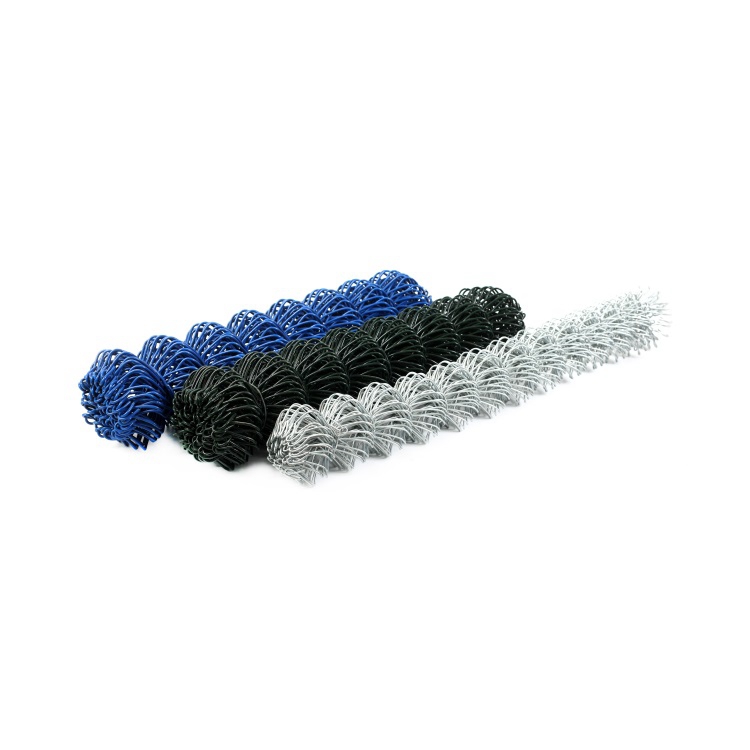
Chain Link Fence Screen: Durable Privacy & Security Solutions Worldwide
Understanding Chain Link Fence Screen: A Vital Element in Modern Fencing Solutions
Chain link fence screens are more than just a method to enhance privacy or improve aesthetics—they represent an essential component in security, environmental control, and even social well-being across many sectors worldwide. From bustling urban centers to remote industrial sites, understanding the nuances of chain link fence screens is vital for businesses, governments, and communities aiming to balance cost, durability, and effectiveness.
Why Chain Link Fence Screens Matter Globally
Globally, fencing needs are evolving in light of heightened security awareness and urban development pressures. According to data from the United Nations Environment Programme, urban areas are expanding at unprecedented rates, putting pressure on infrastructure such as fencing to be adaptable and sustainable. Chain link fence screens help address concerns such as trespassing, privacy, and environmental protection, making them invaluable worldwide. Frankly, these screens manage not only physical barriers but social boundaries as well, which is odd if you think about it.
What Is a Chain Link Fence Screen?
Simply put, a chain link fence screen is a fabric-like mesh affixed to a traditional chain link fence to obstruct visibility, reduce wind, or add security. Usually made from knitted polyethylene or a similar material, these screens clip onto the fence framework, transforming a see-through structure into a visual barrier. They are closely connected to modern needs for privacy in residential and commercial zones, as well as for containing dust and debris in construction or industrial environments.
Core Components and Key Factors of Chain Link Fence Screens
1. Durability
Chain link fence screens are designed to withstand various weather conditions without fading or tearing easily. High-density polyethylene (HDPE) materials ensure resilience against UV rays and moisture, which is crucial for fencing meant to last years outdoors.
2. Scalability and Adaptability
Whether it’s a small backyard fence or a large industrial perimeter, chain link fence screens come in various sizes and configurations. They can be cut to size or combined in larger panels to suit nearly any fence dimension—a boon for contractors and planners alike.
3. Cost Efficiency
Compared to solid fencing or other privacy solutions, screens offer a cost-effective upgrade without the heavy lifting. Installation is straightforward, and they can be affixed to existing fences without major modifications.
4. Aesthetic and Functional Variety
With a variety of colors and mesh densities, these screens can be tailored for different purposes—privacy, wind reduction, or just that extra splash of style.
5. Environmental and Social Benefits
By controlling dust, reducing noise, and enhancing privacy, these screens improve community quality of life while contributing to safer work environments in industrial settings.
Product Specification Table: Typical Chain Link Fence Screen
| Feature | Specification |
|---|---|
| Material | High-Density Polyethylene (HDPE) |
| UV Resistance | Yes, up to 10 years exposure |
| Thickness | 180 GSM (grams per square meter) |
| Color Options | Black, Green, Tan, Blue |
| Wind Reduction | Up to 70% |
| Roll Length | 50 ft (15.24 m) |
| Roll Width | 3.5 ft (1.07 m), 6 ft (1.83 m), 12 ft (3.66 m) |
Global Applications & Use Cases
Chain link fence screen is surprisingly versatile. In post-disaster relief operations, NGOs use these screens to create safer, more private temporary encampments, shielding vulnerable populations from outside observers. Oddly enough, the same screens find a home in remote industrial zones managing dust control, where breathable fences safeguard both workers and equipment. Municipalities in Europe and North America often employ them for noise reduction near highways and sports facilities.
For instance, in California’s wildfire-prone zones, chain link fence screens are used around construction sites to prevent ash and dust spread, helping communities maintain air quality. Meanwhile, in Dubai’s booming construction sector, these screens serve dual roles—privacy for high-profile projects and wind protection to improve worker safety.
Vendor Comparison: Chain Link Fence Screen Providers
| Feature | FiveStar Metals | ScreenTec Industries | FenceGuard Solutions |
|---|---|---|---|
| Material Quality | HDPE, premium UV stabilized | Polypropylene, UV resistant | HDPE, moderate UV treatment |
| Roll Sizes | 3.5 ft to 12 ft width | 4 ft and 6 ft widths only | 3 ft to 10 ft widths available |
| Lead Time | Standard 5-7 days | 10-14 days | 7-10 days |
| Price Range | $$ (mid-range) | $ (budget) | $$$ (premium) |
| Customization | Supported on request | Limited color options | Extensive custom prints available |
Advantages & Long-Term Value of Chain Link Fence Screens
It’s easy to overlook the emotional side of what this product delivers. Beyond practical benefits like wind defense and dust control, chain link fence screens offer lasting safety, privacy, and a sense of dignity—especially in places like schools or refugee camps. Economically, they reduce maintenance cost by protecting fences and adjoining areas, and their sustainable materials mean a lesser environmental footprint.
Trust is deeply linked to how a property feels and is perceived. Using a chain link fence screen can upgrade the aura of professionalism and care, subtly but effectively.
Future Trends & Innovations
Looking ahead, the sector is nudging towards eco-friendly materials, such as recycled polymers and biodegradable fabrics. Manufacturers are experimenting with self-cleaning coatings and solar integration—imagine fences that generate energy or repel dust autonomously. Also, smart sensors embedded in screens could monitor breaches or damages, tying into broader digital security ecosystems. It feels like we’re on the edge of a fencing revolution.
The Challenges & Solutions in Chain Link Fence Screen Use
Despite their versatility, fence screens face challenges like fading in intense sun or damage from vandalism. However, innovations in UV stabilizing additives and tear-resistant weaving are reducing these issues significantly. Installation can sometimes be tricky with irregular fence shapes, but adjustable fastening systems are an elegant fix. Custom orders are pricier, yet worth the investment for complex needs.
FAQs About Chain Link Fence Screen
- Q: How long does a typical chain link fence screen last outdoors?
A: Most high-quality screens last 5 to 10 years when exposed to the elements, thanks to UV protection and robust materials. Maintenance, such as cleaning and re-tensioning, can extend their lifespan. - Q: Can I install a chain link fence screen on my existing fence without professional help?
A: Yes. Many screens come with easy-to-use clips or zip ties, allowing homeowners or workers with basic skills to secure them without special tools. - Q: Are chain link fence screens eco-friendly?
A: Traditionally, they’re made of synthetic polymers, but recycled materials and biodegradable options are increasingly available, reducing environmental impact. - Q: Can these screens reduce noise as well as provide privacy?
A: Yes, denser mesh screens can reduce noise levels by breaking wind flow and absorbing sound, though they are not a complete soundproof barrier.
Conclusion
Chain link fence screens represent a practical, economical, and versatile upgrade to traditional fencing. They extend beyond mere fencing enhancements to address privacy, environmental control, security, and even emotional well-being. For anyone considering fencing solutions, looking into chain link fence screen options could very well be the best decision you make this year. For detailed product lines and expert consultancy, visit our website at FiveStar Metals.
Mini takeaway: Chain link fence screens are quietly transforming fencing from basic barriers into multi-purpose assets across the globe.
References


-
Canton Fair 2026-4 in Guangzhou,China
NewsApr.24,2027
-
High Quality Common Nails 1212 for Construction Projects
NewsApr.16,2026
-
The 139th Canton Fair
NewsApr.14,2026
-
Guide to Using Galvanised Common Round Nails for Durable Construction
NewsApr.09,2026
-
Comprehensive Guide to Flat Head Common Nails for Construction Projects
NewsApr.07,2026
-
Understanding the Versatility of the Common Nail 5 5 for Various Applications
NewsApr.04,2026