Chain-Link Fence: Durable, Affordable, and Versatile Fencing Solutions Worldwide
Chain-Link Fence: Understanding Its Global Relevance and Benefits
Chain-link fence — it might not be glamorous, but it’s undeniably everywhere. Whether securing a construction site, enclosing a park, or even marking boundaries between countries, this humble fencing solution has carved a niche that's both significant and surprisingly complex. Why does it matter globally? Because it addresses critical issues like security, affordability, and adaptability, which are essential for growing and changing communities worldwide.
Introduction: The Global Importance of Chain-Link Fence
Across the globe, approximately 1.2 billion people live in urban areas that are rapidly expanding, according to recent data from the United Nations. Urbanization brings opportunities, sure — but also challenges, especially concerning safety and infrastructure management. This is where chain-link fences come in: they offer a practical, cost-efficient barrier solution adapted to many environments. Whether it’s protecting schools, industrial zones, or neighborhoods, the chain-link fence responds to growing safety demands without breaking municipal budgets.
Oddly enough, their simple design belies the impact they have on urban planning and humanitarian efforts alike — in refugee camps, disaster zones, or fragile ecosystems, these fences often play critical roles.
What Is a Chain-Link Fence?
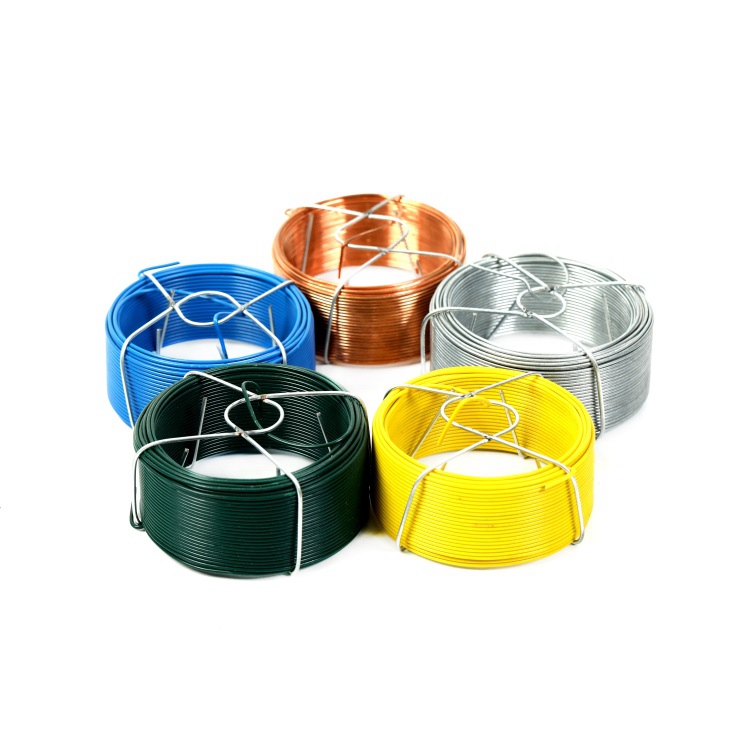
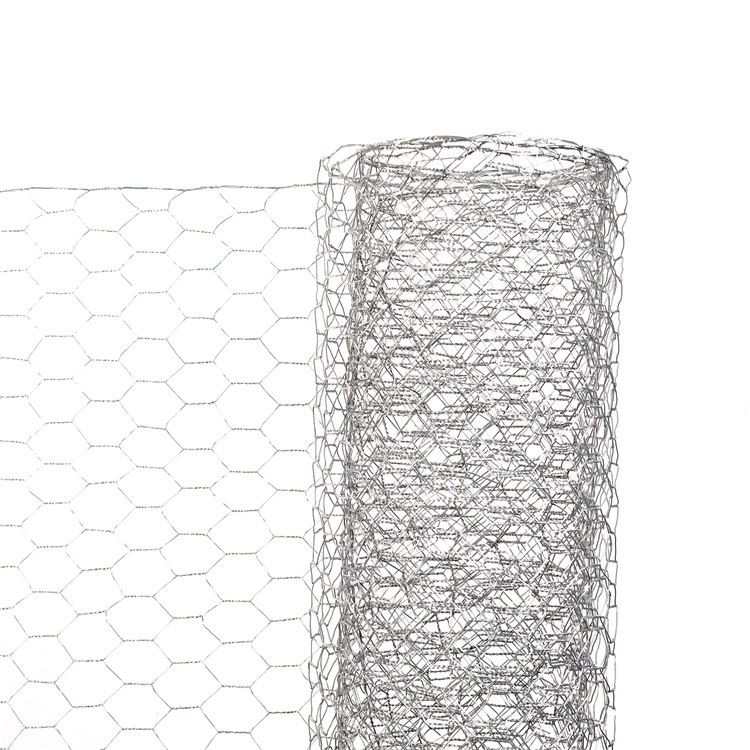
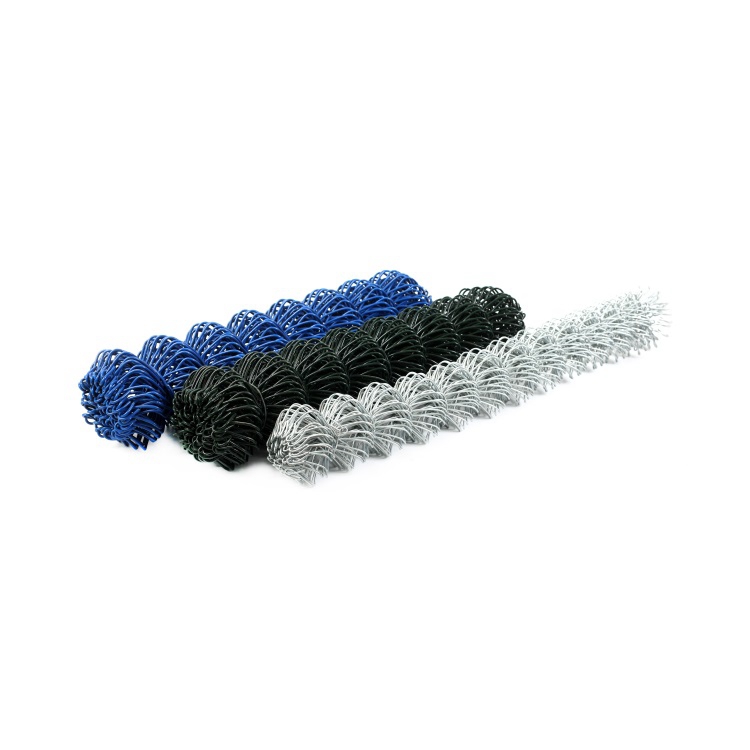
Simply put, a chain-link fence consists of woven steel wire forming a diamond-shaped mesh, stretched across vertical posts to create a flexible but resilient barrier. It’s sometimes known as wire-mesh fence or cyclone fence. The steel wire is usually galvanized or coated with vinyl for enhanced durability against corrosion.
This fencing’s connection to modern industry and humanitarian aid isn’t just about blocking entry — it’s about creating practical zones of control and safety. For example, NGOs install chain-link fences around aid distribution points to manage large crowds safely and efficiently.
Key Components and Factors to Consider
Durability
One of the biggest selling points: chain-link fences hold up remarkably well over time, even in harsh environments. Galvanization protects steel wires from rust, while vinyl coatings add another weather-resistant layer.
Scalability
Need 50 meters or 5 kilometers? Chain-link fences scale easily—the mesh itself can be rolled out and linked section by section. This makes it ideal for everything from small residential yards to large industrial complexes.
Cost Efficiency
Compared with other fencing solutions like solid panel fences or brick walls, chain-link fences are distinctly affordable—both in materials and installation. This cost-effectiveness is what keeps them popular globally.
Security Level
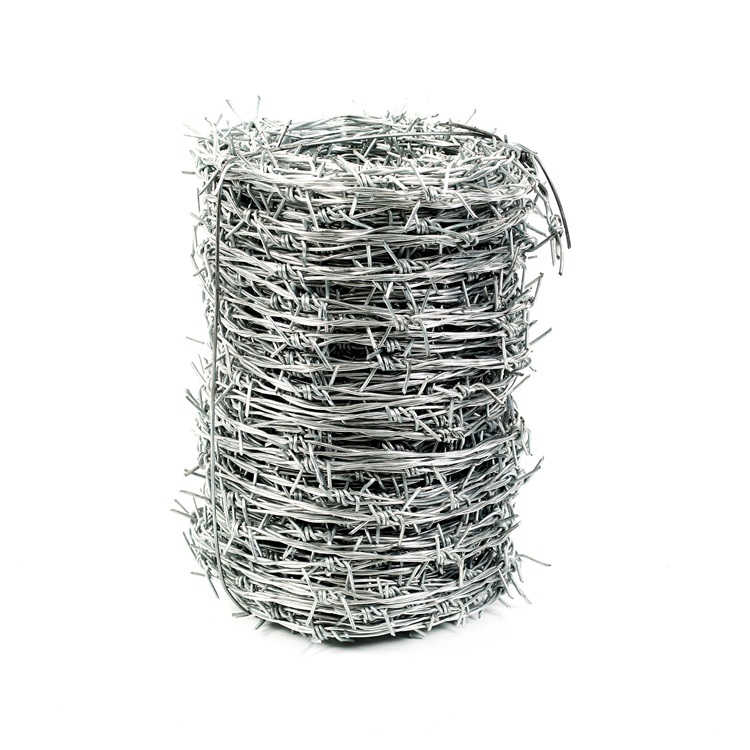
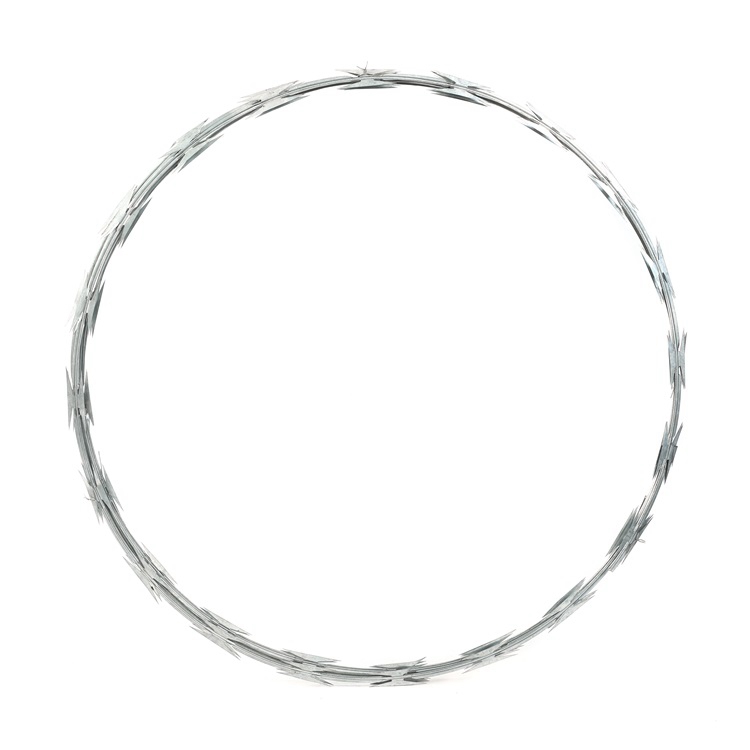
Though not impregnable, the fence acts as a reliable deterrent. Add barbed or razor wire on top for heightened security in sensitive locations like prisons or military bases.
Maintenance
These fences require minimal upkeep—occasional cleaning and inspections are usually sufficient, especially if the wires are coated.
Product Specifications at a Glance
| Specification | Typical Value | Notes |
|---|---|---|
| Wire Gauge | 9-11 gauge (approx. 2.7-3.7 mm) | Varies with security requirements |
| Mesh Size | 50 mm (2 inches) diamond | Standard for most applications |
| Height | 1.2m - 4.0m (4-13 feet) | Customizable for security needs |
| Coating | Galvanized, Vinyl coated | Protects from corrosion |
| Post Spacing | 2.5 to 3 m (8-10 feet) | Depends on terrain and height |
Mini Takeaway: The durability, customization, and minimal maintenance of chain-link fences make them a practical choice worldwide.
Global Applications and Use Cases
Chain-link fences are popular across diverse sectors and continents. For instance:
- Urban Security: Cities in Europe and North America use them around schools, playgrounds, and sports fields.
- Industrial Facilities: In Asia and South America, they enclose factories and warehouses, aiding safety and theft prevention.
- Humanitarian Efforts: Refugee camps and disaster relief zones often deploy chain-link fencing to organize living spaces and protect aid stores.
- Wildlife Conservation: Certain African and Australian projects use them to demarcate protected areas and prevent poaching.
Take remote mining operations in Canada — chain-link fences secure valuable equipment and restrict unauthorized access, without the need for expensive permanent structures.
Chain-link fence solutions thus exhibit flexibility across climates and cultures, demonstrating their international significance.
Vendor Comparison: What Sets Suppliers Apart?
| Feature | FiveStar Metals | Competitor A | Competitor B |
|---|---|---|---|
| Coating Quality | Hot-dip Galvanized & Premium Vinyl | Standard Galvanized | Vinyl Coated, thinner layer |
| Customization Options | Wide Range (sizes, colors, security) | Limited | Moderate |
| Lead Time | 2-3 weeks | 4-6 weeks | 3-5 weeks |
| Environmental Certifications | ISO 14001 Certified | None | Local Certifications only |
| Warranty Period | 10 years | 5 years | 7 years |
Advantages and Long-Term Value of Chain-Link Fence
Beyond just a physical barrier, the chain-link fence offers:
- Affordability: Long lifespan paired with low upfront and maintenance costs means better value over decades.
- Sustainability: Many manufacturers (including FiveStar Metals) use recycled steel and environment-friendly galvanization processes.
- Safety & Community Trust: In schools or neighborhoods, the fences contribute to peace of mind without isolating spaces.
- Versatility: Easily adapted for temporary or permanent use, with options to add cameras, lighting, or barbed wire.
The emotional pull here is subtle but important: it’s about building spaces where people feel safe, respected, and connected.
Emerging Trends and Innovations in Chain-Link Fence Technology
We're witnessing a few exciting developments in this age-old product category:
- Smart Fencing Solutions: Integration of sensors and cameras for automated access control.
- Eco-Friendly Materials: Biodegradable coatings and zero-VOC paints to reduce environmental footprints.
- Modular & Rapid Deployment Designs: Accelerating setup in disaster zones or military bases.
- Enhanced Corrosion Resistance: New alloys and treatments that triple lifespan.
Challenges and How Experts Are Tackling Them
Chain-link fences do come with a few drawbacks worth noting. For instance, they don’t provide visual privacy and can be cut with the right tools. However, modern solutions include:
- Adding privacy slats or fabric inserts.
- Incorporating alarm and monitoring systems.
- Using thicker, hardened steel wire varieties.
Experts suggest combining chain-link fences with technology and smart design approaches to create integrated security systems that work efficiently without massive budgets.
FAQs About Chain-Link Fence
- How long does a typical chain-link fence last?
- A quality galvanized and vinyl-coated chain-link fence can last from 15 to 30 years depending on environmental exposure and maintenance.
- Can chain-link fences be customized for different applications?
- Absolutely. Height, wire gauge, coating, and added security features like barbed wire or electrification can be tailored to meet specific requirements.
- Are chain-link fences environmentally friendly?
- Many manufacturers now use recycled steel and eco-conscious coatings in production, minimizing environmental impact.
- Is it possible to install a chain-link fence quickly in emergency situations?
- Yes. Modular designs and rapid-assembly kits allow deployment within days — ideal for disaster-relief or temporary security.
Conclusion: Why Chain-Link Fencing Remains Worth Considering
Chain-link fences might not catch your eye like a stone wall or a hedge, but they offer unmatched practical benefits globally. Their durability, cost efficiency, and versatility make them vital in everything from urban security to humanitarian aid. If you’re exploring fencing solutions for your project or organization, looking into trusted suppliers like FiveStar Metals could be a good place to start.
That’s the quiet but powerful legacy of the chain-link fence: humble yet indispensable.
Thanks for sticking with me through this detailed look! I suppose, next time you walk past one, you might appreciate its story a little more.
References


-
Canton Fair 2026-4 in Guangzhou,China
NewsApr.24,2027
-
High Quality Common Nails 1212 for Construction Projects
NewsApr.16,2026
-
The 139th Canton Fair
NewsApr.14,2026
-
Guide to Using Galvanised Common Round Nails for Durable Construction
NewsApr.09,2026
-
Comprehensive Guide to Flat Head Common Nails for Construction Projects
NewsApr.07,2026
-
Understanding the Versatility of the Common Nail 5 5 for Various Applications
NewsApr.04,2026