Chain Link Fence Diamond Wire Mesh: Durable Security Solutions for Global Needs
Chain Link Fence Diamond Wire Mesh: An Essential Modern Solution
Chain link fence diamond wire mesh might sound like an industrial afterthought, but it’s actually a hugely significant product in global infrastructure and security. Why does it matter? Well, you’ll find this kind of mesh in everything from secure housing compounds to sprawling industrial complexes, and even humanitarian relief zones. Understanding what it is and how it performs can unlock better decisions on safety, durability, and cost — all crucial in today’s interconnected world.
Global Context: Why Chain Link Fence Diamond Wire Mesh Matters
Globally, fences are some of the simplest but most important tools for boundary control and security. The World Bank estimates that infrastructure projects involving fencing and enclosure systems have grown by over 15% in emerging markets in the last decade, mostly because of rising urbanization and the need for secure zones. Interestingly, chain link fence diamond wire mesh is often the preferred method because of its balance between cost and durability.
One big challenge that this product addresses is providing strong security in a way that’s fast to deploy and flexible to use — especially in regions prone to rapid change like disaster-stricken areas or emerging industrial hubs. Its diamond-shaped pattern isn’t just aesthetic; it’s crucial to stability and resilience under pressure.
What Is Chain Link Fence Diamond Wire Mesh?
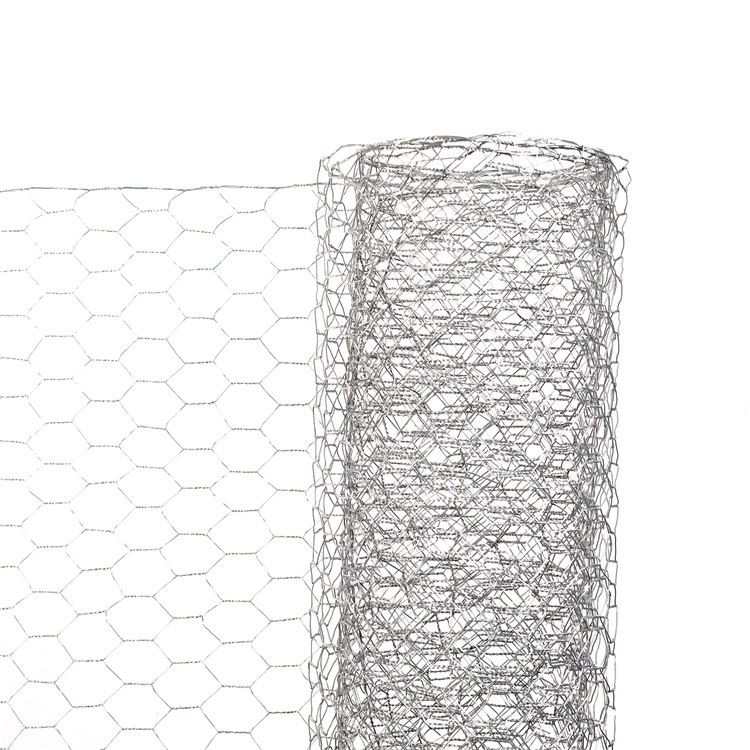
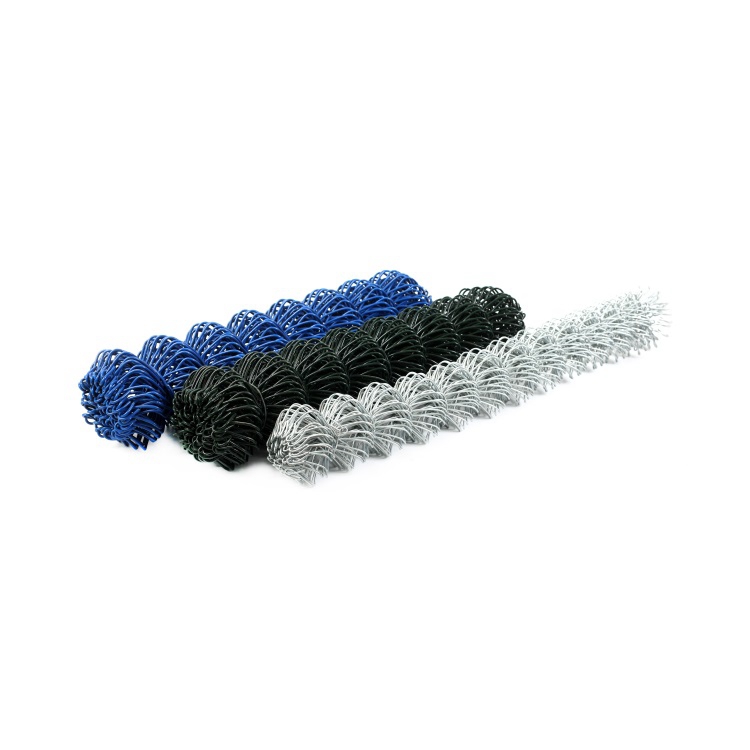
Put simply, chain link fence diamond wire mesh is a woven fencing product made from galvanized or coated steel wire. The wires interlock in a repeating diamond pattern, creating a flexible but form-retaining mesh panel. This makes it ideal for fencing because it can expand or contract slightly while maintaining strength.
In modern industry, this mesh is vital for security perimeters, containment, and even temporary enclosures in humanitarian operations. For example, relief agencies rely on this mesh to quickly set up safe zones or protect critical supplies after natural disasters.
Key Features of Chain Link Fence Diamond Wire Mesh
Durability
The steel wires are typically galvanized or PVC-coated, protecting against corrosion and weather exposure. This means installations last long even in harsh environments — something engineers value highly.
Scalability & Flexibility
The mesh rolls easily, allowing for quick unrolling and assembly on site — regardless of terrain complexity. You can tailor fence heights, tension, and post spacing to your needs.
Cost Efficiency
Of course, compared to concrete walls or brick fences, this wire mesh is budget-friendly. It combines strong physical properties with ease of installation, reducing labor costs.
Visibility & Safety
The diamond mesh pattern is open enough to allow visibility. This helps in surveillance and discourages intrusions simply by maintaining a clear sightline.
Maintenance
Once installed, upkeep is pretty minimal, mainly occasional rust inspections if non-galvanized wire is used. Repairs are simple too — just replace individual panels or segments.
Chain Link Fence Diamond Wire Mesh Product Specifications
| Specification | Typical Value |
|---|---|
| Wire Diameter | 2.0 - 4.0 mm |
| Mesh Opening Size | 50 x 50 mm to 75 x 75 mm |
| Coating | Galvanized or PVC coated |
| Roll Width | 0.9 m to 2.4 m |
| Roll Length | 10 - 30 meters |
| Breaking Strength | > 750 N/mm² (typical steel wire) |
Vendor Comparison: Choosing the Right Provider
| Vendor | Coating Options | Lead Time | Customization | Price Range |
|---|---|---|---|---|
| Five Star Metals | Galvanized, PVC | 1-2 weeks | Yes, various gauges and mesh sizes | $$ |
| Global Fence Co. | Galvanized only | 2-4 weeks | Limited customization | $ |
| SafeNet Supplies | Galvanized, PVC, and Powder Coated | 3-5 weeks | Extensive customization | $$$ |
Global Applications & Use Cases
The versatility of chain link fence diamond wire mesh is really striking when you look at its worldwide applications. In the United States, it’s standard for residential and commercial site security. In rapidly urbanizing regions like Southeast Asia or parts of Africa, NGOs utilize it to quickly deploy protective barriers around refugee camps or emergency medical zones.
Industrial zones in remote locations, like mining operations in South America, often rely on diamond mesh fencing to maintain perimeter security against both wildlife and trespassers. Oddly enough, it’s also used in aviation facilities to prevent unauthorized access, thanks to its combination of durability and good visibility.
Overall, you’ll see the chain link fence diamond wire mesh everywhere there’s a need for reliable, affordable security with rapid setup.
Advantages & Long-Term Value
- Cost-effective — When budgets matter, this fencing often outshines brick or stone walls on both upfront and maintenance costs.
- Environmental adaptability — Its corrosion-resistant coatings mean it holds up in rainy, coastal, and industrial environments.
- Safety & Visibility — Allows for monitoring without obstructing views, helping deter intrusion with a clear line of sight.
- Social Impact — In humanitarian settings, it’s a dignified way to create safe, fenced communities quickly, preserving privacy without imposing harsh barriers.
Future Trends & Innovations
There’s some really interesting innovation bubbling beneath the surface. Manufacturers are experimenting with more eco-friendly coatings — bio-based PVC alternatives and advanced galvanization technology with longer lifespans. Digitally, some firms are integrating smart sensors into fencing for real-time security monitoring, linking the mesh to cloud-based alert systems.
Automation also plays a role — automated fencing machines help produce wire mesh faster and with more consistency, reducing costs and boosting availability globally.
Challenges & Solutions
Of course, no product is perfect. Chain link fence diamond wire mesh sometimes struggles with vandalism or unauthorized cutting in high-risk zones. However, technical fixes like harder steel alloys or integrated alarms can help mitigate these risks.
Also, some environments with extreme corrosion risks may require more frequent maintenance, which is where new coating technologies step in. I recently spoke with engineers who stress the importance of selecting the right wire gauge and coating for specific climates — it’s not one size fits all.
Frequently Asked Questions About Chain Link Fence Diamond Wire Mesh
- How long does chain link fence diamond wire mesh typically last?
- With proper galvanized or PVC coatings and regular checks, it can last 15-30 years depending on the environment. Coastal or industrial areas may require more maintenance.
- Can this fencing be customized for unique site needs?
- Yes, vendors often offer options for wire thickness, mesh size, and coating types to match security levels, budget, and environmental factors.
- Is chain link fence diamond wire mesh suitable for temporary enclosures?
- Absolutely. Its lightweight rolls and simple installation make it ideal for temporary or semi-permanent fencing, especially in disaster relief or event management.
- What maintenance does this wire mesh require?
- Routine inspections for wear and rust and repairing damaged panels will keep it structurally sound. In most cases, maintenance is minimal if corrosion-resistant materials are used.
- Where can I buy quality chain link fence diamond wire mesh?
- You can explore suppliers like Five Star Metals, which offer a broad range of options and customization. Look for vendors that comply with ISO standards for galvanized steel.
Conclusion
Chain link fence diamond wire mesh is one of those quietly essential products that supports everything from global security infrastructure to rapid humanitarian response. Its affordability, flexibility, and durability make it a smart choice for projects big and small. Sick of fencing that doesn’t last or is hard to install? This mesh type often feels like the practical answer.
If you want to explore options or learn more, please visit our website: chain link fence diamond wire mesh for a thorough selection of products and expertise.
So, next time you see a diamond-shaped fence, consider the many layers of thought and engineering behind it...
References


-
Canton Fair 2026-4 in Guangzhou,China
NewsApr.24,2027
-
High Quality Common Nails 1212 for Construction Projects
NewsApr.16,2026
-
The 139th Canton Fair
NewsApr.14,2026
-
Guide to Using Galvanised Common Round Nails for Durable Construction
NewsApr.09,2026
-
Comprehensive Guide to Flat Head Common Nails for Construction Projects
NewsApr.07,2026
-
Understanding the Versatility of the Common Nail 5 5 for Various Applications
NewsApr.04,2026