The Same Product And Company, The Different Quality and Service!

Nov . 26, 2025 17:30
Back to list
Durable Wire Mesh Chicken Cages for Efficient Poultry Farming | Five Star Metals
Wire Mesh Chicken Cages: Why They Matter Beyond the Farm
Wire mesh chicken cages might sound like a niche agricultural product, but their impact echoes far beyond the humble backyard coop. These structures have become a quiet backbone of poultry farming globally, supporting food security, sustainable farming, and even humanitarian efforts. At their core, wire mesh chicken cages improve poultry welfare, increase farming efficiency, and help farmers meet growing demands — and if you dig a little deeper, they even touch on issues of public health, economic development, and environmental stewardship. Understanding their design and deployment isn't just for the farmer next door; it’s relevant for NGOs, food industries, and policymakers worldwide.The Global Stage: Why Wire Mesh Chicken Cages Are So Relevant Today
The poultry sector accounts for roughly 35% of the world’s total meat production according to the UN Food and Agriculture Organization (FAO), and it’s growing fast, especially in Asia and Africa.[1] Here, wire mesh chicken cages have emerged as a scalable solution to manage growing flocks practically and safely. However, the intense demand brings challenges: disease containment, animal welfare, and environmental concerns have never been more critical. Wire mesh chicken cages help address these by improving airflow, sanitation, and ease of monitoring, which traditional coops often lack. Consider rural communities in sub-Saharan Africa where backyard poultry is a diet staple and income source. Wire mesh cages provide a way to protect flocks from predators and disease, while also facilitating small-scale commercial production. The stakes are high. As climate change pressures farming conditions and populations soar, the importance of these cages shifts from just ‘good to have’ to a necessity. They’re an unseen, but vital piece of sustainable food systems.What Exactly Are Wire Mesh Chicken Cages?
In simplest terms, wire mesh chicken cages are enclosures made from interconnected metal wires, forming a grid or mesh that houses chickens securely. They vary in size and design but share a common purpose: to contain poultry safely while allowing ventilation, light penetration, and ease of cleaning. Think of them as both a barrier and a habitat, engineered for efficiency and practicality. Their 'wire mesh' structure differentiates them from solid wooden or concrete coops — a feature that reduces moisture buildup and disease risk. Plus, wire mesh cages play a key role in modern poultry farming by enabling automated feeding, monitoring health, and facilitating management at scale. They also align neatly with humanitarian initiatives, like in disaster zones or refugee camps, where local poultry farming supports nutrition and income.Key Components That Make These Cages Tick
Durability
Strong steel or galvanized wire mesh forms the skeleton, resisting rust and damage from harsh weather. This longevity means farmers don’t keep replacing cages every few months — a significant cost saver.Ventilation
The mesh design acts as a natural airflow system. Proper ventilation cuts down ammonia buildup from waste, a known health hazard for chickens and workers alike.Scalability
From small backyard models to large industrial crates, wire mesh chicken cages come in modular forms. This means you can start small and expand without a full redesign.Cost Efficiency
While initial costs may seem steep compared to wooden coops, the reduced labor, improved health outcomes, and longer usable life make wire mesh cages more economical over time.Ease of Maintenance
They’re easy to clean and sanitize, a critical factor in disease control — plus, many designs allow for quick disassembly and mobility.Animal Welfare
Good cages balance confinement with comfort. Wire mesh offers firm footing and visibility, letting chickens behave more naturally than in solid-walled alternatives.
Mini Takeaway: Wire mesh chicken cages blend strength, ventilation, and adaptability, making them indispensable tools in modern poultry farming across diverse environments.
Wire Mesh Chicken Cages in Real Life: Global Applications and Use Cases
Around the world, these cages show up in varied contexts. In Southeast Asia, smallholder farmers use them to boost egg production and control disease spread in dense populations. In the U.S. and Europe, wire mesh designs are integral to cage-free and enriched cage systems that meet animal welfare regulations.[2] In humanitarian scenarios—let’s say post-disaster relief after a flood or earthquake—NGOs distribute portable wire mesh chicken cages to displaced families. These enable quick reintroduction of poultry farming, which supports nutrition and income while communities rebuild. Remote industrial zones, too, rely on such cages to limit wildlife interactions and minimize losses. For commercial poultry businesses, wire mesh cages are often paired with automated feeding, water systems, and waste management, driving efficiency. Even urban agriculture enthusiasts contribute by using wire mesh coops to sustainably raise poultry in limited spaces.Product Specification Table: Typical Wire Mesh Chicken Cage
| Feature | Specification | Notes |
|---|---|---|
| Material | Galvanized Steel Wire (18-20 gauge) | Rust resistant; durable |
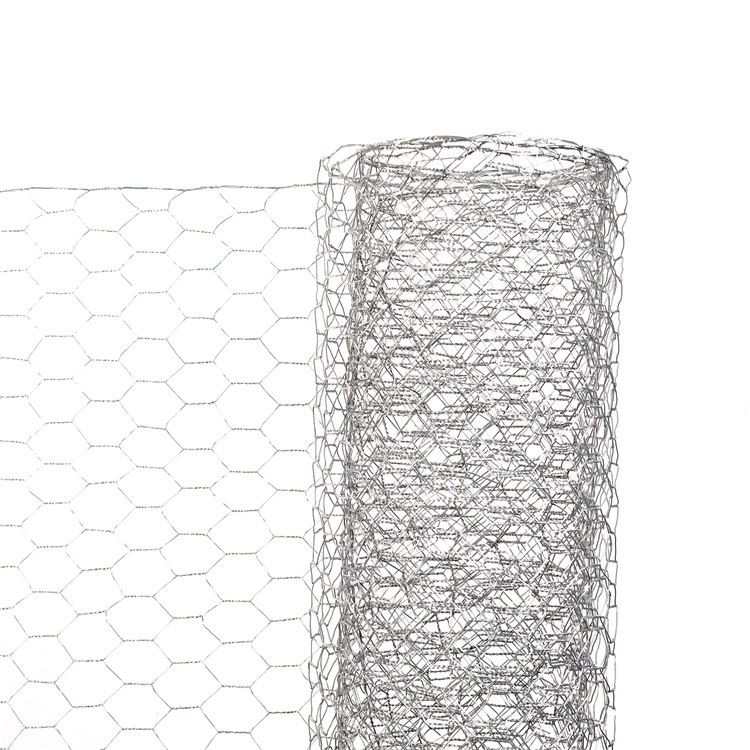
| Mesh Size | 1 x 1 inch (25mm x 25mm) | Optimized for ventilation, predator protection |
| Dimensions | 4 ft. (L) x 2 ft. (W) x 2.5 ft. (H) | Suitable for 4–6 chickens |
| Weight Capacity | Up to ~35 kg | Supports multiple birds comfortably |
| Features | Removable trays, hinged doors, modular stackability | Aids cleaning & space optimization |
Comparing Wire Mesh Chicken Cage Suppliers: What to Look For
Not all wire mesh cages are created equal. Depending on your needs — say, rural vs. commercial, or tropical vs. temperate climates — your ideal supplier differs. Here’s a simplified comparison of three hypothetical vendors to illustrate the key factors you should weigh.| Vendor | Product Range | Customization | Warranty | Price Range |
|---|---|---|---|---|
| FarmSteel Co. | Standard & modular cages | Limited sizes and fittings | 3 years | $$ |
| AgroMesh Ltd. | Wide range incl. automated feeders | High customization on size & materials | 5 years | $$$ |
| EcoCoops International | Eco-friendly cages using recycled metal | Moderate, focus on green options | 4 years | $$$ |
The Tangible Benefits of Wire Mesh Chicken Cages: Why Invest?
Wire mesh chicken cages consistently deliver on multiple fronts:- Cost savings: Lower mortality rates, reduced labor, and longevity make these cages financially smart.
- Sustainability: Improved waste management and ventilation reduce environmental impact.
- Health & animal welfare: Ventilated cages mean fewer respiratory diseases and better comfort, which translates to better productivity.
- Social impacts: Enabling small farmers and communities to sustain livelihoods.
- Trust & innovation: Using modern cage designs signals professionalism and commitment to best practices.
Spotlight on Innovation: What’s Next for Wire Mesh Chicken Cages?
The industry isn’t standing still. There’s growing interest in:- Smart cages: Sensors that monitor temperature, humidity, and even chicken activity, feeding data into farm management systems.
- Eco-materials: Biodegradable or recycled wire composites aiming to reduce steel consumption.
- Automation-friendly designs: Integration with robotic feeders and cleaning units.
- Energy efficiency: Solar-powered ventilation or lighting to assist in remote locations.
Facing Challenges Head-On: What’s Holding Us Back?
No product is perfect. Common issues include: rust in humid conditions, initial purchase costs, or difficulties in transporting heavy cages to remote areas. Yet, suppliers and engineers collaborate to innovate coatings, modular lightweight frames, and leasing options for affordability. Another limitation is animal welfare criticism around cage confinement. Increasingly, designs incorporate enrichments such as perches or nesting spaces to address this — acknowledging a future where ethics and efficiency must go hand in hand.FAQs: Common Questions About Wire Mesh Chicken Cages
Q1: How long do wire mesh chicken cages typically last?A1: With proper maintenance, galvanized wire mesh cages can last 5 to 10 years or more. Rust and weathering are biggest threats, but rust-resistant coatings and regular cleaning extend lifespan significantly. Q2: Can these cages be used in all climates?
A2: Generally yes. Wire mesh allows excellent ventilation in hot climates but may require windbreaks or covers in cold, windy regions to protect birds from chill. Q3: Are wire mesh cages easy to clean?
A3: Absolutely. Most cages feature removable trays and doors to access interior surfaces, making waste removal and disinfection straightforward and efficient. Q4: Do wire mesh cages improve disease control?
A4: They can reduce airborne pathogens through better ventilation and facilitate isolation of sick birds, lowering contagion risks compared to closed coops. Q5: How customizable are these cages?
A5: Highly customizable, depending on vendors. You can often choose size, mesh gauge, door types, and integrated features such as feeders or watering systems.
Wrapping It Up: Why Wire Mesh Chicken Cages Remain a Smart Choice
Wire mesh chicken cages represent a quiet revolution in poultry farming — blending sturdy design, animal welfare, and operational efficiency globally. They meet the expanding need for safe, affordable, and scalable poultry housing, while adapting to challenges from climate to consumer expectations. For anyone in the business of poultry farming or related relief and development work, these cages are a resource to explore. Looking for reliable, durable wire mesh chicken cages tailored to your needs? Visit our website for solutions that match your scale, climate, and budget requirements.
References:
1. FAO, "World Poultry Meat Production," Food and Agriculture Organization, 2023.
2. ISO 24116:2018, Animal welfare standards (cage-free poultry), International Organization for Standardization.
3. United Nations Environment Programme (UNEP), "Sustainable Livestock Farming," 2022.
1. FAO, "World Poultry Meat Production," Food and Agriculture Organization, 2023.
2. ISO 24116:2018, Animal welfare standards (cage-free poultry), International Organization for Standardization.
3. United Nations Environment Programme (UNEP), "Sustainable Livestock Farming," 2022.
Share


Latest news
-
Canton Fair 2026-4 in Guangzhou,China
NewsApr.24,2027
-
High Quality Common Nails 1212 for Construction Projects
NewsApr.16,2026
-
The 139th Canton Fair
NewsApr.14,2026
-
Guide to Using Galvanised Common Round Nails for Durable Construction
NewsApr.09,2026
-
Comprehensive Guide to Flat Head Common Nails for Construction Projects
NewsApr.07,2026
-
Understanding the Versatility of the Common Nail 5 5 for Various Applications
NewsApr.04,2026