Understanding Chain Link Temporary Fence: Global Uses, Benefits & Innovations
Chain Link Temporary Fence: A Vital Solution in Global Security and Logistics
Chain link temporary fences might not be the flashiest topic, but they hold a surprisingly pivotal role worldwide. Whether securing construction sites, managing crowd control at big events, or assisting in humanitarian crises such as refugee camps, these fences offer a blend of durability, flexibility, and cost-efficiency. Understanding them means recognizing how a relatively simple technology impacts safety, logistics, and even social dignity on a global scale.
Global Context: Why Chain Link Temporary Fence Matters
It’s odd how often something as straightforward as a temporary fence can reflect bigger challenges in urban growth, disaster response, and industrial development. The United Nations estimates that by 2050, nearly 68% of the world’s population will live in urban areas—this growth naturally calls for more secure, flexible perimeter solutions. Meanwhile, ISO standards increasingly touch on safety barriers, including fencing, underscoring the need for quality assurance in these products.
Chain link temporary fences answer a very basic yet pressing problem: how to create reliable, movable security perimeters quickly, without the fuss or permanence of concrete walls or permanent steel barriers. Imagine a city under development or a relief zone after a natural disaster—here, fencing can literally mean the difference between chaos and controlled, safe environments.
What Is a Chain Link Temporary Fence?
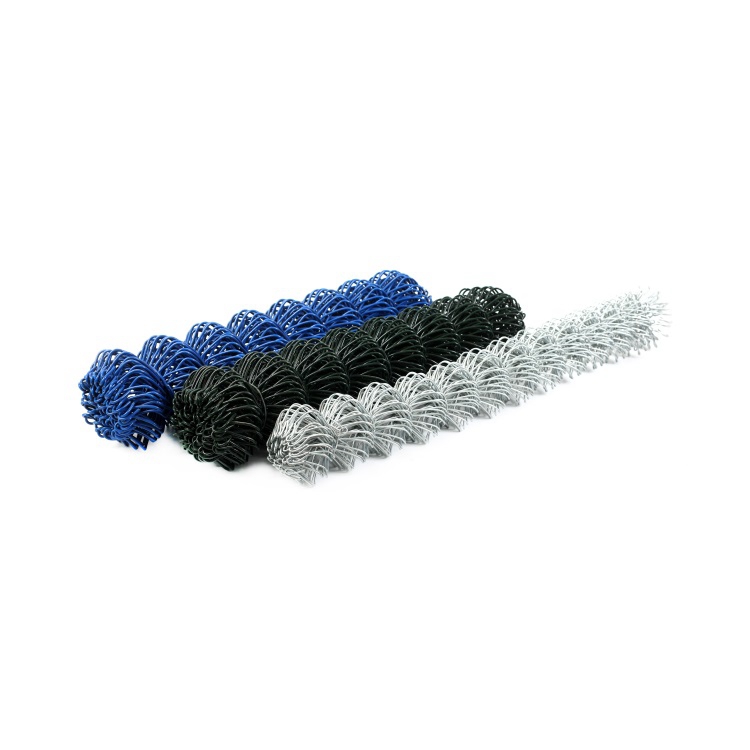
Simply put, a chain link temporary fence is a modular fence made from interwoven galvanized steel wires forming a diamond-shaped mesh, mounted on vertical posts and connected with clamps or ties. Unlike permanent fencing, these are designed for quick assembly, disassembly, and relocation. They connect a physical boundary to human needs—whether to protect people, property, or project sites. Its industrial roots combine with humanitarian demands for speed and flexibility.
Core Components of Chain Link Temporary Fence
Durability
These fences usually feature galvanized or PVC-coated steel wire, granting resistance to rust and weather extremes. Frankly, seeing one withstand monsoon rains or dusty deserts is impressive and critical for long-term deployment.
Scalability
Modularity is key—panels can be added or removed easily to cover a few meters or an entire construction site perimeter. This makes it incredibly scalable for diverse uses.
Cost Efficiency
Compared to permanent fencing, chain link temporary fences are a budget-friendly security option. Materials, transport, and installation costs stay relatively low, especially important in large-scale or temporary projects.
Portability and Ease of Installation
The parts are lightweight and standardized, enabling rapid setup and teardown—sometimes within hours—using minimal tools and equipment. This is a lifesaver for emergency responders and event organizers alike.
Adaptability
Whether flat ground, uneven terrain, or temporary urban zones, the fence can be configured to fit, sometimes with optional accessories like privacy screens or stabilizing feet.
Global Applications & Use Cases
In North America and Europe, chain link temporary fences secure construction zones, ensuring worker safety and public protection. Meanwhile, in post-disaster regions like Southeast Asia, NGOs depend on these fences to demarcate refugee camps, preventing unauthorized access and promoting orderly aid distribution.
Mining companies in remote industrial zones in Africa also rely on these fences to secure their operations with minimal environmental footprint. Even large-scale sporting events globally deploy temporary fencing to manage crowd flow and emergency access points.
Mini takeaway: The versatility across industries and geographies showcases why chain link temporary fencing is far from a niche product.
Advantages & Long-Term Value
- Cost-Effective Security: Minimizes expense while maximizing protection.
- Sustainability: Reusable panels reduce waste compared to one-off barricades.
- Social Impact: Enhances safety and order in vulnerable communities.
- Reliability: Proven robustness under harsh environmental conditions.
- Innovation: Manufacturers are continually improving coatings and joint mechanisms.
In real terms, the emotional reassurance these fences provide—security, predictability, respect—cannot be overstated, especially in crisis zones where so much feels uncertain.
Looking Ahead: Trends and Innovations
Environmental consciousness is driving the use of recycled materials in manufacturing chain link fences. Companies experiment with biodegradable coatings or UV-resistant polymers to extend life span sustainably. Digital integration, such as attaching RFID tags for inventory and deployment tracking, hints at automation’s role in the near future.
There’s also a growing preference for “smart fencing” solutions combining traditional chain link with sensors for intrusion detection, tying physical security to digital alerts—quite the leap from just wire mesh!
Challenges & Solutions
Common issues include stability on uneven or sloping sites and vulnerability to vandalism or forced entry. Manufacturers are addressing these with adjustable base plates, heavier-duty fence ties, and anti-climb coatings or designs.
Logistical hurdles remain, especially in remote or conflict-affected areas, but modular, lightweight designs help overcome transport and assembly delays. Overall, continual product improvement backed by field experience ensures evolving resilience.
Product Specification Table
| Specification | Typical Value |
|---|---|
| Material | Galvanized steel wire (PVC coating optional) |
| Wire Gauge | 11 to 9 gauge (2.76 to 3.76 mm) |
| Panel Dimensions | 2 m height x 3 m width (standard) |
| Mesh Size | 50 mm diamond pattern |
| Post Diameter | 48 mm tubular steel post |
| Installation Time | Typically 2-4 hours per 100 m (team of 3) |
Vendor Comparison Table
| Vendor | Material Quality | Customization Options | Price Range | Delivery Time |
|---|---|---|---|---|
| Five Star Metals | Galvanized & PVC coated | Privacy screens, height variants | $$ | 2-3 weeks |
| SecureFence Corp | Galvanized only | Standard panels | $ | 1-2 weeks |
| Global Fence Solutions | High-grade galvanized with green coating | Custom branding, mesh sizes | $$$ | 3-4 weeks |
Frequently Asked Questions About Chain Link Temporary Fence
- How quickly can a chain link temporary fence be installed?
- With a small skilled team and standard panels, setting up around 100 meters can take as little as 2 to 4 hours. The modular design and lightweight materials make rapid deployment realistic even for urgent needs.
- Can these fences withstand harsh weather conditions?
- Yes. Galvanized steel wire, often with PVC coating, helps resist corrosion and damage from rain, sun, or wind, allowing fences to perform well outdoors for several years.
- Are privacy screens available for these fences?
- Absolutely. Many suppliers offer attachable mesh or fabric privacy screens, which are ideal for construction sites or sensitive areas where hiding activities or shielding wind/dust is desirable.
- What are the common uses beyond construction sites?
- Besides industrial use, chain link temporary fences serve functions in event management, disaster relief camps, security zones for infrastructure projects, and environmental protection areas.
- How can I source chain link temporary fences internationally?
- Working with vendors experienced in export like Five Star Metals can simplify import logistics, customs, and freight arrangements. Many firms maintain global supply chains to meet project demands worldwide.
Conclusion
Chain link temporary fences sit at the intersection of practicality, adaptability, and global need. They offer a tangible, cost-effective solution that supports safety, order, and dignity across industries and countries. Want to secure your project or event with quality fencing? Visit Five Star Metals to explore options tailored for your needs. It’s a small investment with enormous potential impact.
Mini takeaway: Sometimes, the simplest tools bear the greatest weight in safety and social stability worldwide.
References:
1. United Nations, World Urbanization Prospects, 2018 Revision.
2. ISO 3189:2011, Safety Barriers for Road Traffic.
3. Wikipedia contributors, “Chain-link fence,” Wikipedia, The Free Encyclopedia.


-
Canton Fair 2026-4 in Guangzhou,China
NewsApr.24,2027
-
High Quality Common Nails 1212 for Construction Projects
NewsApr.16,2026
-
The 139th Canton Fair
NewsApr.14,2026
-
Guide to Using Galvanised Common Round Nails for Durable Construction
NewsApr.09,2026
-
Comprehensive Guide to Flat Head Common Nails for Construction Projects
NewsApr.07,2026
-
Understanding the Versatility of the Common Nail 5 5 for Various Applications
NewsApr.04,2026