High-Quality Galvanized Square Wire Mesh for Industrial Use
Why Choose Good Quality Galvanized Square Wire Mesh?
I’ve been around the industrial equipment sector long enough to spot the subtle differences that aren’t immediately obvious when you first look at galvanized square wire mesh. It’s that dependable stalwart of fencing, filtration, and reinforcement jobs, but frankly, not all wire mesh is created equal. The quality of galvanization, the uniformity of the mesh openings, and the thickness of the wires can make a real difference in longevity and effectiveness.
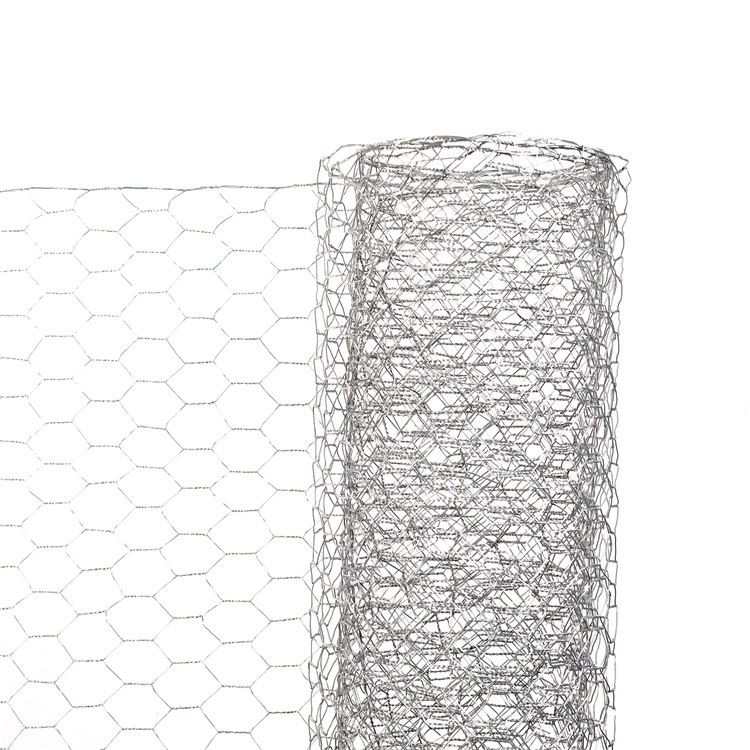
Galvanized square wire mesh, for those who might be new, is essentially steel wire coated with a layer of zinc to prevent rust and corrosion. It commonly comes in square-shaped openings that provide predictable strength and utility across a broad range of applications—from agriculture to construction, and even industrial safety enclosures.
Oddly enough, having worked in a few facilities where this mesh was our go-to material, I noticed even minor differences in coating thickness would hugely affect performance in harsh environments. A thin zinc layer might look fine on paper, but a couple of months in coastal or acidic conditions and it peels or rusts. That’s why I always emphasize materials tested for thickness, adhesion, and uniformity.
Product Specifications at a Glance
| Specification | Details |
|---|---|
| Wire Diameter | 1.0 mm to 4.0 mm |
| Mesh Opening Size | 5 mm x 5 mm up to 100 mm x 100 mm |
| Galvanizing Coating | Hot-dip galvanized, Zinc coating ≥ 60 g/m² |
| Material | Low Carbon Steel Wire |
| Finish | Smooth surface, uniform coating |
A small anecdote here — we once supplied galvanized mesh for a livestock pen farm in a very humid region. The client initially considered cheaper alternatives, but after a rainy season, those cheaper products corroded badly, whereas the properly galvanized mesh lasted well beyond their expectations. You can really feel the difference when you touch the coated wires; it’s not just a surface treatment, it’s a solid bond designed for longevity.
How Does It Compare Among Vendors?
| Feature | Vendor A | Vendor B | Vendor C |
|---|---|---|---|
| Zinc Coating Thickness | ≥ 60 g/m² | ≥ 45 g/m² | ≥ 50 g/m² |
| Wire Diameter Range | 1 - 4 mm | 1.2 - 3.5 mm | 1 - 4 mm |
| Mesh Sizes Available | 5x5 to 100x100 mm | 10x10 to 80x80 mm | Variable, custom orders |
| Surface Finish Quality | Smooth & uniform | Rougher texture | Smooth, minor variations |
| Pricing | Mid-range | Lower-end | Premium |
If you’re after long-term performance, I’d honestly lean towards vendors who prioritize thicker zinc coating and tighter surface finishes. You may pay a bit more initially, but trust me, the cost-savings on maintenance and replacements in the long run are worth it. Plus, the ability to get custom sizes can be a real boon for unique projects.
Many engineers I’ve worked alongside often say the “best galvanized wire mesh isn’t just about specs on paper but the quality control and consistency behind the product.” They’re right — regular testing for adherence of galvanization and tensile strength really matters, especially when mesh is holding critical loads or exposed outdoors for years.
So here’s the bottom line, in real terms: choosing galvanized square wire mesh with solid specs and quality craftsmanship doesn’t just protect your project from the elements, it protects your investment. And honestly, that peace of mind is priceless when you’re managing any industrial or agricultural setup.
Like I tell colleagues: It’s more than metal and zinc. It’s about durability you can trust—because wire mesh is literally the backbone of so many operations.
References:
- International Zinc Association – Galvanizing standards and best practices
- Steel Wire Mesh Manufacturers Association – Industry quality certifications
- Case studies from FiveStar Metals industrial clients


-
Canton Fair 2026-4 in Guangzhou,China
NewsApr.24,2027
-
High Quality Common Nails 1212 for Construction Projects
NewsApr.16,2026
-
The 139th Canton Fair
NewsApr.14,2026
-
Guide to Using Galvanised Common Round Nails for Durable Construction
NewsApr.09,2026
-
Comprehensive Guide to Flat Head Common Nails for Construction Projects
NewsApr.07,2026
-
Understanding the Versatility of the Common Nail 5 5 for Various Applications
NewsApr.04,2026