The Same Product And Company, The Different Quality and Service!

Nov . 30, 2025 03:15
Back to list
Expert Guide to 48 Inch Chicken Wire: Uses, Benefits, and Vendors
The Unsung Hero of Farm Fences: Understanding 48 Inch Chicken Wire
You might be surprised how a simple thing like a 48 inch chicken wire can quietly influence everything from backyard projects to massive humanitarian efforts worldwide. At first glance, it’s just a mesh - hexagonal, flexible, often galvanized - but its presence spans continents, industries, and needs. Globally, people rely on this humble mesh for safety, containment, and even environmental protection. Whether it’s corralling chickens or reinforcing structures in disaster zones, understanding these wires and their 48-inch width format matters more than you’d guess. For farmers, builders, or aid organizations, that knowledge becomes a crucial advantage. ---The Global Landscape: Why 48 Inch Chicken Wire Still Holds Its Ground
In a world that increasingly chases high-tech solutions, sometimes traditional, simple tools still do incredible work. The market for chicken wire – meshes about 1-2 inches across, often 48 inches wide – is surprisingly robust. According to the Food and Agriculture Organization (FAO), small-scale livestock farming supports over 700 million households worldwide, many of which depend on reliable animal enclosures. Moreover, the United Nations Environment Programme (UNEP) points out that sustainable, low-cost solutions in rural areas are vital to maintain agricultural productivity and prevent environmental degradation. The 48 inch chicken wire size, in particular, hits a sweet spot. It’s wide enough to cover many typical fencing needs without excessive overlap and manageable enough for transportation and installation. The challenge it addresses is universal: how to create secure, affordable, and flexible containment. ---What Exactly is 48 Inch Chicken Wire?
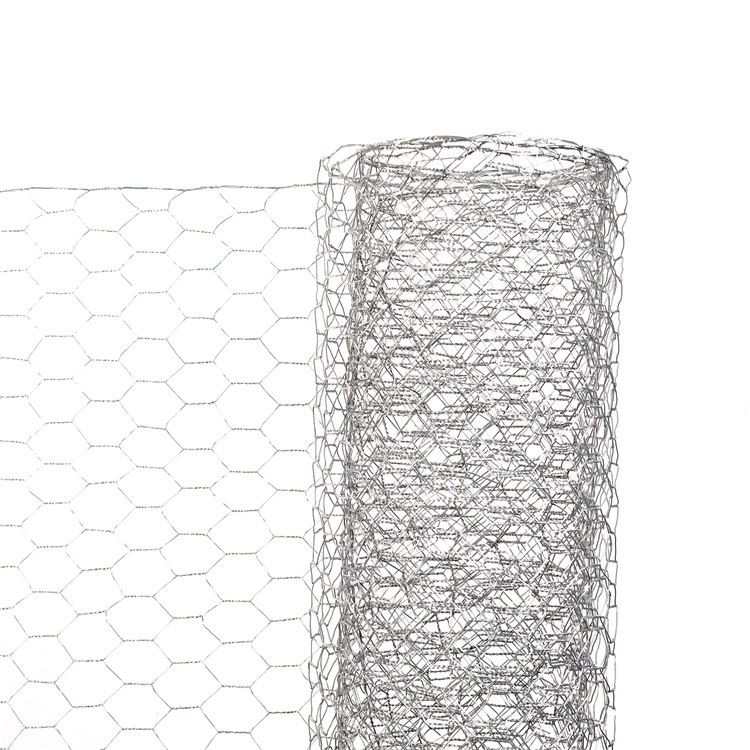
Simply put, 48 inch chicken wire is a hexagonal wire mesh, usually made from galvanized steel or PVC coated metal, that measures four feet in width. Its mesh size usually ranges from 1/2 inch to 2 inches, making it perfect for keeping poultry safely contained without interfering with airflow or light. While it might sound very “farm-centric,” this wire is part of a broader category called hex netting, which finds use in construction (like stucco reinforcement), landscaping, and even erosion control on hillsides. The consistent width of 48 inches is popular for industry standards—making sheets easier to stack, transport, and install in modular ways. Oddly enough, this wire shares a thread with humanitarian efforts, too. Organizations use it in emergency shelters and secure fencing in refugee camps or disaster recovery zones, where cost and speed of deployment are critical. ---Key Aspects to Consider When Choosing Your 48 Inch Chicken Wire
1. Durability
The material often makes or breaks the job. Galvanized steel is standard for rust resistance, but vinyl-coated wires add an extra layer against corrosion — especially in coastal or humid areas. I’ve noticed that vinyl coatings can add years to the wire’s lifespan but cost a few more bucks upfront.2. Mesh Size
This determines what you can contain. Smaller mesh sizes keep out even tiny chicks or pests, while larger meshes allow better ventilation for chickens and rabbits alike.3. Flexibility and Ease of Installation
Thanks to its moderate width, 48 inch wire is easy to roll and cut on-site. Many farmers and builders like this because it’s manageable with just a few people, avoiding expensive heavy equipment.4. Cost Efficiency
Bulk rolls and standardized widths like 48 inches reduce waste and storage headaches. When you buy this standard size, you get better pricing and compatibility with fencing posts and staplers designed around it.5. Environmental Impact
The production of steel mesh involves energy, but modern manufacturers often use recycled steel and eco-friendly zinc coating methods. Plus, longevity and reusability add a sustainability angle that's overlooked. ---Real-World Uses: Where 48 Inch Chicken Wire Makes a Difference
In agricultural hotspots like the American Midwest or Southeast Asia, farmers trust this wire for everything from chicken coops to garden fences. It keeps animals safe from predators like foxes and hawks, but also limits damage to delicate crops. In urban settings, DIY gardeners or city farmers use [48 inch chicken wire](https://www.fivestar-metals.com) to protect plants from squirrels and rabbits. It’s lightweight, affordable, and blends easily with existing structures. More surprisingly, in post-disaster relief, agencies like the Red Cross deploy this wire as fencing in temporary shelters to create boundaries and secure areas quickly — often in places where materials and logistics are challenging. Even hillside erosion control projects use similar wire mesh to stabilize soil, showing the product’s versatility beyond simple fencing. ---Advantages and Lasting Value of Choosing 48 Inch Chicken Wire
Financially, it’s hard to beat the balance of strength versus affordability in this product. Installers often tell me it’s “good enough” for most containment needs without overpaying. The wire’s light weight means less strain during setup, reducing labor costs and increasing deployment speed. There’s also a safety aspect — one that’s overlooked but vital — the wire’s flexibility prevents sharp edges from injuring animals or humans during handling, unlike rigid steel bars. From an emotional standpoint, providing secure housing (even if just for chickens) helps small farmers maintain dignity and control over their livelihoods. It’s oddly comforting, in a way. When NGOs include this in aid packages, it signals stability and trust to beneficiaries — a visual reminder: “You’re protected.” ---Future Trends: Innovation in Wire Mesh Technology
The industry is quietly evolving. Manufacturers are experimenting with lighter, higher tensile strength alloys and coated composites that resist corrosion without heavy metals. Some innovations focus on eco-friendly coatings, replacing PVC with biodegradable polymers. Digitally, inventory traceability through RFID tags can help track wire quality and compliance in large infrastructure projects. Robotics in fencing installation is another growing trend, potentially simplifying large-scale deployments, although these are just starting to show up. Sustainability policies by ISO and other bodies encourage longer-life products and recycling, which will affect how 48 inch chicken wire is produced in the next decade. ---Overcoming Common Challenges with 48 Inch Chicken Wire
One typical complaint is that the wire can sag or deform over time, especially under heavy animal pressure or high winds. The solution? Secure stapling and proper tensioning techniques — something many recommend investing training time into. Also, using reinforcement rods or posts at regular intervals improves stability. Rust will remain a foe in harsh climates, but newer coatings and prompt maintenance can mitigate wear. Finally, sourcing quality wire consistently is a hurdle for smaller farms. Working with trusted [vendors](https://www.fivestar-metals.com) or regional suppliers who can guarantee specs and turnaround times is key. ---Specifications Table: Typical 48 Inch Chicken Wire Roll
| Feature | Specification |
|---|---|
| Width | 48 inches (4 feet) |
| Mesh Size | 1/2 to 2 inches hexagonal |
| Material | Galvanized steel or PVC coated steel |
| Roll Length | 50 to 100 feet typically |
| Weight | Varies, roughly 7-12 lbs per 50 ft roll |
| Coating Thickness | 8-16 microns zinc layer typical |
Vendor Comparison: Popular 48 Inch Chicken Wire Suppliers
| Vendor | Material Quality | Price Range | Lead Time | Custom Options |
|---|---|---|---|---|
| Five Star Metals | High-grade galvanized / PVC | $$ | 2-3 weeks | Roll length, mesh size |
| Global Mesh Co. | Standard galvanized steel | $ | 1-2 weeks | Standard sizes only |
| EcoWire Solutions | PVC-coated, eco-materials | $$$ | 3-4 weeks | Custom coatings & colors |
FAQ: Your Questions About 48 Inch Chicken Wire Explained
Q1: What are the best uses for 48 inch chicken wire in small-scale farming?A: This wire suits poultry enclosures, small livestock pens, and protecting gardens from pests. Its manageable width allows quick installation and easy handling, which is perfect if you’re managing multiple pens or want quick fixes. Q2: Can 48 inch chicken wire withstand heavy weather conditions?
A: When galvanized or PVC-coated, it resists rust effectively. However, proper tensioning and securing to sturdy posts matter most. Steel wires may sag under extreme wind without reinforcement but generally hold up well for years. Q3: Is chicken wire recyclable or environmentally friendly?
A: Galvanized steel wire is recyclable, and many modern manufacturers use recycled steel inputs. Coatings vary in environmental impact, with newer eco-friendly options appearing. Durable wire that’s reused multiple times offers sustainability benefits compared to plastic fencing. Q4: How can NGOs or overseas projects source 48 inch chicken wire efficiently?
A: Partnering with reliable suppliers such as Five Star Metals helps ensure quality and timely delivery. Bulk orders reduce costs and allow for custom sizes or coatings suited to project needs. Logistics coordination is key in remote locations. Q5: What maintenance does 48 inch chicken wire require?
A: Minimal upkeep is needed if the wire is galvanized or coated. Check periodically for rust spots, any holes or tears caused by animals, and tighten staples or fencing posts. Proper installation greatly reduces maintenance over time. ---
Wrapping It Up: Why 48 Inch Chicken Wire Deserves a Closer Look
To sum up, the 48 inch chicken wire is sort of that “silent workhorse” in the fencing world — small in appearance, big in global impact. It offers a practical, affordable, and adaptable solution for countless users, from backyard farmers to disaster relief teams. Its balance of durability, ease, and cost-efficiency ensures it won't be replaced by some shiny new tech anytime soon. If you’re itching to try or upgrade your fencing solutions, I always point folks to reliable vendors like Five Star Metals. They understand the nuances behind those 48 inches of mesh — and that’s the difference between a good fence and a great one. ---References
- Food and Agriculture Organization (FAO) - Livestock Support Data
- United Nations Environment Programme (UNEP) - Sustainable Farming Guidelines
- International Organization for Standardization (ISO) - Standards for Sustainable Manufacturing
Share


Latest news
-
Canton Fair 2026-4 in Guangzhou,China
NewsApr.24,2027
-
High Quality Common Nails 1212 for Construction Projects
NewsApr.16,2026
-
The 139th Canton Fair
NewsApr.14,2026
-
Guide to Using Galvanised Common Round Nails for Durable Construction
NewsApr.09,2026
-
Comprehensive Guide to Flat Head Common Nails for Construction Projects
NewsApr.07,2026
-
Understanding the Versatility of the Common Nail 5 5 for Various Applications
NewsApr.04,2026