Durable and Versatile Chicken Wire Solutions for Agriculture & Construction | FiveStar Metals
Understanding Chicken Wire: More Than Just a Garden Fence
When you hear “chicken wire,” your first thought is probably that classic mesh fence around a backyard coop. But honestly, this seemingly simple material holds a surprisingly significant place globally and industrially. It’s lightweight, versatile, and affordable — qualities that have made it a go-to solution for everything from poultry farming to construction and even humanitarian aid.
In a world that relentlessly pushes for sustainability and cost efficiency, understanding chicken wire means appreciating a product that has quietly contributed to livestock safety, infrastructure reinforcement, and disaster relief. Let’s dive deeper into why chicken wire matters far beyond the farm.
The Global Stage: Why Chicken Wire Still Counts
Chicken wire's global footprint stretches wider than many realize. According to the United Nations Food and Agriculture Organization (FAO), securing livestock is a critical part of maintaining food security worldwide, especially in developing economies. Chicken wire, a staple fencing option, helps keep small-scale farmers’ livelihoods intact by protecting poultry and other animals from predators.
Moreover, global construction trends highlight its use as a reinforcing element, especially in concrete and plaster work. ISO standards such as ISO 12224 touch upon welded wire mesh and fencing products, which cover a range of mesh materials, including chicken wire variations, showing the international importance of mesh fencing in construction and agricultural industries.
But here’s a kicker: many smallholder farmers and NGOs find themselves struggling with fencing solutions that are either too expensive, heavy, or unsustainable. Chicken wire, with its low cost, quick installation, and durability, addresses these gaps — especially in regions with limited infrastructure and resources.
What Exactly Is Chicken Wire?
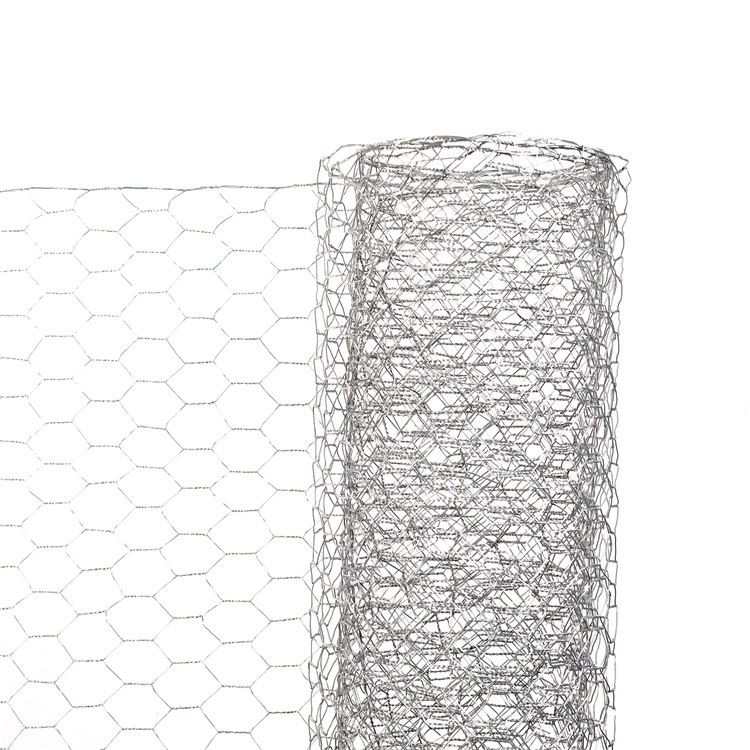
Simply put, chicken wire is a mesh made from galvanized steel wires twisted together to form hexagonal patterns. This mesh can be easily bent, cut, or molded to enclose areas without blocking airflow or sunlight, which is perfect for animal enclosures or temporary barriers.
Interestingly, chicken wire’s roots trace back to Victorian England in the 19th century, initially designed for poultry confinement. Today, its applications have branched out significantly into other industries, often connected with modern construction methods and even humanitarian supply chains.
Mini Takeaway:
Chicken wire’s simple design masks its broad applicability—acting as the foundational barrier in many fields, from agriculture to emergency aid.
Key Characteristics of Chicken Wire
Durability
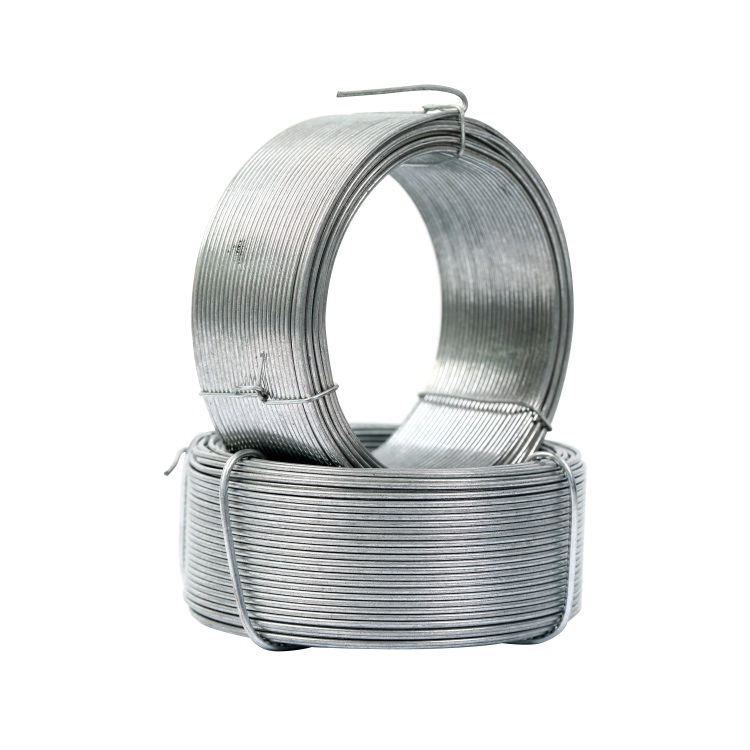
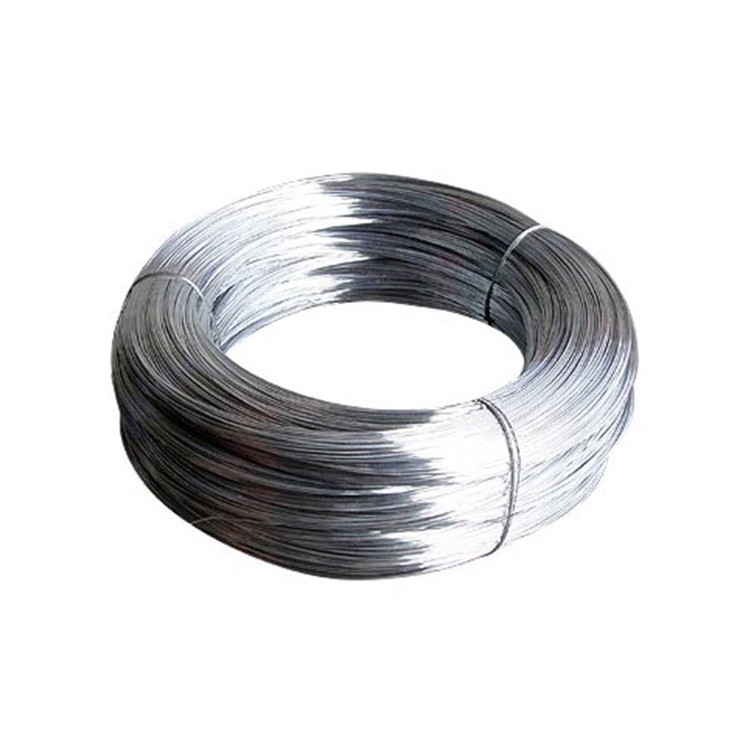
Chicken wire is generally galvanized or coated to resist rust and corrosion, making it suitable for outdoor use in varied climates. Though not immune to weathering, it retains structural integrity for years unless exposed to extreme conditions.
Flexibility & Scalability
Its lightweight mesh design allows easy manipulation on the job site—cut to length, bent around corners, or layered for extra strength. This flexibility is why it’s favored in DIY projects but also scalable enough for industrial fencing.
Cost Efficiency
In comparison to chain link fences or welded wire mesh, chicken wire remains affordable, making it accessible to farms, communities, and NGOs operating on tight budgets.
Breathability & Visibility
The hexagonal holes serve a dual purpose — they keep animals contained but allow visibility and ventilation. This helps maintain the wellbeing of livestock by preventing overheating and allowing for easy surveillance.
Eco-Friendliness
When galvanized steel reaches the end of its life cycle, it can be recycled, reducing waste. Recent trends also see chicken wire being used in green wall applications or cladding for eco-conscious designs.
Mini Takeaway:
- Chicken wire balances strength with flexibility
- Its affordability boosts adoption globally
- Breathability ensures animal welfare and structural transparency
Real-World Uses: Chicken Wire Around the Globe
It’s quite fascinating how chicken wire crops up in seemingly unrelated sectors:
- Agriculture: Naturally, it encloses poultry, rabbits, and small livestock worldwide — imagine rural Africa, Southeast Asia, or South America, where it often guards subsistence farms.
- Construction & Reinforcement: In plastering or stucco, chicken wire provides a mesh for material to adhere to, reinforcing walls and ceilings.
- Disaster Relief & Humanitarian Aid: Quickly deployable fencing or cages made from chicken wire help contain animals and shield shelters in post-disaster zones.
- Industrial Applications: Some factories use chicken wire panels for light partitions or machinery guards due to its visibility and airflow properties.
- Creative & Landscaping Projects: Urban gardeners often use it to protect plants from pests or build raises beds.
For instance, after the 2010 Haiti earthquake, NGOs distributed rolls of galvanized wire mesh for temporary animal shelters as part of broader relief efforts. It’s small, but it counts immensely when resources are scarce.
Specifications of Typical Chicken Wire
| Characteristic | Typical Value | Notes |
|---|---|---|
| Material | Galvanized Steel | Prevents rust, extends life |
| Mesh Size | 25 mm – 50 mm (Hexagonal) | Varies by application |
| Wire Diameter | 0.9 mm – 2 mm | Thickness affects strength and flexibility |
| Roll Length | 10 m – 50 m | Custom lengths possible |
| Roll Width | 0.5 m – 2 m | Varies to fit project needs |
| Weight | 0.5 – 3 kg/m² | Depends on wire gauge |
How To Pick The Right Chicken Wire Vendor? A Quick Comparison
| Vendor | Product Quality | Price Range | Customization | Customer Support |
|---|---|---|---|---|
| FiveStar Metals | High (ASTM galvanized steel) | $$ | Length & gauge customization | 24/7 consultation & fast shipping |
| MegaMesh Co. | Medium (standard galvanized) | $ | Limited options | Business hours only |
| ProMesh Solutions | Premium (marine-grade coating) | $$$ | Full custom orders on request | Dedicated account managers |
Advantages That Keep Chicken Wire in Demand
What really stands out is how chicken wire hits the sweet spot between cost, convenience, and effectiveness. Small farmers value it for budget reasons — you can surround dozens of chickens without breaking the bank. But there’s also a bigger picture: it’s a sustainable alternative to plastic or concrete barriers, and it’s reusable with minimal environmental impact.
It also carries emotional weight in communities. Protecting their animals means protecting a key source of income and food. And there’s a shared feeling of security and pride in maintaining these fences effectively.
Emerging Trends and Innovations
Surprisingly, chicken wire is also evolving. New coatings reduce zinc use, addressing environmental concerns. Some manufacturers blend traditional steel mesh with smart sensors for agricultural monitoring — odd, but it’s happening.
Green building trends incorporate chicken wire in green facades and erosion control. Plus, robotic installation aids smooth out the otherwise labor-intensive fence setup process, especially for large agricultural lands.
Challenges and Proposed Solutions
Even though chicken wire shines in many respects, it’s not perfect. Predators can sometimes chew through thinner gauges. Humidity and salt air may accelerate corrosion despite galvanization.
Innovations like PVC-coated wire, heavier gauge options, or hybrid mesh materials address durability issues. Finally, NGOs working in remote areas experiment with modular fencing systems incorporating chicken wire for quick setup and repair.
FAQ About Chicken Wire
- Q: How long does chicken wire typically last outdoors?
- A: When properly galvanized and maintained, chicken wire can last 5 to 10 years, depending on environmental conditions like humidity and exposure to salt air.
- Q: Can I use chicken wire for security fencing?
- A: Chicken wire is more suited for containment than security due to its lighter gauge and vulnerability to cutting. Heavier welded wire mesh or chain link is better for high-security needs.
- Q: Is chicken wire recyclable?
- A: Yes, galvanized steel chicken wire is recyclable at scrap metal facilities, making it an eco-friendly fencing option.
- Q: How easy is it to install chicken wire?
- A: Installation is quite straightforward with basic tools. Its flexibility allows quick custom fitting around posts or frames.
- Q: Where can NGOs source durable chicken wire for field projects?
- A: Vendors like FiveStar Metals offer customizable options suitable for humanitarian aid, with global shipping and technical support.
Bringing It All Together
Chicken wire may not be the flashiest material on the block, but its long history and worldwide use underscore its quiet reliability. Whether you’re a smallholder farmer or part of an aid organization, choosing the right chicken wire is about balancing cost, durability, and function — factors that resonate across industries and continents.
Looking to source quality chicken wire? Visit FiveStar Metals for expert advice, competitive pricing, and custom solutions tailor-made for your project.
Final Thought:
Sometimes, the simplest materials build the most lasting legacies...
References


-
Canton Fair 2026-4 in Guangzhou,China
NewsApr.24,2027
-
High Quality Common Nails 1212 for Construction Projects
NewsApr.16,2026
-
The 139th Canton Fair
NewsApr.14,2026
-
Guide to Using Galvanised Common Round Nails for Durable Construction
NewsApr.09,2026
-
Comprehensive Guide to Flat Head Common Nails for Construction Projects
NewsApr.07,2026
-
Understanding the Versatility of the Common Nail 5 5 for Various Applications
NewsApr.04,2026