Durable and Sustainable PVC Coated Chain Link Fence Solutions | Five Star Metals
Understanding PVC Coated Chain Link Fence: Why It Matters Worldwide
At first glance, a pvc coated chain link fence might seem like just another fairly mundane construction detail. But if you stop and think, it actually plays a surprisingly significant role — whether it’s securing a bustling industrial plant in Germany, marking boundaries around a school in Canada, or helping NGOs safeguard relief zones in the aftermath of a disaster in Southeast Asia. More than just a fence, it’s a versatile solution combining durability, cost efficiency, and adaptability.
Globally, fencing solutions contribute to safety, privacy, and even ecological balance. The coating of PVC (polyvinyl chloride) helps these chain link fences stand up to corrosion, extreme weather, and daily wear, extending their life and reducing replacement costs. Given increasing urbanization and industrial growth, knowing why this fencing is a go-to is genuinely useful for architects, contractors, and humanitarian agencies alike.
Global Context: Why PVC Coated Chain Link Fences Are in Demand
The world is seeing unfaltering growth in construction and infrastructure industries. According to a 2023 UN report, urban populations will rise by approximately 2.5 billion people by 2050, with increasing needs for secured perimeters, green spaces, and public safety zones. In this environment, traditional metal fences often rust away too quickly or need costly maintenance.
The PVC coating on chain link fences addresses these issues head-on, offering protection against the elements. That's why many countries and organizations are shifting towards PVC coated options rather than plain galvanized steel or iron fences. For example, ISO standards for fencing materials have evolved in recent years to emphasize sustainability and durability, areas where pvc coated chain link fences shine.
Beyond industry, the challenge of securing temporary zones — refugee camps, construction sites, or disaster relief areas — necessitates fencing that’s quick to install but lasts long enough to cover fluctuating timelines. pvc coated chain link fence fits this bill well.
Mini takeaway:
- Global urban and industrial growth increases fencing demands.
- Standard maintenance challenges with rust-prone steel fencing.
- PVC coating addresses durability and sustainability, meeting modern ISO and UN needs.
What Exactly Is a PVC Coated Chain Link Fence?
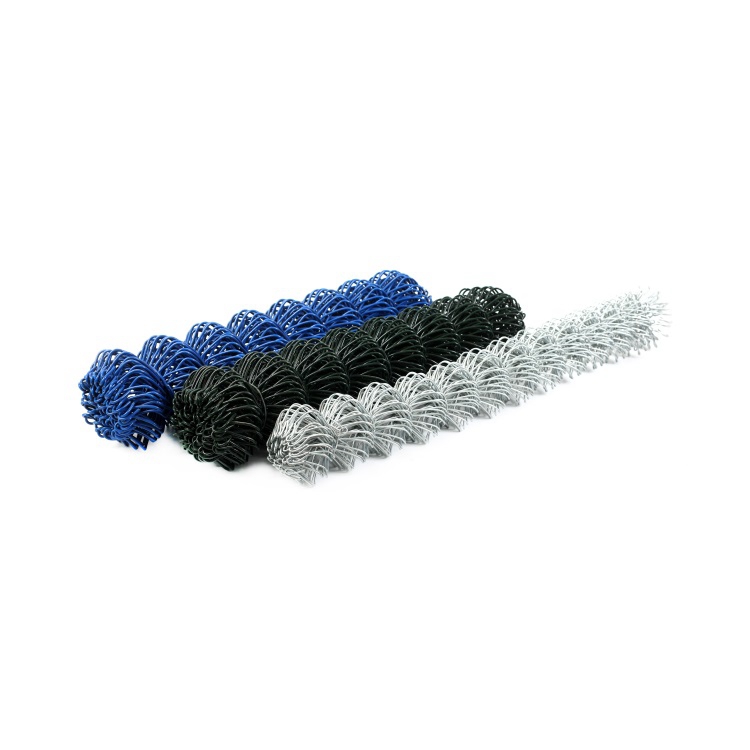
Simply put: a chain link fence is made from interlocking steel wires creating a diamond pattern, offering a “see-through” barrier that’s cost-effective and adaptable. When this mesh is dipped or sprayed in a layer of polyvinyl chloride (PVC), the fence gains a protective skin that guards against rust, UV damage, and mechanical wear.
This combination is more than aesthetic — that green or black coating isn’t just to look nice. It extends fence life by several years and helps keep maintenance practical for large-scale projects. For industries where safety, reliability, and visual appeal all matter, this is a classic choice. Also, in humanitarian settings, quickly deployable fencing needs to hold up—even as conditions change rapidly.
Mini takeaway:
- Chain link fence = interwoven steel wire mesh.
- PVC coating acts as a durable weather and corrosion shield.
- Balance between function, longevity, and appearance.
Key Features Making PVC Coated Chain Link Fencing Stand Out
Durability Beyond Steel
Steel on its own rusts, especially in moist or salty environments. PVC coating acts like a barrier against water, air, and salts, significantly preventing oxidation. Many engineers say that coated fences often last 2-3 times longer than uncoated galvanized fences—a huge win for projects where downtime and repair costs aren’t welcome.
Cost Efficiency and Maintenance
Initially, pvc coated fences do cost a bit more — roughly 10–15% above basic galvanized options. But considering how rarely they need repainting or patching, over a 10-year period they easily come out on top. Plus, fewer replacements mean a smaller environmental footprint.
Visual Appeal and Customization
Unlike raw metal fences that quickly turn dull and rusty, these fences come in multiple colors (commonly green, black, and sometimes brown). That’s important, say landscapers or urban planners, who want fences to blend naturally with surroundings or meet community aesthetic codes.
Scalability & Ease of Installation
The fences come pre-coated and are easy to install in modular rolls or panels—excellent for large scale industrial or disaster-relief scenarios. This modularity means they can be resized or relocated without complicated dismantling, giving flexibility rarely found in more rigid fencing types.
Eco-friendliness
PVC is recyclable in many regions and reduces the need for painting chemicals. Coupled with steel's recyclability, these fences align with modern eco-standards like those recommended by ISO 14001.
Mini takeaway:
- PVC coating dramatically extends fence lifespan.
- Lower lifetime maintenance equals cost savings.
- Multiple colors and modular installation enhance adaptability and aesthetics.
- Recyclable materials support sustainability goals.
Where Are PVC Coated Chain Link Fences Actually Being Used?
Seriously, this fence is everywhere, and for good reasons:
- Industrial Zones: Factories, warehouses, and refineries prefer this fencing to protect assets without huge maintenance teams.
- Schools and Parks: Safety without blocking visibility. Often green-coated fences add a natural look to playgrounds.
- Disaster Relief Camps: NGOs use these fences in areas like post-earthquake Nepal or flood zones in Bangladesh to secure supply areas and service zones fast.
- Agricultural Uses: Farmers use PVC coated fences to protect livestock without corrosion concerns, especially in humid climates.
- Residential Projects: Developers install these fences around communities where aesthetics and boundary definition matter.
One case I read recently was an NGO quickly erecting a pvc coated chain link fence perimeter around a refugee camp in Kenya — the coating saved them weeks of worry about rust and the tough weather cycles.
Mini takeaway:
- Used worldwide across multiple sectors from industry to humanitarian aid.
- Helps deliver safety without sacrificing form or function.
- Proven in harsh environments, easing logistical pressure.
Product Specification Table
| Specification | Details |
|---|---|
| Wire Gauge | 9-11 gauge (approx. 3.5-4.7 mm diameter) |
| Mesh Size | 50 mm x 50 mm (2" x 2") or customizable |
| Coating Thickness | Approx. 0.2-0.4 mm (200-400 microns) |
| Color Options | Green, black, brown, custom |
| Roll Length | Up to 30 meters |
| Height Options | 1.2m to 3m standard, custom available |
Comparing Leading Vendors of PVC Coated Chain Link Fences
| Vendor | Material Quality | Customization | Warranty | Estimated Lead Time |
|---|---|---|---|---|
| Five Star Metals | Hot-dipped galvanized, thick PVC coating | Full color/panel size options | 10 years anti-rust | 2-4 weeks |
| Global Fence Co. | Galvanized steel with thin PVC | Standard green/black | 5 years | 3-5 weeks |
| Premier Fencing Ltd. | Premium steel, medium PVC thickness | Customized mesh sizes | 7 years | 4-6 weeks |
Logical Benefits and Emotional Gains of Choosing PVC Coated Chain Link Fence
On paper, the practical benefits are clear: reliability, endurance, cost-effectiveness. But the emotional layer is just as important — knowing a fence protects your kids’ playground, a work site’s perimeter, or a humanitarian camp generates a trust that can’t be overlooked. There’s a dignity in secure boundaries that say: “You matter enough to keep this place safe.”
For developers, municipal planners, and NGOs, these fences simplify what can be a logistical headache, turning months of upkeep into years of peace of mind. Innovation doesn’t always scream loudly — sometimes it’s in the quiet strength of a green-coated fence standing firm against time.
Future Trends: What’s Next for PVC Coated Chain Link Fences?
In the 2020s, sustainability's not just a buzzword. Expect next-generation coatings combined with recycled PVC variants for even greener footprints. Nanotechnology is creeping in to create coatings that self-heal minor damages and repel dirt. Also, integrating sensors for digital perimeter monitoring — yep, fences going smart — is no longer sci-fi.
Automation in installation, like powered rollouts and modular snap-on fittings, will make deployment faster, especially in urgent or emergency contexts. So, pvc coated chain link fences won’t just sit still — they’ll evolve as part of digital infrastructure.
Addressing Challenges and Practical Solutions
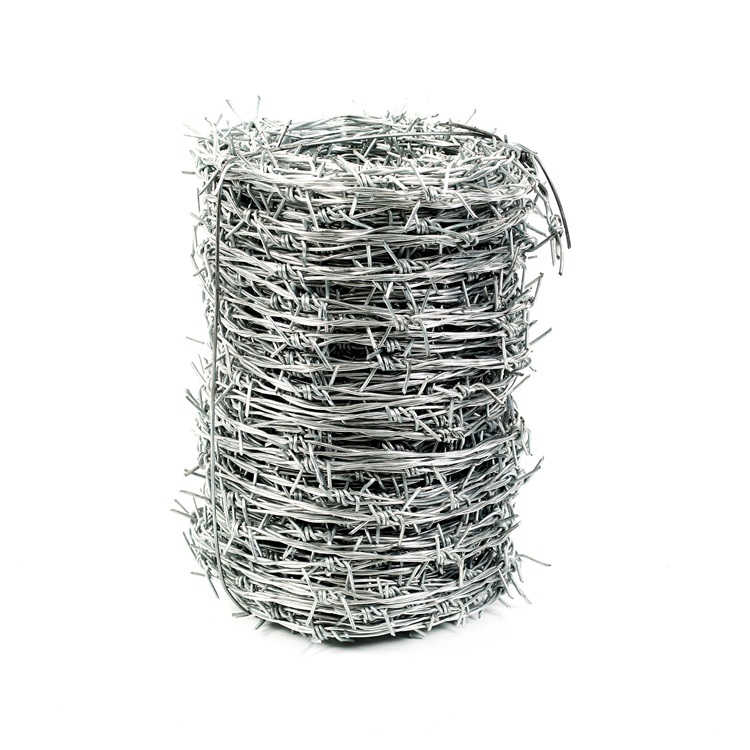
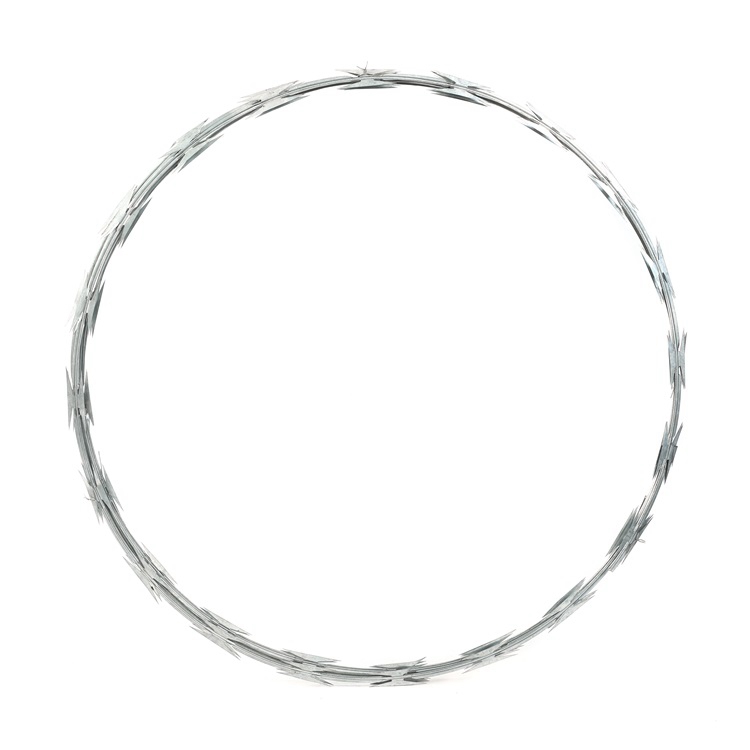
Sure, no product is perfect. PVC coating can wear thin over many years or under brutal mechanical abrasion. Temperature extremes sometimes cause cracking if the quality isn’t up to par. Also, in very high-security zones, the fencing might need to be supplemented with barbed wire or other deterrents.
Experts increasingly recommend thorough quality checks: verifying coating thickness, the steel’s galvanization level, and conducting accelerated weathering tests. Plus, hybrid fencing solutions that combine PVC coated chain link with other barriers help address specific site needs.
FAQ: Frequently Asked Questions About PVC Coated Chain Link Fence
- Q1: How long can a typical pvc coated chain link fence last outdoors?
- A1: Generally, with proper quality materials, these fences last 15 to 25 years. The PVC coating largely prevents rust, and galvanized steel underneath supports structural integrity. Maintenance is usually limited to occasional cleaning and inspection.
- Q2: Can I customize the color or size of the fence?
- A2: Absolutely! Most vendors, including pvc coated chain link fence suppliers, offer various colors (green, black, brown) and mesh sizes. Heights can also be tailored to your project’s specific needs.
- Q3: Is PVC coating environmentally friendly?
- A3: While PVC is a plastic, many manufacturers now use recyclable formulations and adhere to environmental standards like ISO 14001. The extended lifespan of these fences means fewer replacements, lowering the overall ecological impact.
- Q4: Are pvc coated fences suitable for high-security needs?
- A4: For many industrial or commercial applications, yes. But in very sensitive zones, additional barriers such as razor wire or electronic surveillance are recommended alongside the fence.
- Q5: How quickly can these fences be installed on large projects?
- A5: Thanks to modular rolls and pre-coated finishes, installation can be done much faster than traditional options—often within days for medium-scale projects. This is especially critical in emergency or temporary setups.
Conclusion: The Long-Term Value of PVC Coated Chain Link Fencing
When you weigh up cost, longevity, adaptability, and the positive knock-on effects for communities and industries, pvc coated chain link fences truly stand out. They’re reliable guardians of safe spaces, long-lasting partners in infrastructure, and quietly innovative solutions heading into the future.
If you’re interested in exploring options, or getting a quote for your project needs, check out Five Star Metals — a leading supplier combining quality with customization.
References:


-
Canton Fair 2026-4 in Guangzhou,China
NewsApr.24,2027
-
High Quality Common Nails 1212 for Construction Projects
NewsApr.16,2026
-
The 139th Canton Fair
NewsApr.14,2026
-
Guide to Using Galvanised Common Round Nails for Durable Construction
NewsApr.09,2026
-
Comprehensive Guide to Flat Head Common Nails for Construction Projects
NewsApr.07,2026
-
Understanding the Versatility of the Common Nail 5 5 for Various Applications
NewsApr.04,2026