Chicken Wire Mesh Hexagonal – Durable, Flexible & Cost-Effective Wire Mesh Solutions
Understanding Chicken Wire Mesh Hexagonal: A Small but Mighty Solution
Somewhere between farmyards, construction sites, and humanitarian aid tents lies the humble yet essential chicken wire mesh hexagonal. It’s surprising how this mesh, simple at a glance, has such far-reaching impact across global industries and community projects. At its core, it is all about creating flexible, lightweight, and durable cages, barriers, and protective structures — but its ripple effects? Well, that’s where it gets interesting.
Understanding this material isn’t just for farmers or fence installers — it’s vital for engineers, architects, aid organizations, and sustainability advocates alike. Why? Because the simplicity of hexagonal wire mesh is a lesson in scalable design, cost-efficiency, and adaptability. Plus, it answers big challenges, like securing supply chains or rebuilding communities after disasters.
The Global Context: Why Chicken Wire Mesh Hexagonal Matters Today
Globally, there’s a surge in demand for affordable, easy-to-deploy materials, especially in emerging markets where infrastructure is still catching up. According to the United Nations’ Habitat Program, nearly 1 billion people live in informal settlements where fencing and safety measures are minimal. Enter the chicken wire mesh hexagonal, which provides a quick, cheap, and semi-permanent way to safeguard property, livestock, and equipment.
Beyond residential fencing, the construction and agricultural sectors use this mesh worldwide. Per ISO standards on wire mesh products, hexagonal mesh is celebrated for its tensile strength and flexibility, suitable for everything from stabilizing soil to creating animal enclosures.
You might wonder — how can such a ubiquitous material solve pressing challenges like disaster resilience or environmental protection? The answer lies in its easy customization and rapid installation, qualities many NGOs and industrial companies exploit to great effect.
What Is Chicken Wire Mesh Hexagonal? A Simple Definition
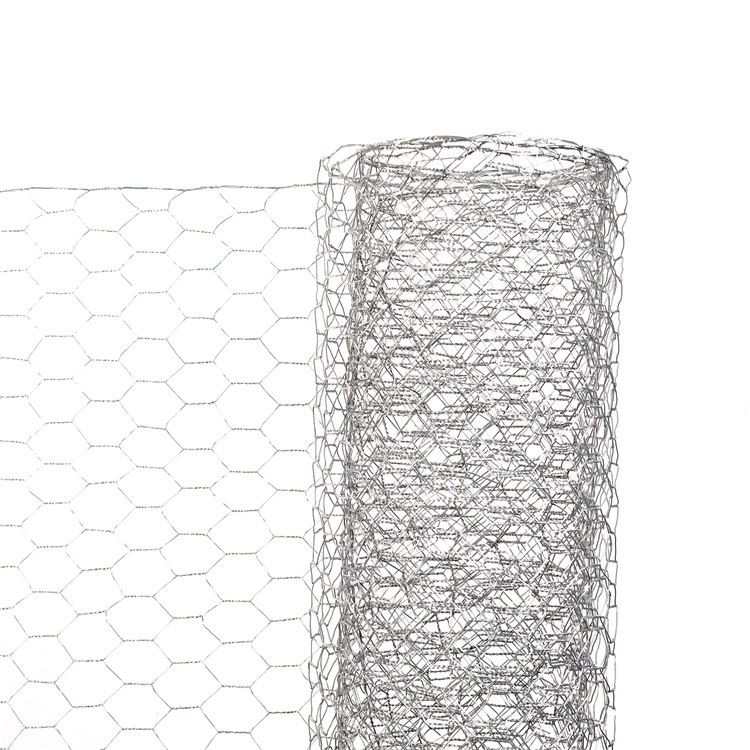
At its base, chicken wire mesh hexagonal is a woven wire product where thin steel wires are twisted together to form a pattern of small hexagons. The hexagonal shape is not arbitrary — it offers superior strength-to-weight ratio and flexibility compared to square or rectangular meshes.
Originally designed to contain poultry safely, this mesh now serves countless broader applications owing to its durability and low cost. When galvanized or coated with PVC, it resists rust and corrosion, making it viable in harsh climates.
In modern industries, it forms the skeleton for gabions, erosion control walls, and even green facades in urban design. Humanitarian work depends on this mesh for quick fencing or debris containment in unstable environments.
Mini takeaway:
Chicken wire mesh hexagonal transcends its “chicken coop” stereotype, representing a versatile, practical material bridging agriculture, construction, and emergency aid.
Core Features Driving Its Popularity
1. Durability
Manufactured from galvanized steel or PVC-coated wire, chicken wire resists rusting, UV damage, and wear. This means months or years of reliable performance without significant maintenance.
2. Flexibility & Strength
The hexagonal weaving allows the mesh to flex under pressure, absorbing shocks rather than breaking. It can contour uneven ground or wrap oddly shaped objects.
3. Cost Efficiency
Low material cost plus simple installation means more bang for your buck — a huge factor for large fencing projects or aid operations with tight budgets.
4. Lightweight & Easy Transport
The mesh rolls compactly for easy shipping—critically important for remote or disaster-hit areas.
5. Environmental Compatibility
The steel used is often recyclable, and PVC coatings have improved eco-friendliness over time. Plus, the mesh supports sustainable uses like erosion control or vertical gardens.
Mini takeaway:
The chicken wire mesh hexagonal’s design brilliance lies in balancing strength and flexibility while remaining affordable and eco-conscious.
Where Is Chicken Wire Mesh Hexagonal Used Around the World?
Practically everywhere. In North America and Europe, it’s common on farms and construction sites. In sub-Saharan Africa and Southeast Asia, NGOs use its portability to create animal pens and perimeter fences quickly, vital in delivering food security.
Disaster response teams have leveraged chicken wire for shoring debris and stabilizing temporary shelters post-earthquakes or hurricanes. For example, after the 2015 Nepal earthquake, aid groups deployed mesh fencing extensively for both crowd control and livestock protection.
Industrial zones in Russia and Central Asia rely on the mesh for fencing equipment yards, while in urban landscaping, architects use it for green walls and erosion barriers along sloped parks.
Product Specifications At a Glance
| Specification | Typical Range | Notes |
|---|---|---|
| Wire Diameter | 0.7 mm – 1.6 mm | Smaller wire for poultry, thicker for cages |
| Mesh Opening Size | 12 mm – 50 mm hexagons | Adjustable to final application needs |
| Coating | Galvanized, PVC coated | For corrosion resistance |
| Roll Length | 10 m, 25 m, 50 m | Standard lengths for versatility |
| Maximum Roll Diameter | 40 – 60 cm | Eases transport and handling |
Popular Vendors Compared: What to Look For
| Vendor | Material Quality | Customization | Lead Time | Price Range |
|---|---|---|---|---|
| Five Star Metals | Premium galvanized steel, PVC options | Full custom sizing and coatings | 2-4 weeks | Mid to high |
| MeshCo Supplies | Standard galvanized | Limited sizes | 1-3 weeks | Budget friendly |
| EcoWire Fencing | Recycled steel, eco PVC | Custom eco-friendly coatings only | 3-5 weeks | Higher price |
Advantages and Why It’s a Solid Investment
From a financial standpoint, chicken wire mesh hexagonal offers excellent value, minimizing upfront materials cost and labor due to its easy handling. Environmentally, it supports many sustainable applications — soil retention, habitat protection, or urban vertical gardens — which many city planners value as they push green initiatives.
Socially, it gives communities safety and dignity through secure fencing against theft or stray animals. NGOs especially treasure its versatility. You almost feel it’s a material that earns trust because it simply works, regardless of setting.
Looking Ahead: Innovations on the Horizon
Innovations are quietly reshaping how hexagonal mesh performs. New alloy compositions are enhancing rust resistance and longevity. Integration with biodegradable coatings is under research to reduce plastic waste from PVC layers.
Digital manufacturing tools now enable custom-shaped panels cut from galvanized wire, speeding up onsite assembly. This connects quite well with automation trends in construction, where mesh installation can be robot-assisted.
Plus, the growing drive for renewables inspires variants of chicken wire mesh used as a framework for solar panel mounting or vertical windbreaks — effectively doubling up green investments.
Challenges and Practical Tips for Overcoming Them
Of course, no product is perfect. PVC coatings can degrade under intense sunlight if not UV stabilized. Some cheaper mesh rolls adopt thinner wire, compromising strength over time. Handling edges needs care to avoid injury.
Experts recommend specifying galvanized and PVC-coated options for outdoor projects, proper anchoring, and always employing gloves during installation. For large-scale use, a modular approach using pre-cut panels reduces waste and speeds work.
FAQ About Chicken Wire Mesh Hexagonal
Q1: How can I ensure chicken wire mesh lasts longer outdoors?
A1: Choose galvanized wire with PVC coating that includes UV stabilizers. Regular inspections and small repairs extend life. Avoid touching bare steel posts directly to soil to reduce corrosion.
Q2: Can chicken wire mesh be used for erosion control?
A2: Absolutely. When filled with stones (gabions) or combined with vegetation, it stabilizes slopes effectively and controls runoff, widely used in civil engineering and landscaping.
Q3: Is this wire mesh eco-friendly?
A3: The base steel is recyclable, and many suppliers now offer PVC coatings with reduced environmental impacts. For greener builds, recycled steel mesh variants are emerging.
Q4: How do I pick the right mesh size for my project?
A4: It depends on the purpose — smaller mesh openings prevent smaller animals from escaping, while larger openings are better for erosion control or fencing larger livestock.
Q5: Can I get custom sizes or coatings if I order in bulk?
A5: Most reputable vendors like chicken wire mesh hexagonal suppliers offer customization in size, wire thickness, and coating types, ideal for specialized applications.
Conclusion: The Quiet Strength of Chicken Wire Mesh Hexagonal
It sounds simple, maybe even old-fashioned. But the chicken wire mesh hexagonal stands as a testament to how a humble solution can tackle complex global needs from farm to cityscape, shelter to construction zone. Its balance of strength, flexibility, and cost-efficiency ensures it remains a frontline material well into the future.
Want to explore high-quality options or custom solutions? Visit our website to find out how this mesh can help your project take shape affordably and reliably.
References:


-
Canton Fair 2026-4 in Guangzhou,China
NewsApr.24,2027
-
High Quality Common Nails 1212 for Construction Projects
NewsApr.16,2026
-
The 139th Canton Fair
NewsApr.14,2026
-
Guide to Using Galvanised Common Round Nails for Durable Construction
NewsApr.09,2026
-
Comprehensive Guide to Flat Head Common Nails for Construction Projects
NewsApr.07,2026
-
Understanding the Versatility of the Common Nail 5 5 for Various Applications
NewsApr.04,2026