Buy Durable Chicken Mesh in Roll for Agriculture & Industry | FiveStar Metals
Understanding Chicken Mesh in Roll: From Basics to Global Impact
Chicken mesh in roll is one of those deceptively simple yet incredibly versatile materials that often flies under the radar. Whether it’s keeping your garden secure or playing a crucial role in large-scale industrial and humanitarian projects, this mesh is everywhere. Why it matters globally is tied not just to the ease of use or cost, but to durability, sustainability, and problem-solving in some pretty tough environments. For anyone dealing with fencing, containment, or even lightweight structural reinforcement, knowing about chicken mesh in roll opens doors to cost-effective, durable solutions.
The Global Context and Why Chicken Mesh Rolls Are Everywhere
If you glance at global agricultural and construction statistics, you'll see the footprint of chicken mesh products is surprisingly large. According to the Food and Agriculture Organization (FAO), secure poultry farming can improve food security in developing regions, reducing hunger and poverty. The World Bank notes that affordable fencing solutions help small farmers protect livestock and crops from predation or theft, boosting economic stability. Chicken mesh in rolls acts as a low-cost, flexible barrier in these cases, especially in rural Africa, Southeast Asia, and Latin America.
On the flip side, rapid urbanization and disaster recovery efforts have created a huge demand for temporary, easy-to-install fencing and enclosure systems. Chicken mesh in roll helps fill that gap, offering a recyclable, lightweight option that's faster to deploy than traditional wood or metal panel fencing. Clearly, this humble product has a global role in securing not just animals, but livelihoods and safety.
What Exactly Is Chicken Mesh in Roll?
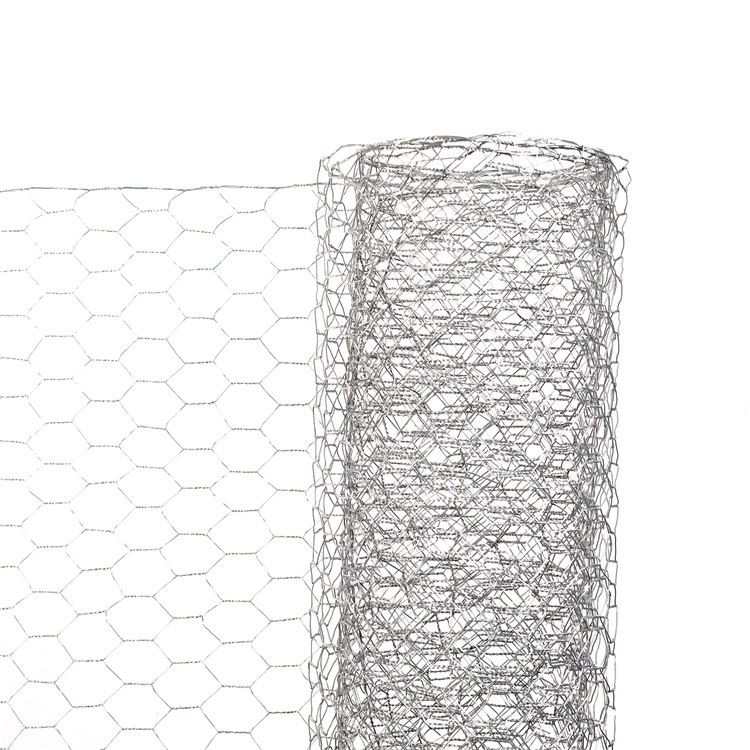
Put simply, chicken mesh — sometimes called poultry netting — is a hexagonal wire netting available often in rolls, designed initially to enclose poultry but now widely used beyond that. It’s made of galvanized steel or sometimes stainless steel, providing rust resistance and flexibility. The "in roll" format makes it easy to transport, cut, and install, especially in uneven or irregular areas.
This mesh ties directly into modern industries by offering a lightweight, affordable, and scalable fencing solution — producers of modular farms, animal enclosures, gardening enthusiasts, and even humanitarian organizations find them invaluable. The roll form factor helps speed up deliveries and installations in remote areas.
Mini takeaway:
Chicken mesh in roll is a simple but indispensable product bridging small-scale farming and large-scale industry logistics.
Key Aspects of Chicken Mesh in Roll
Durability
One of the prime features is its resistance to corrosion — largely due to galvanization. This keeps fencing intact for years, even in humid or coastal regions. Engineers often point out that properly coated chicken mesh can withstand heavy rains and temperature swings better than untreated alternatives.
Flexibility & Scalability
Each roll can be cut to size or reshaped, allowing for tailored fencing in small farms or large industrial zones. This means a single product suits dozens of scenarios, saving costs on multiple specialized fence types. The mesh stretches just enough to cover uneven ground without needing complex supports.
Cost Efficiency
In rough terms, the initial investment is low compared to wood or plastic fencing, and the long lifespan adds value. It’s often the go-to for NGOs working with tight budgets who still need reliable animal enclosure or protection of vulnerable infrastructure.
Environmental Impact
Since many chicken meshes are recyclable and made from steel, they can participate in circular material flows. Some manufacturers now offer eco-conscious coatings or incorporate recycled steel, cutting down carbon footprint.
Longevity under Stress
Even in high-usage scenarios, such as livestock movement or construction site crowd control, the mesh retains shape and strength, which is crucial for safety. The balance between rigidity and flexibility prevents accidental breakage.
Mini takeaway:
- Durability and corrosion resistance matter for outdoor use.
- Roll format allows flexible, scalable application.
- Cost and environmental considerations make it a practical choice worldwide.
How Chicken Mesh Rolls Are Being Used Globally
From the sprawling farms of the American Midwest to the post-tsunami rebuilding camps in Southeast Asia, chicken mesh in roll finds a home. NGOs use it to set up temporary animal pens quickly and affordably. Agricultural startups in Eastern Europe especially rely on these rolls to enclose free-range chickens without heavy infrastructure costs.
In industrial applications, it’s often utilized to protect pipelines or machinery with minimal obstruction, particularly in zones where heavier fencing isn't practical. Some innovative architects use it in green building projects as support for living walls or vine trellises, combining function with aesthetics.
Also interesting — chicken mesh rolls play a surprising role in landscaping, erosion control, and even art installations. Rural communities in Africa have found it instrumental in sustainable poultry farming, dramatically improving household incomes and nutrition.
Mini takeaway:
The versatility of chicken mesh in roll shines through in its widespread use—from humanitarian projects, agriculture to industrial protection.
Benefits to Consider: Why Invest in Chicken Mesh in Roll?
- Affordability: Low upfront cost and easy installation reduce overall expenditure.
- Sustainability: Steel’s recyclability and long life lower environmental impact.
- Safety and security: Provides dependable fencing to protect animals and infrastructure.
- Easy customization: Simple to transport and resize on-site.
- Innovation friendly: Compatible with new materials, like eco coatings and smart fencing tech.
The emotional angle? The dignity a farmer feels knowing their flock is safe, or the trust communities place in simple fence solutions is not easily quantified but absolutely real.
Product Specification Table
| Feature | Typical Specification | Remarks |
|---|---|---|
| Material | Galvanized Steel Wire | Zinc coating prevents rust |
| Wire Diameter | 0.7mm – 1.2mm | Varies by application |
| Mesh Size | 12.7mm (1/2 inch) Hex | Standard for poultry enclosure |
| Roll Length | 25m – 50m | Flexible according to need |
| Roll Height | 0.5m – 1.2m | Height varies with intended use |
Vendor Comparison: Choosing Your Chicken Mesh Supplier
| Supplier | Product Range | Customization Options | Pricing | Delivery Time |
|---|---|---|---|---|
| FiveStar Metals | Wide: multiple gauges and roll sizes | Full custom cuts and coatings | Competitive bulk pricing | 5-7 business days |
| Global Wire Products | Moderate, industry standard rolls | Limited sizes and coatings | Mid-range pricing | 7-10 business days |
| EcoMesh Solutions | Niche eco-friendly meshes | Recycled coatings, biodegradable options | Premium pricing | 10-14 business days |
Future Trends & Innovations in Chicken Mesh Production
There’s an interesting movement toward integrating smart technology with chicken mesh, like conductive coatings that can detect breaches or stress points. Digitally enhanced fencing solutions might sound sci-fi, but with IoT expanding into agriculture and security, it’s only a matter of time before these rolls come "alive." Also, greener galvanizing techniques and more use of recycled steel fall in line with international sustainability goals, such as those outlined by ISO and the UN's sustainable development goals.
Automated manufacturing now allows for precision cutting and coatings, which saves both materials and labor costs. With rising raw material costs, innovations that reduce scrap or enable multi-functionality (such as mesh that doubles as plant support) will be key.
Challenges and Practical Solutions
One common challenge is mesh sagging or deformation under heavy usage. Many engineers suggest reinforcing with stronger wire or adding tensioning devices post-installation. In areas with saltwater exposure, even galvanized steel corrodes faster, so stainless steel options or polymer coatings may be better—albeit pricier.
Another issue is transport damage when rolls are bent or crushed. Using sturdy packaging or onsite unrolling techniques helps mitigate this. Some vendors provide tutorials or even onsite support to avoid improper installation damage.
Frequently Asked Questions About Chicken Mesh in Roll
Q: What factors should I consider when buying chicken mesh in roll for outdoor use?
A: Look for galvanized or PVC-coated mesh with adequate wire diameter to resist corrosion and deformation. Consider mesh size based on your enclosure needs and ensure the roll length matches your project size to minimize waste.
Q: How can I maintain chicken mesh fences to extend their life?
A: Regularly inspect for rust, especially at joints. Clean debris and repair any damaged sections immediately. Applying a rust-resistant paint or coating annually can help, especially in humid climates.
Q: Are chicken mesh rolls suitable for larger industrial fencing projects?
A: While ideal for light to medium fencing, they may require supplementary support or reinforcement in heavy-duty or high-security industrial contexts. Combining with other fencing types is common.
Q: Can chicken mesh in roll be recycled after use?
A: Yes, since most chicken meshes are steel-based, they can be recycled. Look for local scrap metal facilities or manufacturers offering take-back programs to participate in circular economy practices.
Wrapping Up: Why Chicken Mesh in Roll Is a Smart Investment
Chicken mesh in roll is one of those unsung heroes in infrastructure and agriculture worldwide. It blends cost efficiency, flexibility, and durability in one easy-to-handle package. Whether you’re setting up a backyard coop or managing a large-scale industrial site, it adapts without fuss. And with innovations on the horizon, it’s only getting smarter and greener.
If you're thinking about your next fencing or containment project, explore our range of chicken mesh in roll products, designed for quality and reliability no matter the scale.
References


-
Canton Fair 2026-4 in Guangzhou,China
NewsApr.24,2027
-
High Quality Common Nails 1212 for Construction Projects
NewsApr.16,2026
-
The 139th Canton Fair
NewsApr.14,2026
-
Guide to Using Galvanised Common Round Nails for Durable Construction
NewsApr.09,2026
-
Comprehensive Guide to Flat Head Common Nails for Construction Projects
NewsApr.07,2026
-
Understanding the Versatility of the Common Nail 5 5 for Various Applications
NewsApr.04,2026