Nouvelles
-
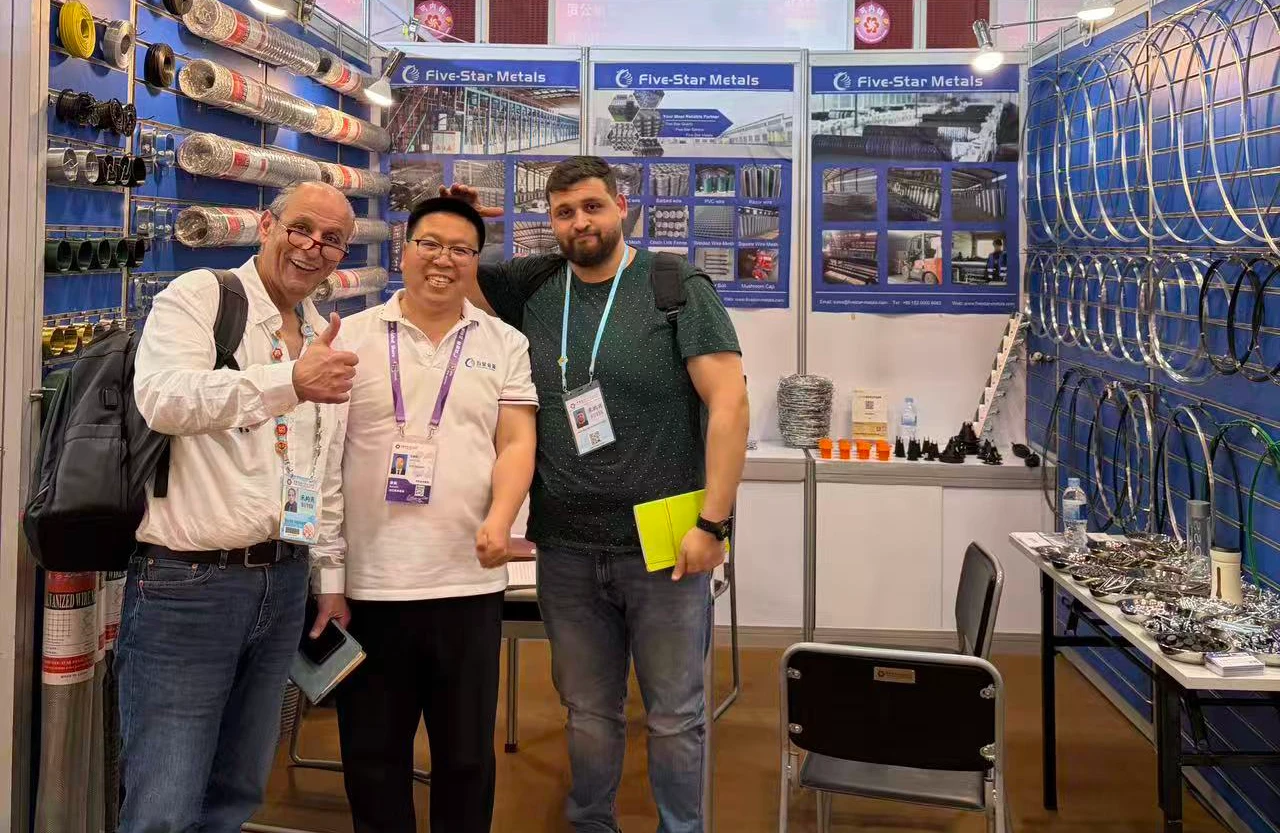 Our director Jack Su, sales manager Paul Liang were in Canton Fair in Apr 15-19.En savoir plus
 -
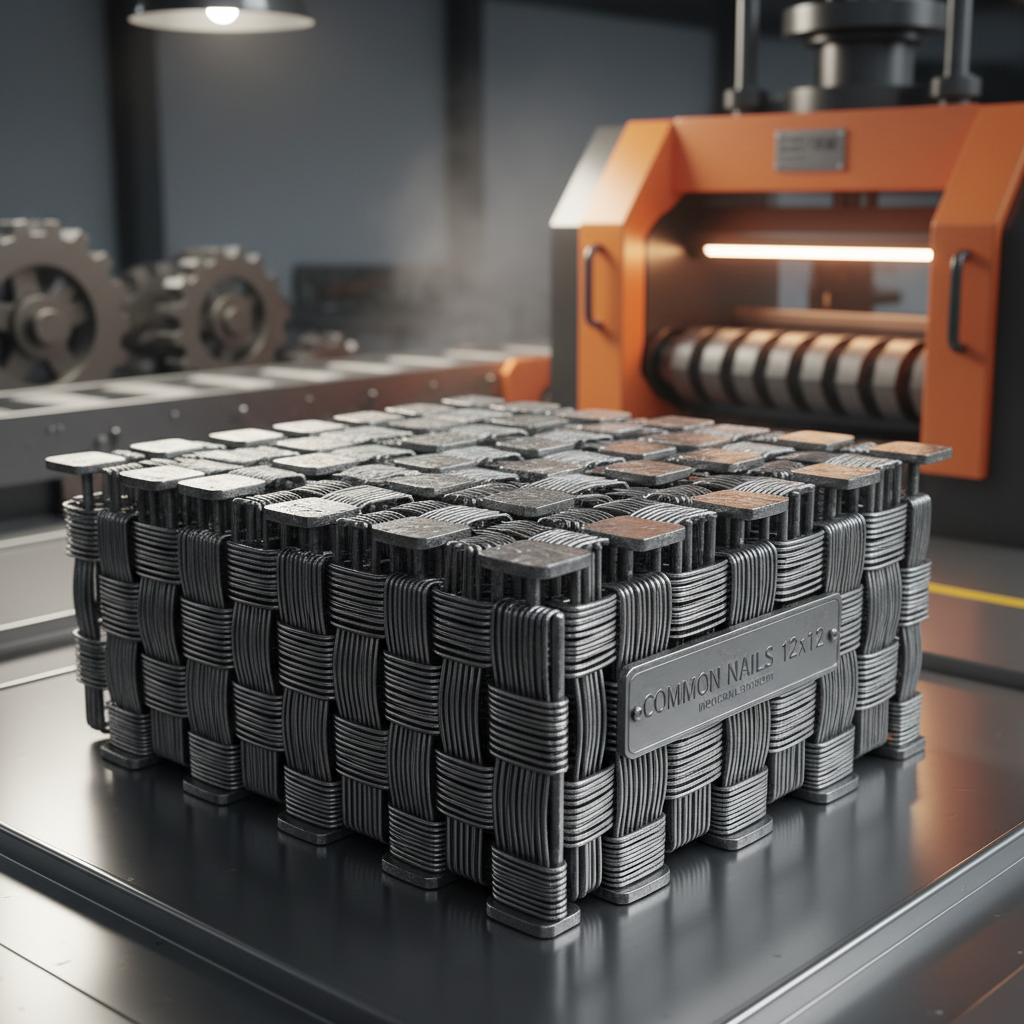 When it comes to structural integrity in carpentry and general construction, the humble nail remains an indispensable tool. Specifically, common nails 1212 provide the essential gripping power and strength required for heavy-duty framing and general assembly. Whether you are building a residential deck or securing industrial crates, selecting a nail with the precise dimensions and material quality is critical to prevent splitting and ensure long-term stability. In this guide, we will explore the technical specifications, applications, and quality standards that make these fasteners a staple in the hardware industry.En savoir plus
 -
 Our company will participate in the 137th Canton Fair from April 15-19, 2025. Welcome new and old friends to visit us!En savoir plus
 -
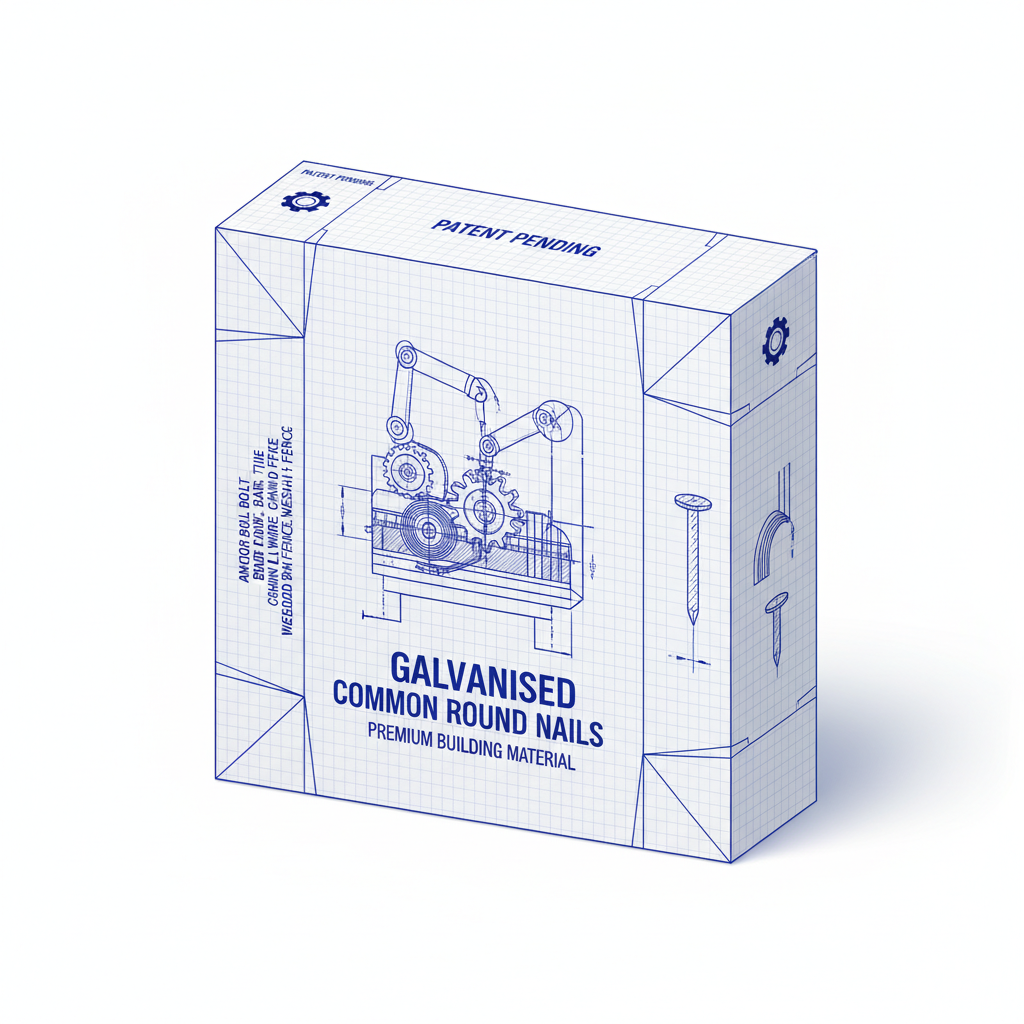 In the world of construction and woodworking, the integrity of a structure often depends on the smallest components. Among these, galvanised common round nails play a pivotal role in ensuring longevity and stability. Designed for general-purpose fastening, these nails combine the strength of steel with a protective zinc coating to combat the relentless effects of corrosion. Whether you are framing a new outdoor deck or securing heavy-duty timber, choosing the right nail can mean the difference between a project that lasts decades and one that fails prematurely due to rust. This guide explores everything you need to know about these essential fasteners.En savoir plus
 -
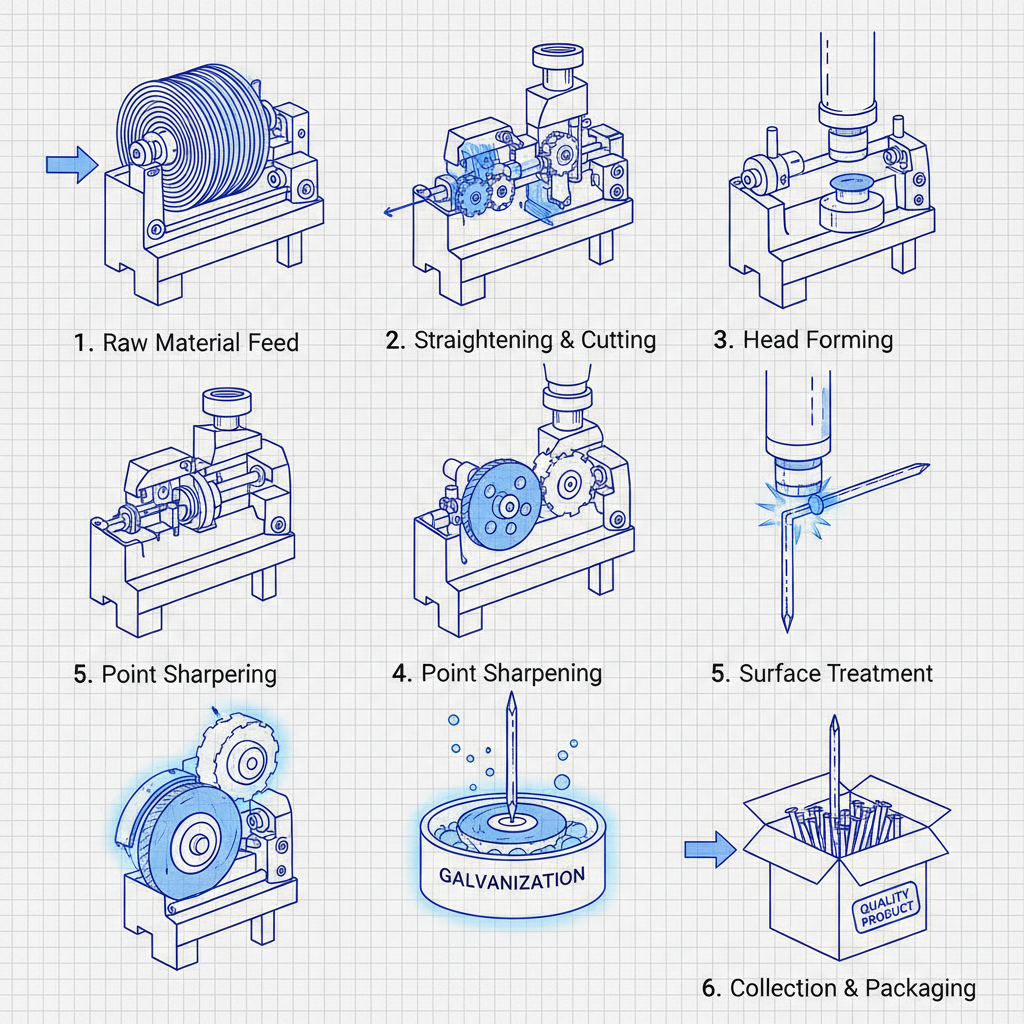 When undertaking any construction or woodworking project, selecting the right type of nail is crucial for ensuring structural integrity and a professional finish. Flat head common nails are a staple in many toolboxes, known for their versatility and robust holding power. This article will provide a comprehensive overview of these nails, covering their features, applications, benefits, and considerations for choosing the correct size and finish. We’ll explore why Five Star Metals offers a superior selection for all your nailing requirements.En savoir plus
 -
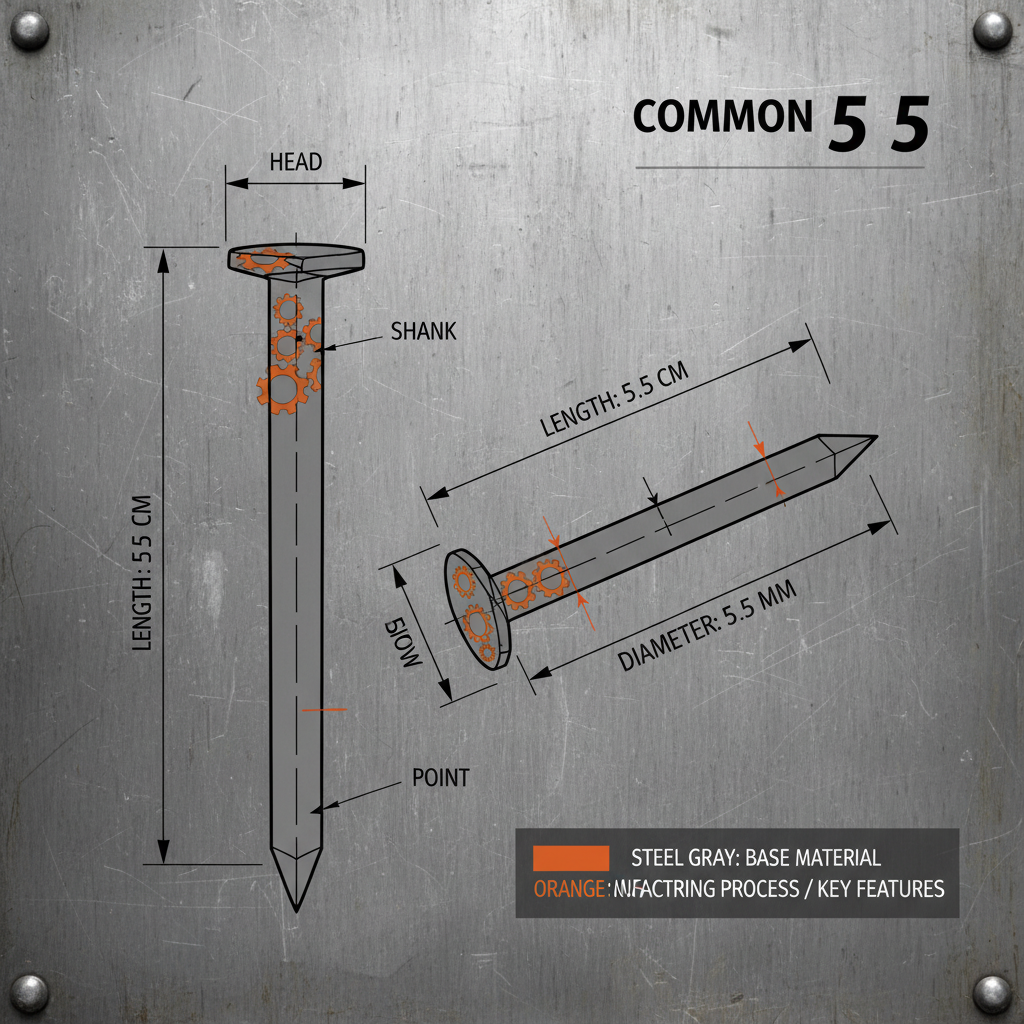 The common nail 5 5 is a fundamental fastening solution used across various industries, from construction and woodworking to DIY projects. Its simplicity and reliability make it a staple in many toolboxes. This article provides an in-depth look at this essential fastener, covering its specifications, applications, materials, and how to select the right nail for your needs. Understanding the nuances of the common nail 5 5 ensures project integrity and longevity.En savoir plus
 -
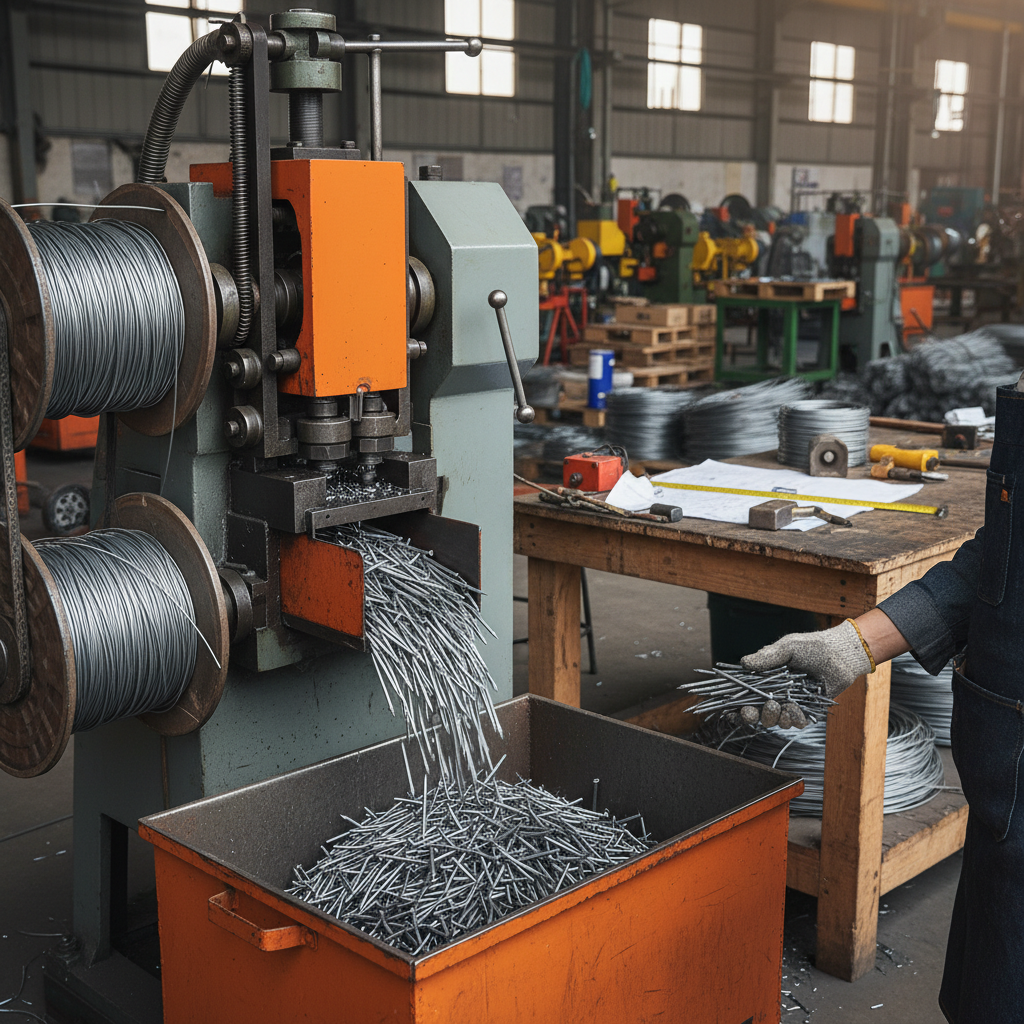 When tackling construction, woodworking, or general repairs, having the right fasteners is critical. Among the most frequently used is the 2.5 inch common nail. Its robust design and versatility make it a staple in countless projects. This article will explore the characteristics, uses, and benefits of this essential fastener. Whether you're a professional contractor or a DIY enthusiast, understanding the 2.5 inch common nail will help you select the best fastener for your needs.En savoir plus
 -
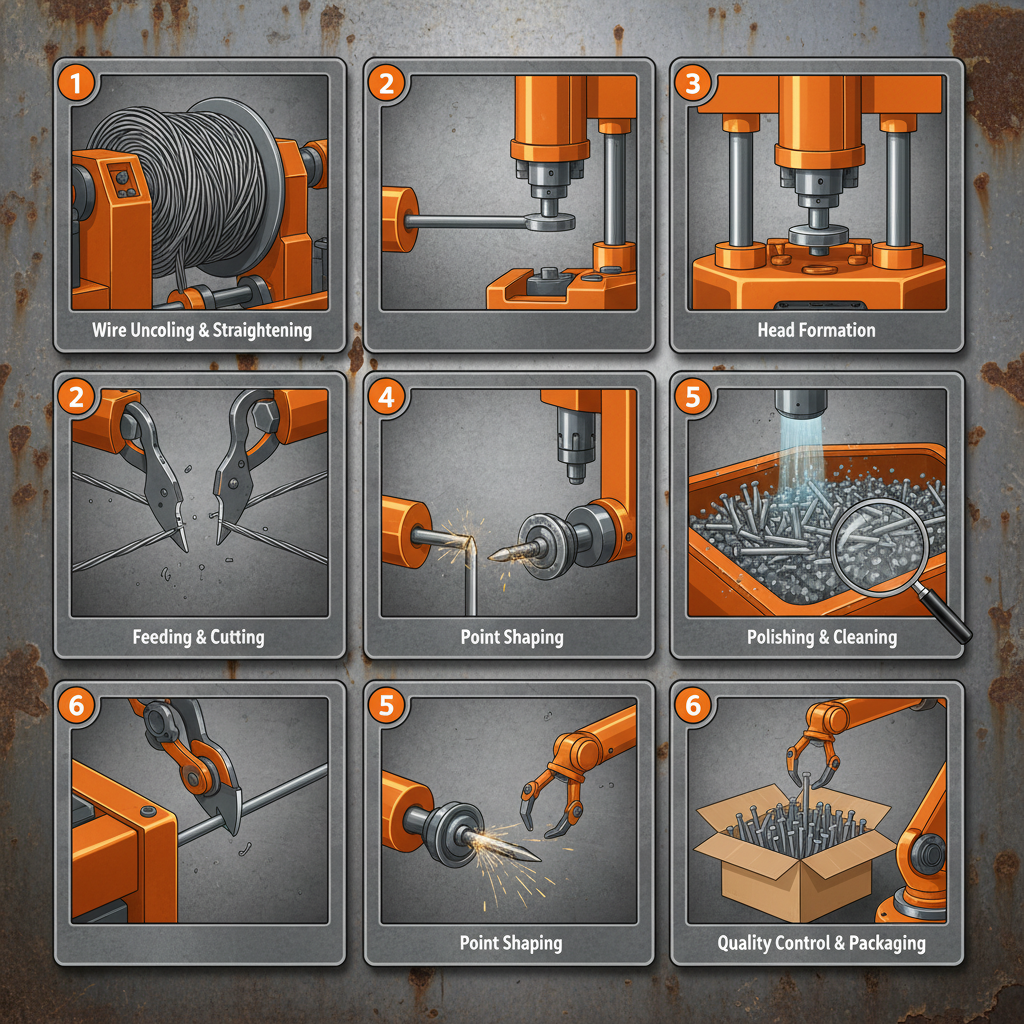 When undertaking construction or woodworking projects, selecting the right fasteners is crucial. Common nails, particularly those with a '1 cartoon' designation, are fundamental for various applications. This article will delve into what 'common nails 1 cartoon' means, explore their uses, material compositions, sizing, and where to source high-quality options from a trusted supplier like Fivestar Metals. We will also examine factors to consider when choosing the correct nail for your project.En savoir plus
 -
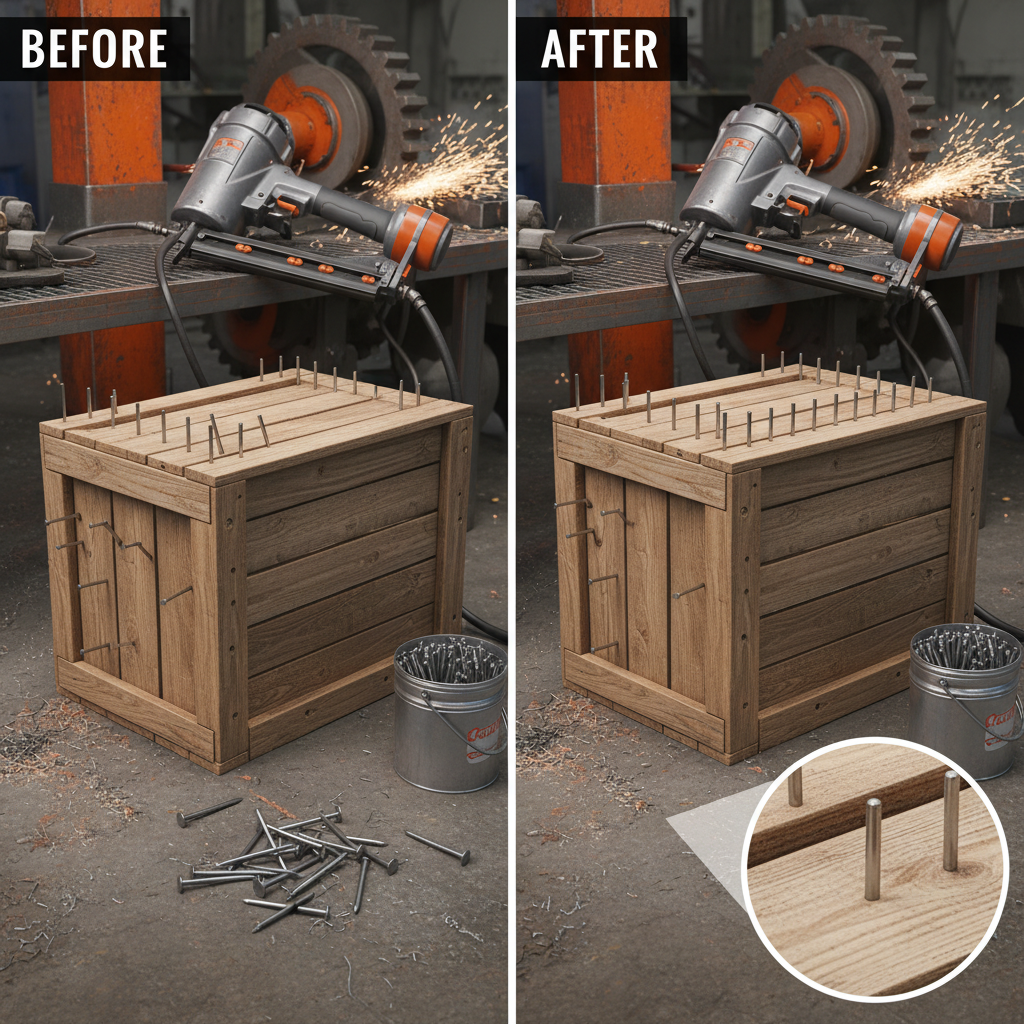 When undertaking construction or woodworking projects, selecting the right fasteners is crucial. Common nails without head, often overlooked, play a vital role in various applications. These nails offer unique advantages regarding holding power and ease of use, making them a preferred choice for many professionals. This article will delve into the characteristics, applications, benefits, and considerations for using these essential fasteners. Understanding the nuances of these nails will help you choose the right product for your next project and optimize your construction process. Common nails without head, also known as headless nails, are fasteners designed for applications where a visible nail head is undesirable or impractical. They are typically manufactured by heading the nail wire and then cutting off the head. This results in a nail that provides excellent holding power through friction and shear strength, particularly when driven into softer woods. The lack of a head allows for a smoother finish and minimizes the risk of snagging or interference. They are commonly used in temporary construction, pallet manufacturing, and applications where a flush surface is required.En savoir plus
 -
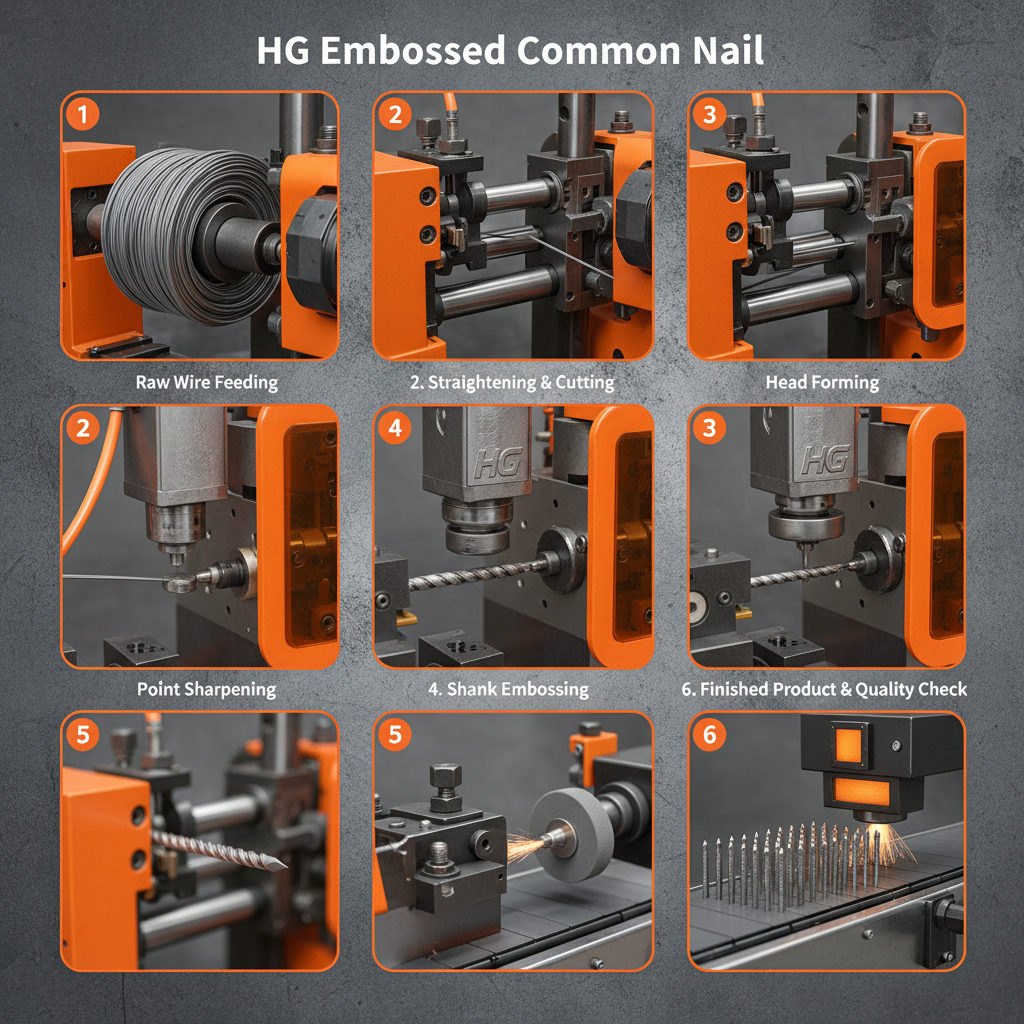 When sourcing fasteners for construction, woodworking, or industrial applications, the quality and reliability of the nail are paramount. HG embossed common nails are a globally recognized standard, known for their strength, durability, and consistent performance. This article will explore the features, applications, and sourcing considerations for these nails, providing a comprehensive guide for importers, distributors, and end-users. Choosing the right nails directly impacts project quality and cost-effectiveness, making informed decision-making crucial. HG embossed common nails differentiate themselves through a rigorous manufacturing process and quality control. The "HG" embossing signifies adherence to stringent industry standards, guaranteeing consistent dimensions, material composition, and holding power. These nails are typically made from high-carbon steel, heat-treated for increased strength and resistance to bending or breaking. The common nail design – a cylindrical shank with a flat, slightly tapered head – offers versatile applicability across numerous projects. Furthermore, the embossed marking provides traceability and assures buyers of authentic quality.En savoir plus
 -
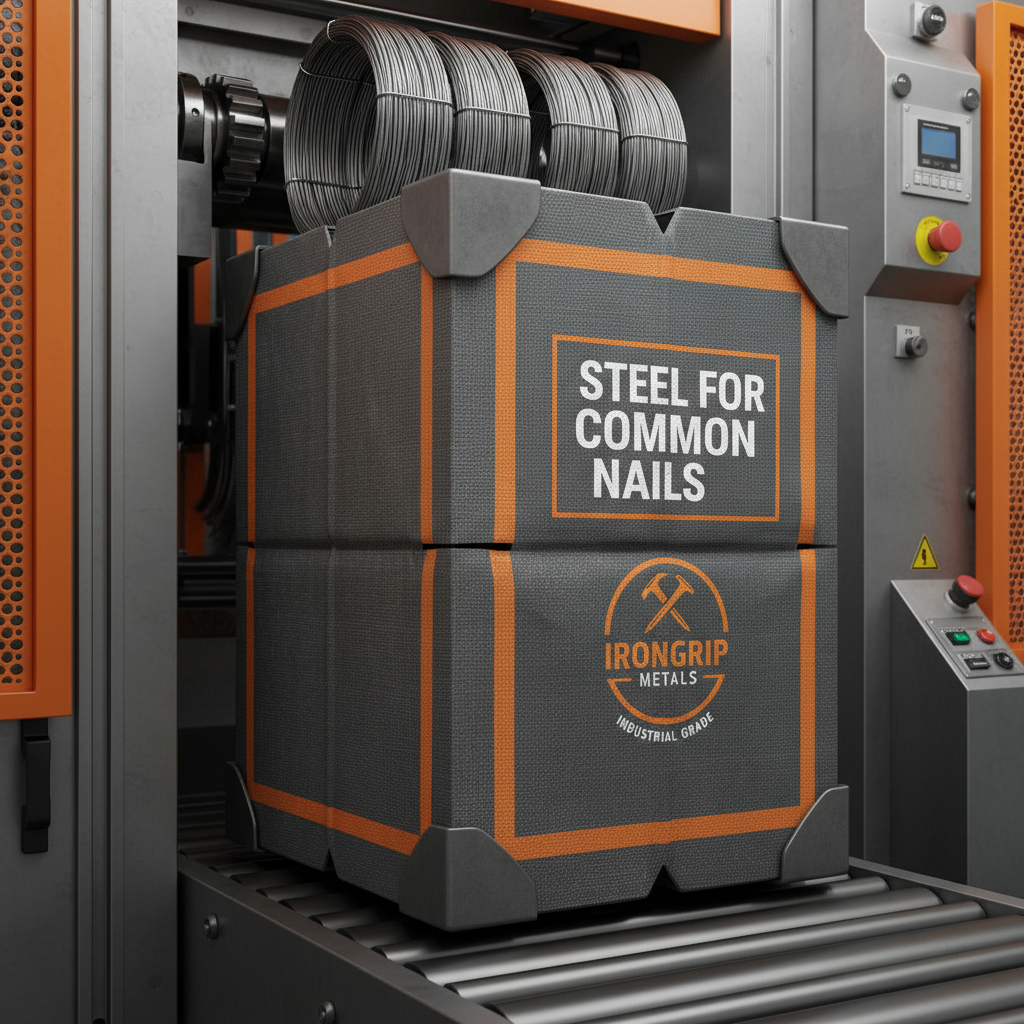 The quality of a common nail hinges significantly on the steel used in its manufacture. Selecting the appropriate steel grade is crucial for ensuring the nail’s strength, durability, and resistance to corrosion. This article will delve into the types of steel commonly used for common nail production, their properties, and the considerations for choosing the best material for your needs. Understanding these nuances can optimize production costs and enhance product quality. Several steel grades are commonly employed in the production of common nails. Low-carbon steel is the most prevalent choice due to its excellent formability and cost-effectiveness. Specific grades like 1008, 1018, and 8d steel are frequently used. Medium-carbon steel offers higher strength but is less malleable. Higher carbon steel, while providing the greatest strength, is rarely used due to its brittleness and difficulty in forming. Selecting the right grade depends on the intended application of the nail – whether it’s for general construction, framing, or more demanding applications.En savoir plus
 -
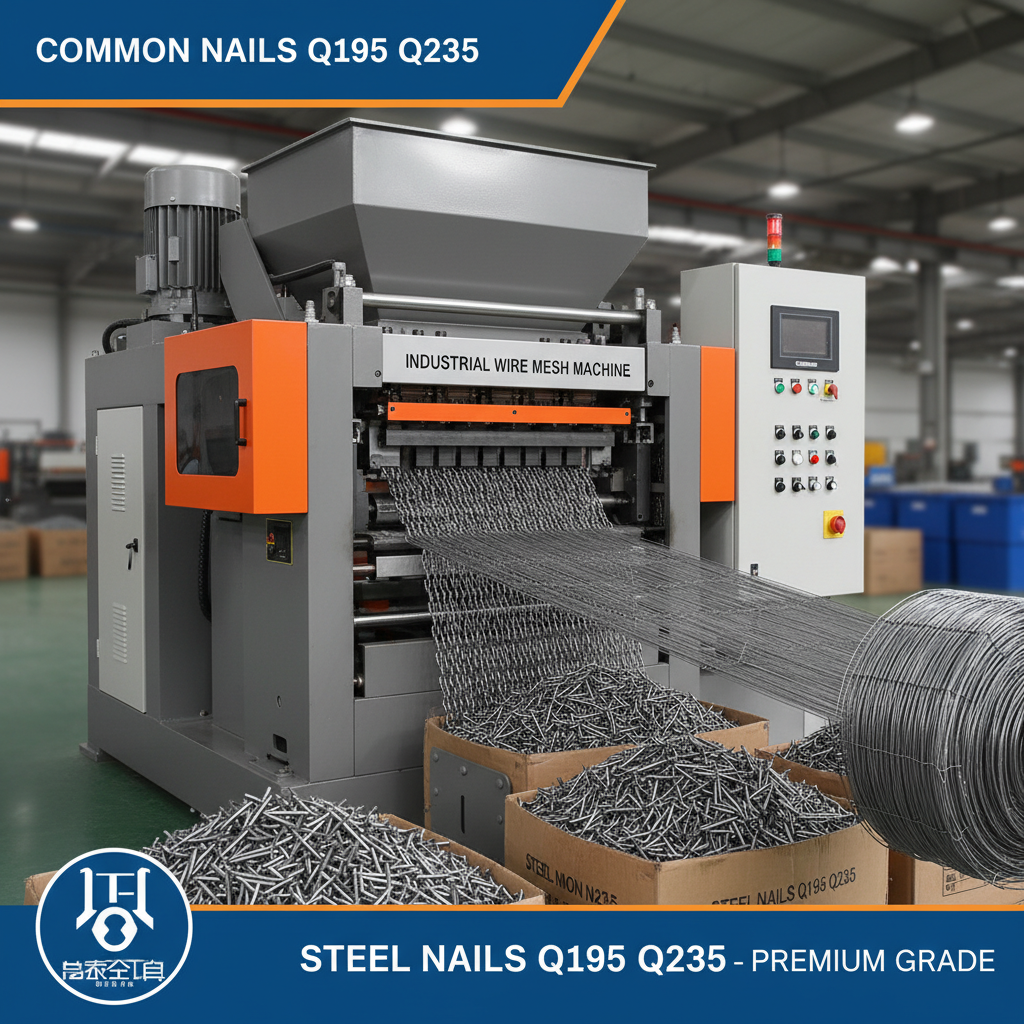 When undertaking construction or woodworking projects, the choice of fasteners is crucial. Among the most commonly used are common nails. These simple yet essential fasteners come in varying steel grades, with Q195 and Q235 being prevalent options. Understanding the differences between these grades, particularly their mechanical properties and applications, is key to ensuring project integrity and safety. This article will delve into the nuances of Q195 and Q235 common nails, providing a comprehensive guide for builders, contractors, and DIY enthusiasts. Selecting the appropriate nail grade can significantly impact the strength and longevity of your structures. Q195 and Q235 are low carbon steel grades widely used in various applications, including nail manufacturing. The ‘Q’ designation indicates a mild steel, and the numbers represent the minimum tensile strength in MPa (Megapascals). Q195 steel has a minimum tensile strength of 195 MPa, while Q235 boasts a minimum of 235 MPa. This difference in tensile strength is a fundamental distinction, affecting the nail’s ability to resist bending and breaking under stress. Both grades exhibit good weldability, ductility, and formability, making them suitable for producing common nails. The choice between the two often depends on the specific demands of the project and the required load-bearing capacity.En savoir plus