Uutiset
-
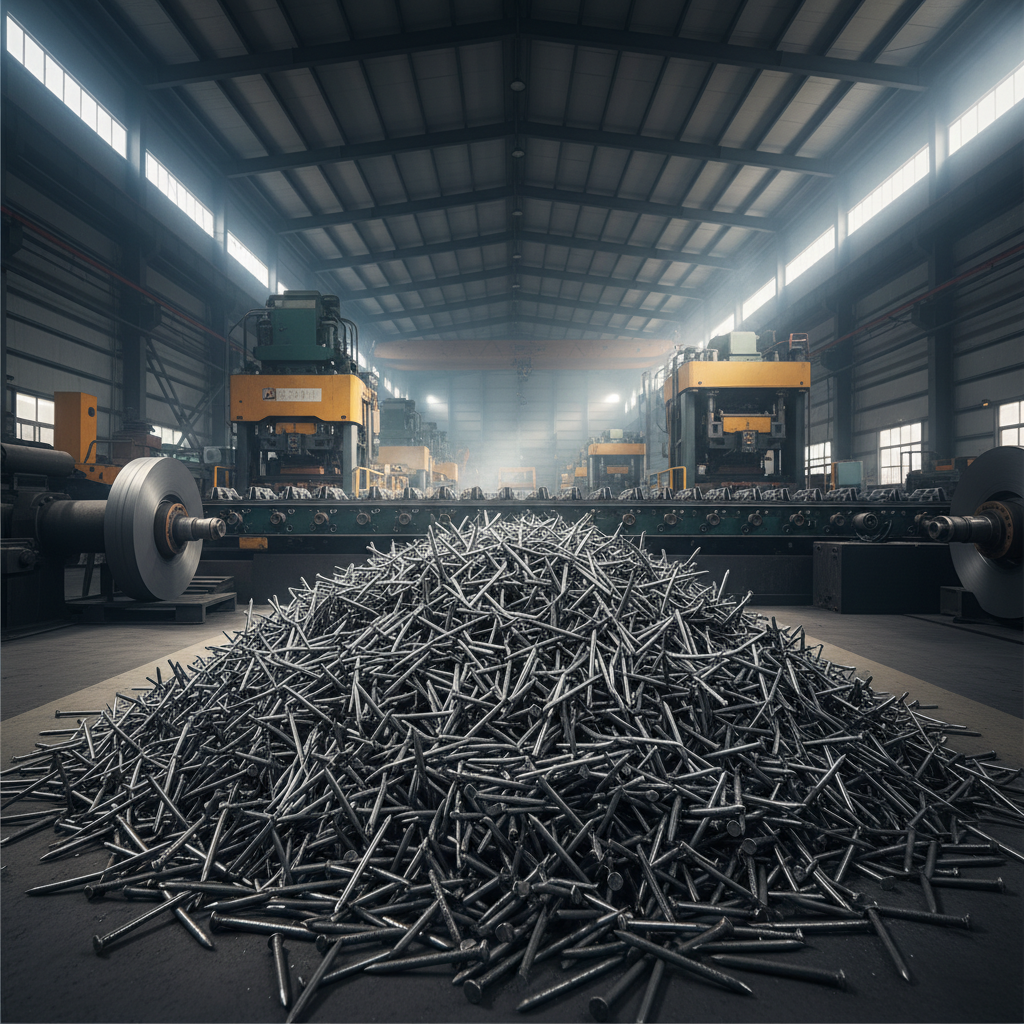 When undertaking any construction or woodworking project, selecting the right fastener is crucial. Among the most common and versatile options are D10 and D16 common nails. These nails serve as fundamental building blocks in numerous applications, from framing and sheathing to general repairs. This article will delve into the characteristics, uses, and differences between D10 and D16 common nails, providing valuable insights for professionals and DIY enthusiasts alike. Ensuring you use the correct nail size and type can significantly impact the structural integrity and longevity of your project. Common nails are defined by their thick shank, broad head, and diamond point. This design offers excellent holding power, making them ideal for general construction purposes. They’re typically made of steel, and can be galvanized for corrosion resistance. The “D” designation in D10 and D16 refers to the nail's diameter, expressed in hundredths of an inch. These nails are often used in framing, sheathing, fencing, and other structural applications where strong, reliable connections are needed. Their simplicity and affordability make them a staple in most toolboxes. The primary difference between D10 and D16 common nails lies in their diameter and, consequently, their holding power.Lue lisää
 -
 When it comes to woodworking, upholstery, and crafts, selecting the right fastener is crucial for achieving a professional and secure finish. Common nail panel pins are a versatile choice, offering a discreet yet robust solution for a variety of applications. This article will explore the characteristics, uses, advantages, and considerations for choosing the right panel pins for your project. We’ll delve into the specifics, helping you understand why Fivestar-Metals is a trusted supplier for high-quality panel pins. Common nail panel pins are small, slender nails with a very small head, often almost flush with the surface. This minimal head size is their defining characteristic, making them ideal for applications where you don't want the fastener to be visually prominent. They are typically made of steel wire, and their length ranges from approximately 1/2 inch to 1 1/2 inches. The thin shaft allows for easy insertion into softwoods and other pliable materials without causing splitting. They are commonly used in applications like holding picture frame molding, attaching thin wood panels, and securing fabric to wood frames.Lue lisää
 -
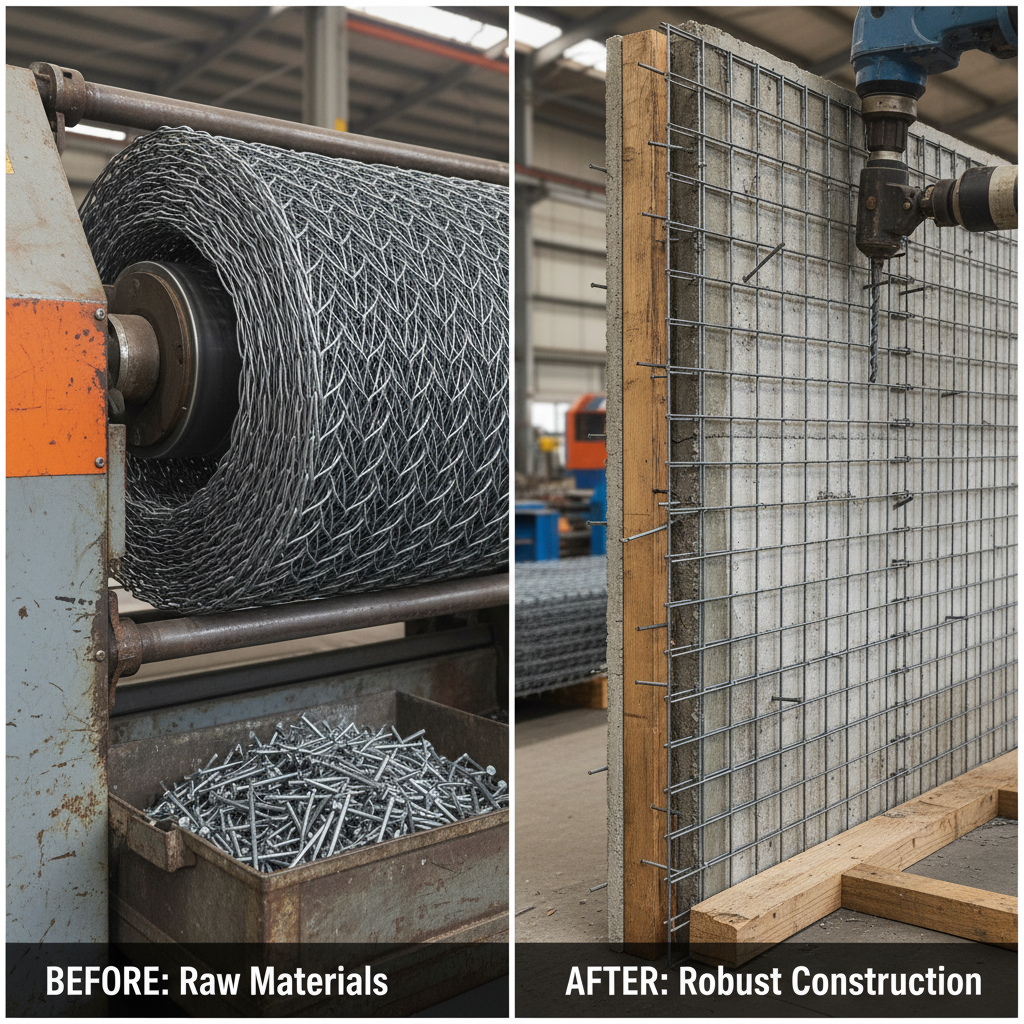 When undertaking construction or renovation projects, selecting the right building materials is crucial for ensuring structural integrity and longevity. Among the most fundamental of these is the common nail. While seemingly simple, common nails are essential fasteners used in a vast array of applications. This article will delve into the characteristics, types, uses, and considerations when choosing common nail building material, providing a thorough understanding for both professionals and DIY enthusiasts. Choosing the right nail can make all the difference in the success of your project. Common nails are cylindrical fasteners with a flat head and a pointed end. They are typically made from steel wire, and their simplicity and affordability have made them a staple in the construction industry for centuries. The term "common" refers to their widespread use in general construction, framing, and various other applications where strong and reliable fastening is needed. The strength of a nail depends on its gauge (diameter) and length, with thicker and longer nails offering greater holding power.Lue lisää
 -
 The common round iron nail, a seemingly simple fastener, plays a crucial role in countless construction, woodworking, and general repair applications. Often underestimated, its versatility and affordability make it a staple in toolboxes worldwide. This article dives into the characteristics, uses, different types, and purchasing considerations for these essential fasteners, offering insights for both professionals and DIY enthusiasts. Choosing the right nail can significantly impact the durability and quality of any project. Fivestar Metals offers a comprehensive range of iron nails to meet diverse needs. A common round iron nail, as the name suggests, features a cylindrical shaft and a rounded head. Manufactured from iron, they are known for their robustness and ability to withstand considerable force. Unlike some other nail types, they aren’t coated, resulting in a characteristic dark, slightly rusted appearance over time. This lack of coating can be advantageous in certain applications, such as temporary structures where corrosion is desired for eventual disassembly. However, it also means they're more susceptible to rust in consistently damp environments.Lue lisää
 -
 16d common nails are a staple in construction and woodworking, renowned for their versatility and holding power. These nails, identified by the “d” which indicates penny size (a historical measurement), offer a robust fastening solution for a wide array of projects. From framing to general carpentry, understanding the characteristics of 16d common nails is crucial for achieving strong, durable results. We'll delve into their specifications, applications, and provide guidance on choosing the right nails for your needs, all with a focus on quality and performance. The term "16d" refers to the penny size of the nail, which historically correlated to the cost of 16 nails per pound. Today, it's a standard unit of measurement. A 16d common nail is approximately 3 ½ inches (89mm) long and has a shank diameter of 0.120 inches (3.05mm).Lue lisää
 -
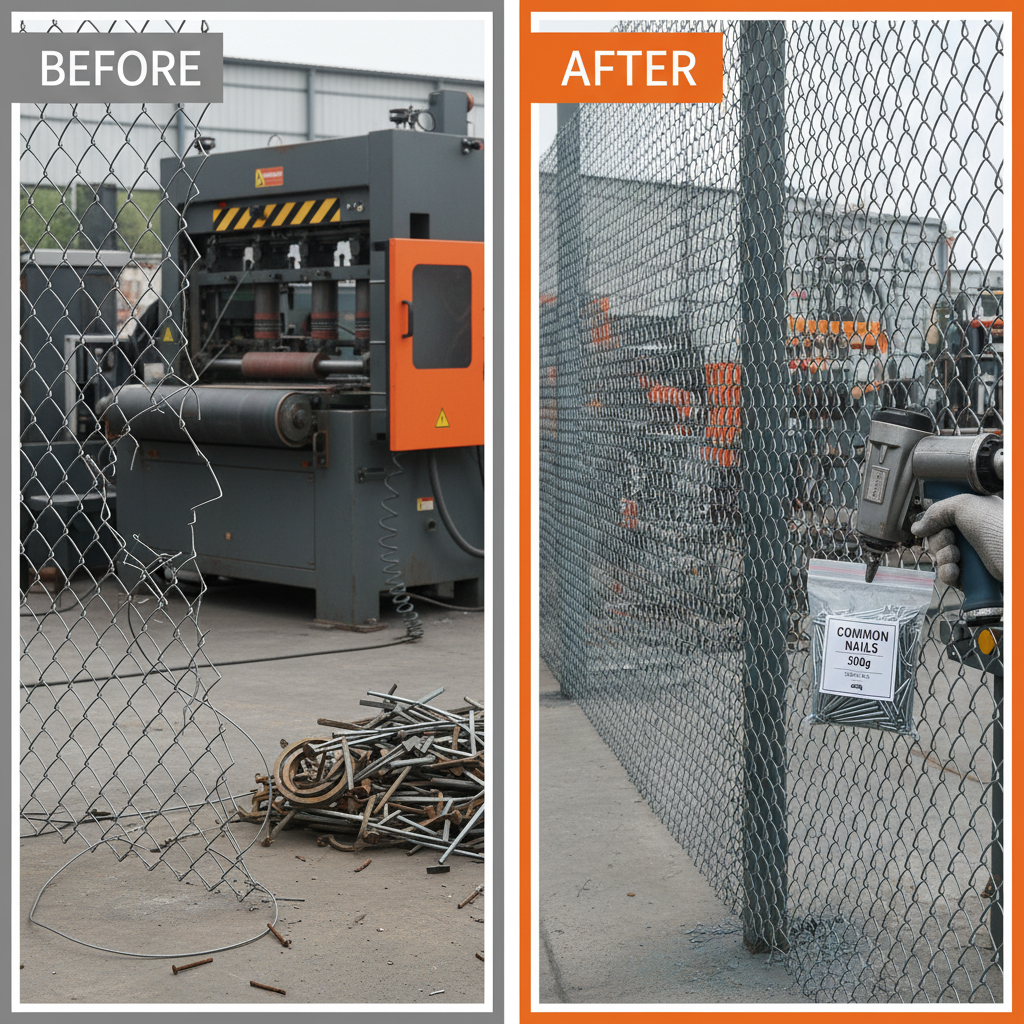 When undertaking any construction, woodworking, or general repair project, having the right fasteners is essential. Among the most fundamental of these are common nails 500g. These versatile nails are the workhorse of many trades, offering a reliable and cost-effective fastening solution. This article will explore the features, applications, and considerations when selecting common nails, helping you choose the right product for your needs. We'll delve into the specifics that make these nails an indispensable tool for professionals and DIY enthusiasts alike. Common nails are characterized by their thick shank, wide head, and simple, unpolished finish. They are typically made of steel and are designed for general-purpose fastening in softwood construction. Their robust construction provides excellent holding power, making them ideal for framing, sheathing, and other structural applications. Choosing common nails offers a balance of strength, affordability, and ease of use, making them a favorite among builders and handymen.Lue lisää
 -
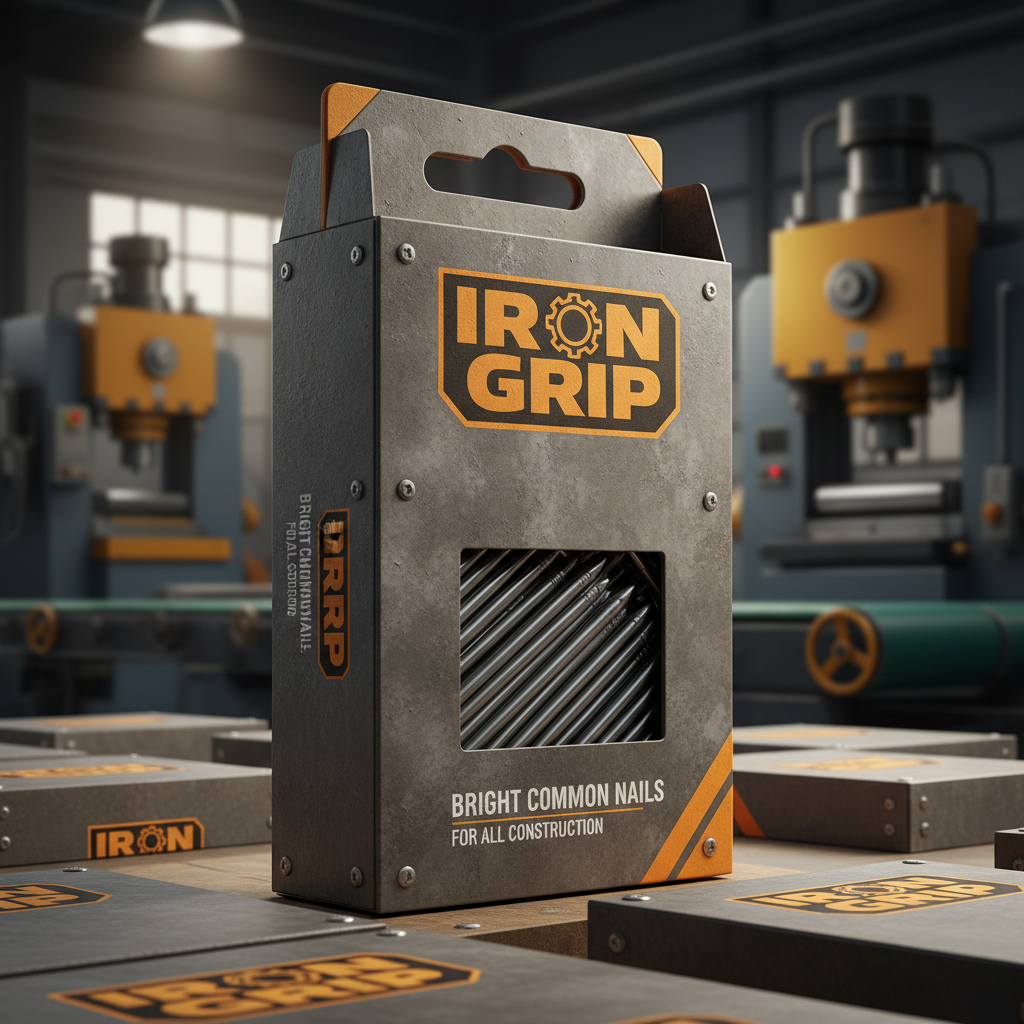 Bright common nails are a staple in many construction, woodworking, and general repair projects. Their versatility and affordability make them a popular choice for a wide range of applications. This article delves into the characteristics, uses, benefits, and considerations when choosing bright common nails, providing valuable insights for both professionals and DIY enthusiasts. Understanding the nuances of these nails can ensure you select the right product for your specific needs, resulting in stronger, more durable constructions. Bright common nails are a type of nail characterized by their smooth, polished finish and typically a bright, silver appearance. They are made from low to medium carbon steel, offering a good balance between strength and workability. The term "common" refers to their general-purpose nature, meaning they can be used in numerous applications. These nails have a relatively thick shank and a flat, broad head, making them suitable for hammering directly into wood. They are often coated with a finish to resist rust, although this coating is generally lighter than that found on galvanized nails.Lue lisää
 -
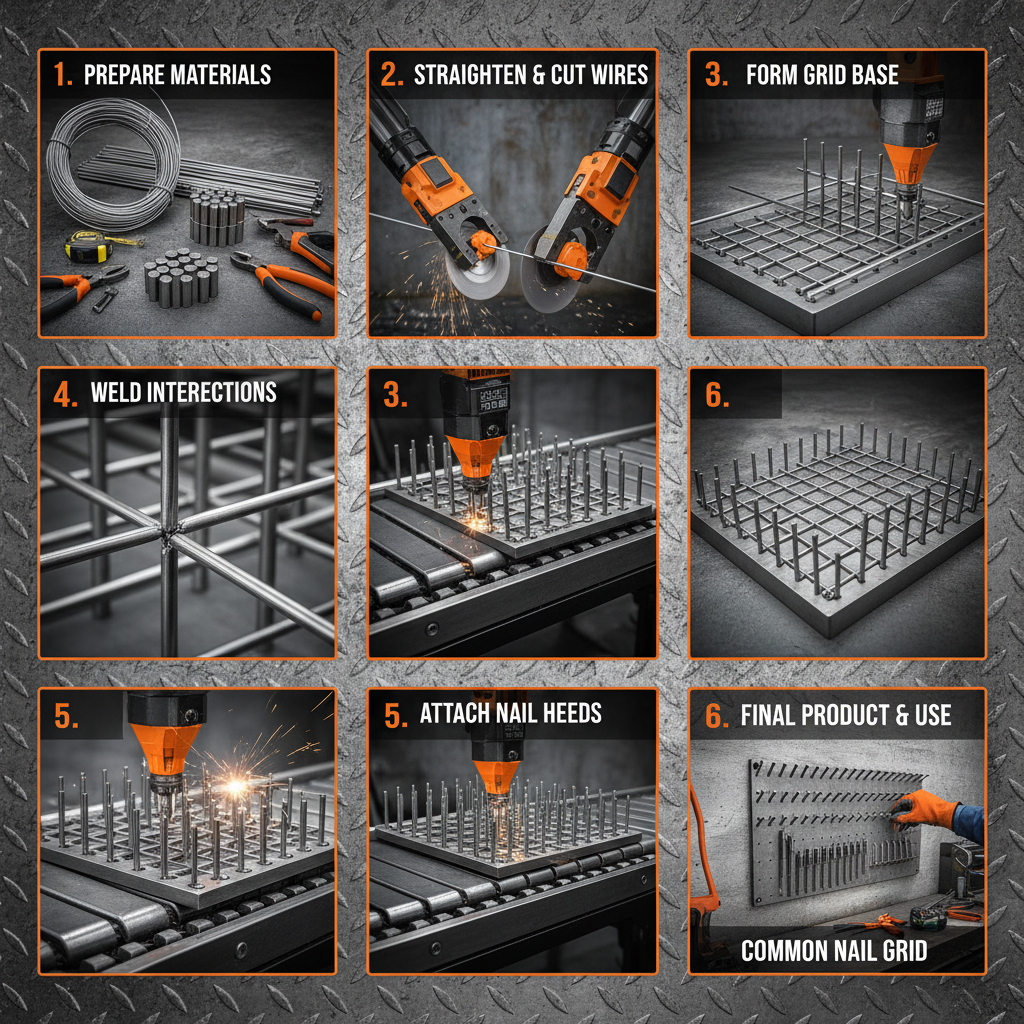 In the world of construction, woodworking, and general fastening, the efficiency and accuracy of nail placement are crucial. The common nail grid offers a systematic solution for achieving precisely spaced nail patterns. This article will delve into what a common nail grid is, its applications, benefits, and how it contributes to a more streamlined fastening process. We will explore the various types available and how to choose the right grid for your specific needs. Choosing the right nail grid can significantly improve the quality and speed of your projects. A common nail grid is essentially a pre-defined pattern or spacing guide used to determine where nails should be placed when joining two or more pieces of material, typically wood. These grids are based on standard building codes and best practices to ensure structural integrity and consistent results. They ensure even distribution of fastening forces, minimizing the risk of splitting or warping. They can be physical tools or visual references. Using a consistent common nail grid promotes uniformity and professionalism in your work.Lue lisää
 -
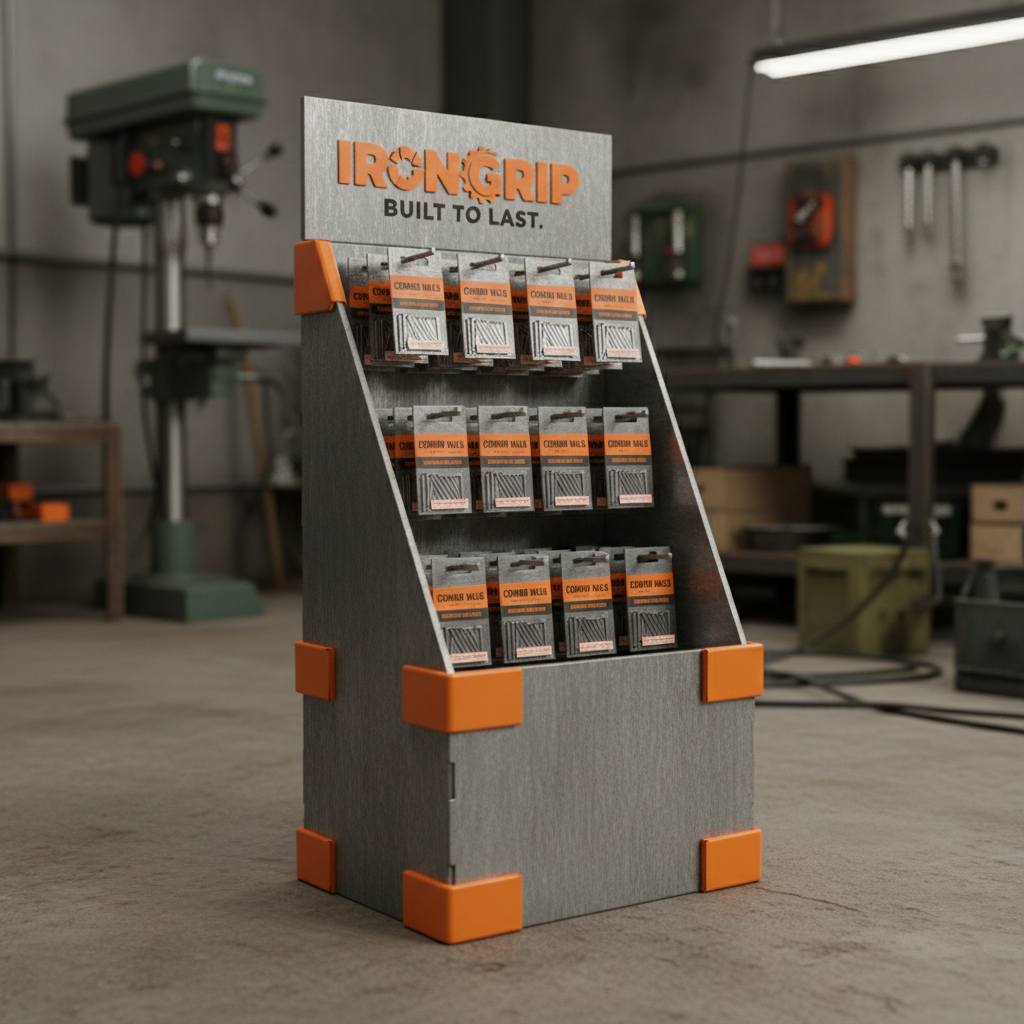 In the world of hardware and construction supplies, effective product presentation is crucial, especially when navigating international markets. A well-planned common nail display can significantly impact sales and brand recognition. This article explores the importance of nail displays, key considerations for international trade, best practices, and how Fivestar Metals can assist you in creating compelling displays for a global audience. Effective display solutions aren't just about aesthetics; they’re about maximizing visibility and driving customer engagement. A well-designed nail display serves several critical functions. First, it showcases the variety of nail types – common nails, finishing nails, roofing nails, etc. – allowing customers to quickly identify what they need. Second, it provides information about nail sizes, materials (steel, stainless steel, galvanized), and applications. Third, and perhaps most importantly, an attractive display draws attention and encourages impulse purchases. For businesses involved in international trade, the display often serves as the first physical interaction a potential buyer has with your product.Lue lisää
 -
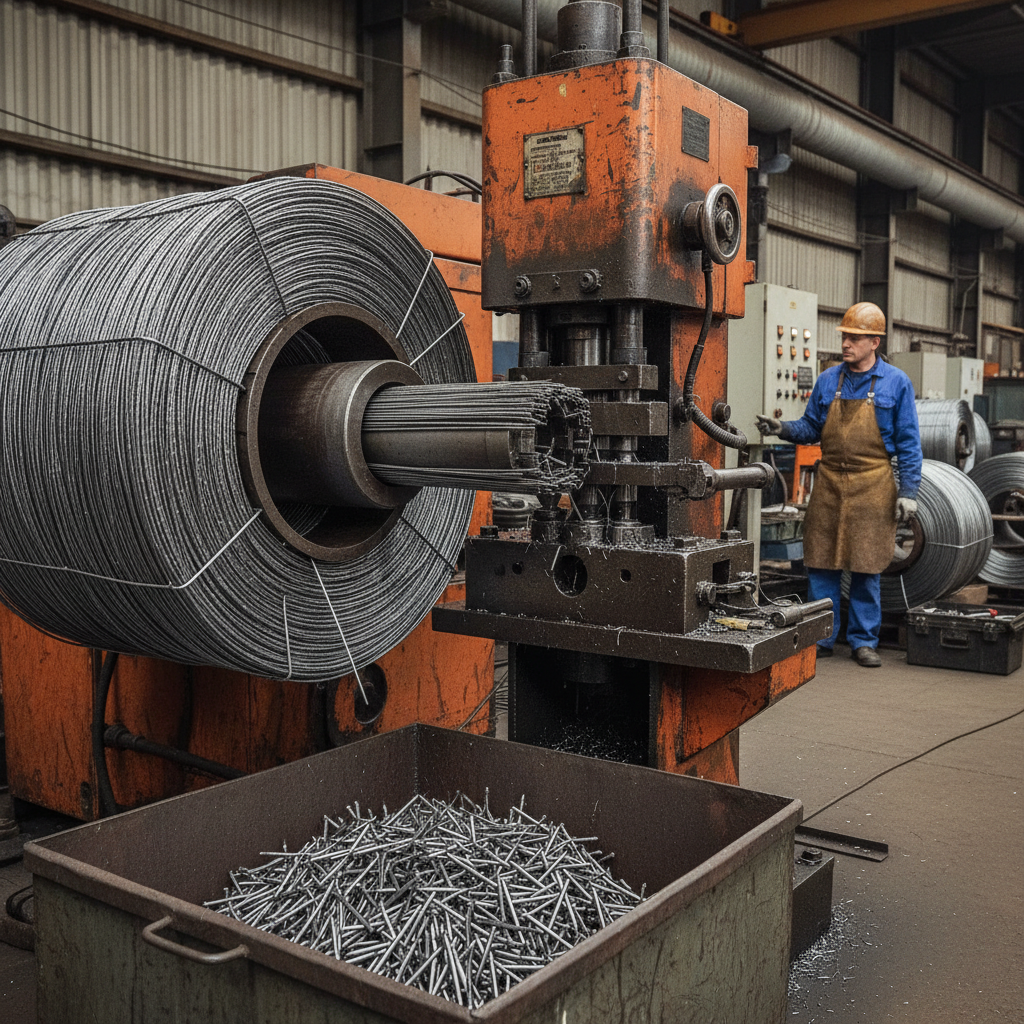 The headless common nail is a remarkably adaptable fastener used across diverse industries, from woodworking and construction to upholstery and DIY projects. Its design—a nail without a head—offers distinct advantages, primarily preventing snagging and providing a cleaner, more concealed finish. This article will explore the features, applications, benefits, and considerations for using headless common nails, providing a comprehensive guide for both professionals and hobbyists. Choosing the right nail type significantly impacts project quality and efficiency. Headless common nails, also known as blind nails or cut nails, are manufactured without a distinct head. Instead, the nail is cut to length after being formed, resulting in a pointed end suitable for driving into materials. This unique characteristic makes them ideal for applications where a visible head is undesirable or impractical. They are typically made from steel and are available in various gauges (thickness) and lengths to suit different project requirements.Lue lisää
 -
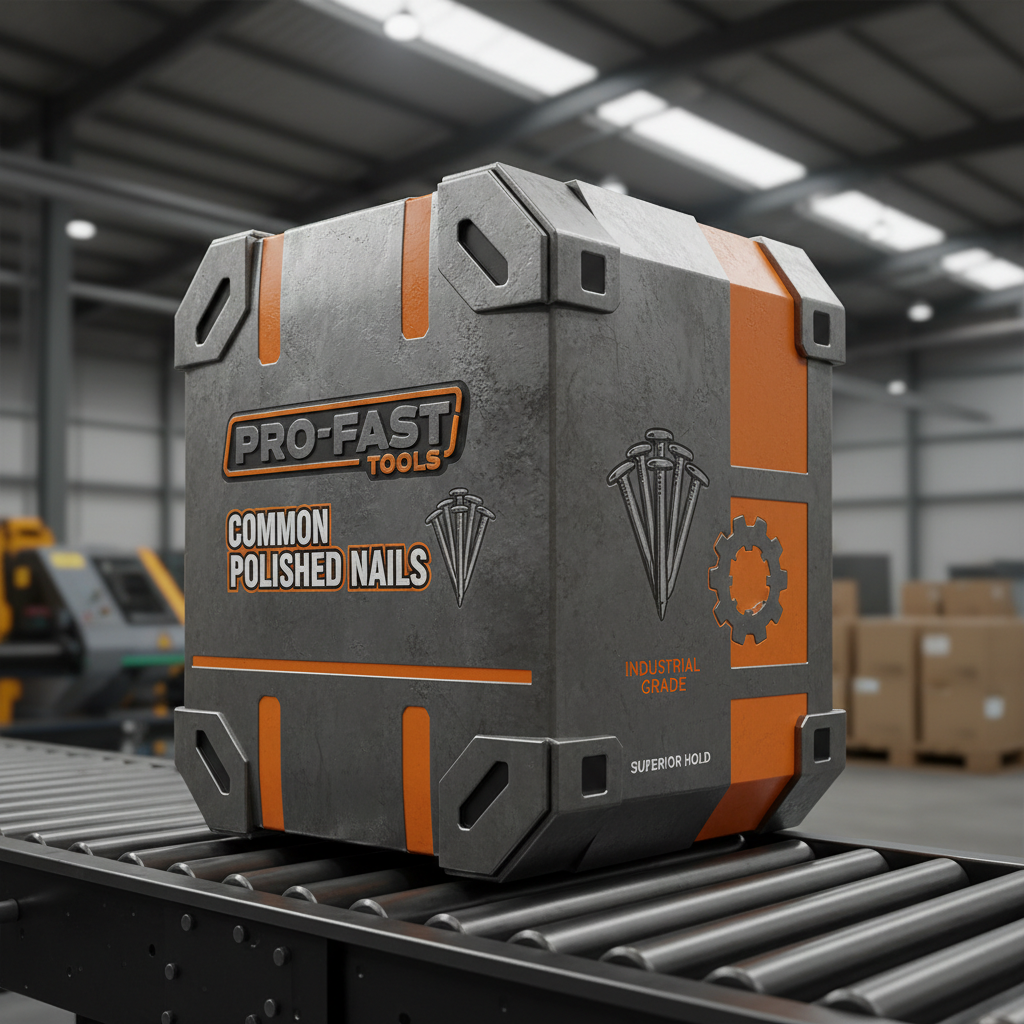 Polished nails are a staple in the metal finishing industry, used across a variety of applications from automotive components to household appliances. Selecting the right type of polished nail is crucial for ensuring optimal performance and longevity. This article dives deep into the world of common polished nails, exploring their different types, applications, and quality considerations. We'll help you understand how to choose the perfect nail for your project, maximizing efficiency and product quality. Common polished nails, unlike standard nails, undergo a finishing process to create a smooth, bright surface. This polishing removes imperfections and provides a visually appealing aesthetic. The polishing process generally involves a series of abrasive treatments, resulting in a nail with improved corrosion resistance and reduced friction. They're manufactured from various materials, including carbon steel, stainless steel, and aluminum, each offering different properties suited to specific applications.Lue lisää
 -
 When undertaking any construction, repair, or DIY project, choosing the right fastener is crucial. Screws and common nails are two of the most fundamental fasteners used across countless applications. While both serve to join materials, they differ significantly in their characteristics, applications, and installation methods. This article explores the differences between screws and common nails, their respective strengths and weaknesses, and provides guidance on selecting the appropriate fastener for your specific needs. Choosing the right fastener can improve project durability, efficiency, and overall quality. At their core, both screws and nails are designed to hold materials together. However, the way they achieve this differs considerably. Nails rely on friction to stay in place, while screws utilize threads to create a secure, twisting hold. This fundamental difference impacts their strength, holding power, and suitability for various projects.Lue lisää